The $42 Bootie That Exposes a Massive Flaw in How We Buy Baby Clothes
The Silent Failure of Cute Baby Clothes
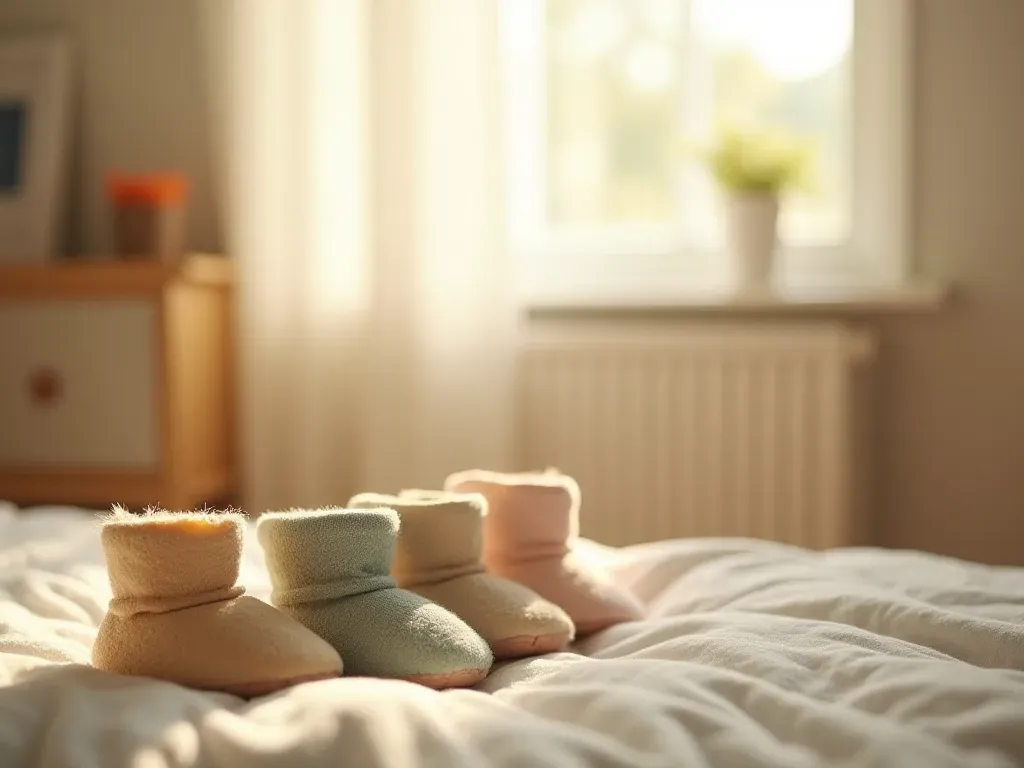
Look at the price tag. Forty-two dollars for a pair of booties. It feels like a premium purchase until you realize they cost less than half a month’s groceries. We buy these items because we love our children, but we often ignore what happens after that first wash cycle.
Here is the uncomfortable truth. Most cheap outfits shrink immediately. They lose shape after one trip to the park. The fabric feels rough against sensitive skin within days. We keep buying new clothes because the old ones simply do not last long enough.
Why Durability Matters More Than Trends
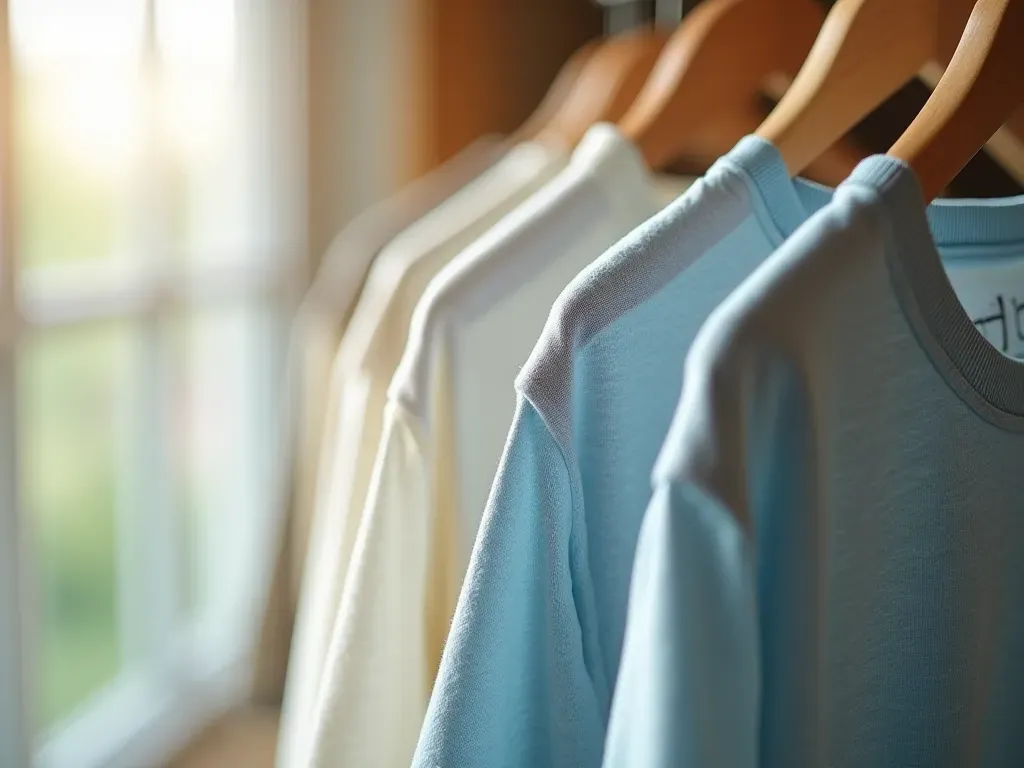
Trends fade fast. A dinosaur print is popular this month and forgotten next year. But a well-made garment survives multiple siblings and several years of wear. This shift in thinking changes how we evaluate every item on the shelf or online.
I used to fill my closet with flashy items. Now I look for reinforced seams and organic cotton. The goal is not just to dress a child in style but to ensure the clothing withstands daily chaos without falling apart or looking worn out.
This approach saves money in the long run. You buy less frequently but spend more per item. It also reduces waste, which matters if you care about environmental impact while raising a family on a tight budget.
Brands That Actually Deliver Quality Fabrics
Kite stands out for its organic cotton collections. The fabrics are soft enough for newborn skin yet sturdy enough to survive endless washes. Their playful prints do not fade after a few cycles, keeping the clothes looking fresh and vibrant.
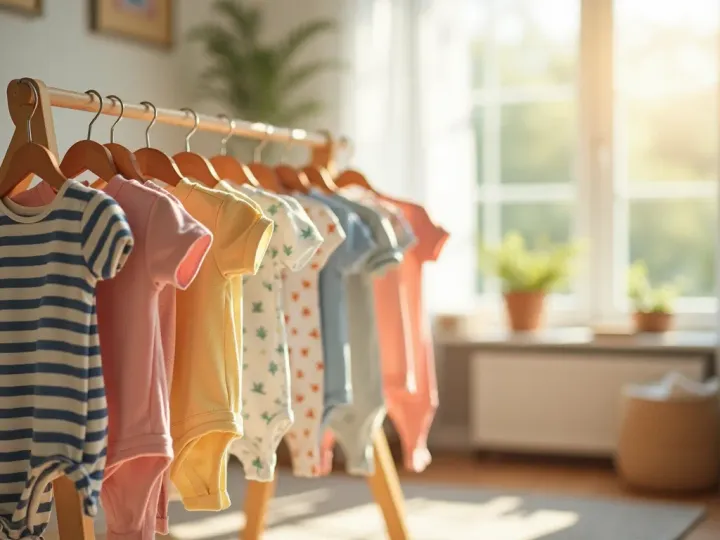
Polarn O. Pyret is another favorite for longevity. Their designs are built to be handed down between siblings. The stripes and basic cuts remain stylish years later, making them a smart investment for growing families who value practicality over novelty.

Luxury Options for Special Occasions
Binibamba offers sheepskin accessories that feel premium and warm. Their booties are a small splurge but worth it for the comfort they provide. The natural materials keep little feet cozy without overheating during cold weather outings.
Rachel Riley specializes in timeless occasion wear. Their smocked dresses and embroidered rompers are perfect for weddings or christenings. The traditional styling ensures the pieces remain elegant even as fashion trends shift rapidly around them.
The Real Cost of Cheap Fast Fashion
Cheap fast fashion seems like a bargain until you count the total spend. Buying ten cheap shirts that last one month costs more than buying two quality ones that last a year. This calculation changes how many parents approach their shopping habits.
There is also a hidden environmental cost. Fast fashion items end up in landfills quickly due to poor quality construction. Choosing durable brands reduces this waste and supports manufacturing practices that treat workers fairly while using safer materials.
If you are interested in understanding more about how marketing tricks influence our buying decisions, check out how fashion companies manipulate new parents. It offers a fascinating look at the psychology behind impulse purchases that often lead to regret and wasted money.
How to Choose Clothes That Last Longer
Check the fabric blend first. Look for high percentages of cotton or organic materials. Avoid polyester-heavy mixes that trap heat and feel sticky against skin. These fabrics often pill and tear quickly after repeated washing cycles.
Inspect the seams carefully. Double-stitched hems indicate better construction quality than single stitches that unravel easily. Zippers should feel smooth and sturdy rather than flimsy or prone to catching on fabric fibers during use.
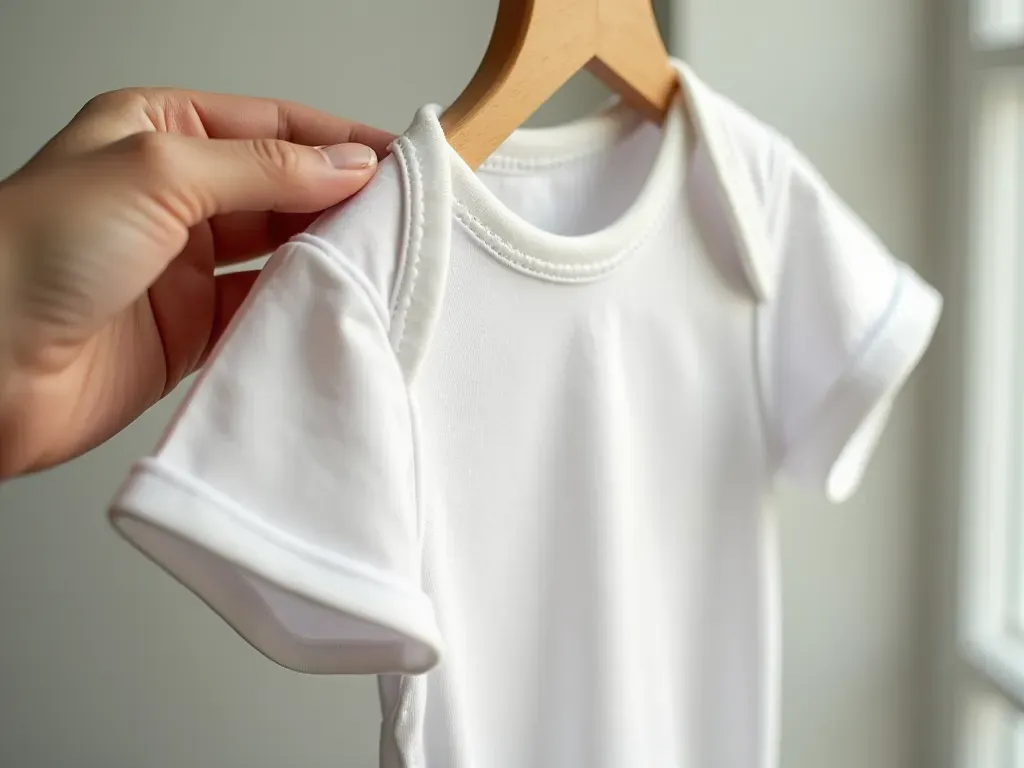
Consider adjustable features like expandable waistbands. These allow the garment to grow with your child for several months longer than fixed sizes. This small design detail adds significant value by extending the usable life of each piece.
What Modern Parents Are Doing Differently
Today’s parents prioritize comfort and function over pure aesthetics. They want clothes that move with their active children without restricting play or causing irritation. This shift reflects a deeper understanding of child development needs.
We are seeing more families choose capsule wardrobes. This means fewer high-quality pieces that mix and match easily rather than a large collection of mismatched items. It simplifies morning routines while ensuring every outfit looks intentional.
If you are curious about why so many parents end up with closets full of unwanted items, read this insightful piece on the shocking truth about baby closet overflow. It explains the psychological factors that drive overconsumption in children's apparel markets.
The Role of Community and Reviews
Online communities have changed how we shop. Parents share real-life experiences with specific brands and items. These honest reviews highlight durability issues that marketing teams might omit from product descriptions on their websites.
Reading these discussions helps avoid costly mistakes. You learn which zippers break first or which fabrics shrink unexpectedly. This collective knowledge saves individual parents time and money while improving overall satisfaction with purchases.
The Future of Sustainable Baby Fashion
Sustainability is no longer a niche concern. Major brands are investing in recycled materials and fair trade practices. This shift promises better products for consumers while reducing the environmental footprint of the entire industry significantly.
We can expect more transparency in manufacturing processes. Brands will disclose their supply chains and labor practices openly. This accountability drives competition toward higher ethical standards across the entire market sector.
For those interested in how cultural shifts influence fashion choices, explore the surprising power of baby fashion as a reflection of culture. It provides deep context on why our buying habits are changing now more than ever before.
Final Thoughts on Smart Shopping Habits
Buying smart means prioritizing quality over quantity. It takes patience to find the right brands but pays off in lasting value and reduced waste. Your child will thank you for comfortable clothes that keep up with their energy levels.
The next time you shop for your little one, look past the cute prints. Check the fabric feel and examine the stitching carefully. Make choices that respect both your budget and the planet while ensuring your child stays happy and comfortable.