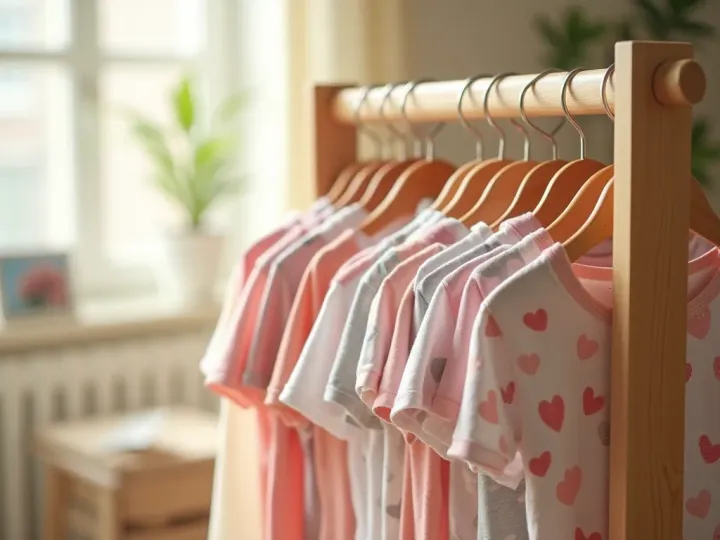
Your baby is voting on their wardrobe and most brands are completely ignoring it
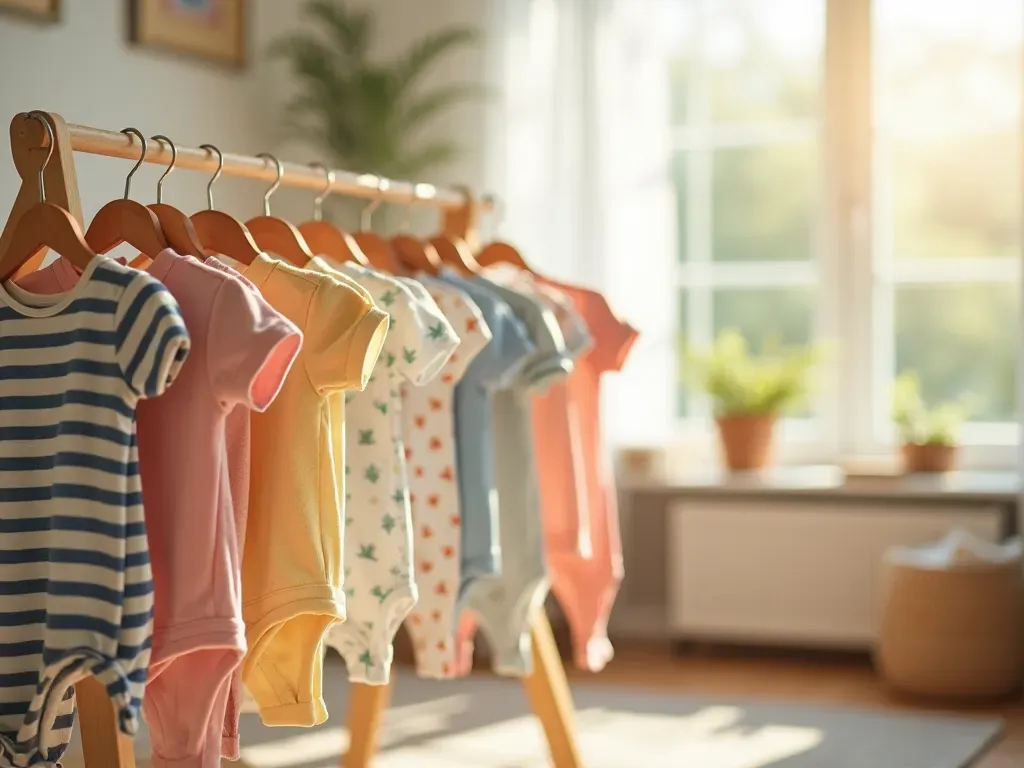
The size chart is lying to you about what your kid actually wants
I have watched parents buy entire wardrobes based on a single number. The size label says twelve months so they assume the fit is perfect. They are wrong every single time.
The real problem isn't the fabric or the price tag. It is that we treat children as static objects who just get bigger each year. A twelve-month-old in October has a completely different body than one in April.
Brands like **Bubz** and **Pokiddo Jr** know this. They stopped guessing what families need because they realized the customer is growing faster than their inventory can track.
Here's the thing nobody talks about in retail. The child is not just a passive recipient of clothing. They are an active participant who has opinions and they will reject what feels wrong to them.
Why a two-way zipper matters more than the brand logo on the back
Nilofer Rao from Bubz told me something that changed how I think about retail. She said parents are constantly changing what they need within just a few months.
A two-way zipper sounds like a minor detail. But for a parent changing a diaper at midnight it is the difference between success and failure.
These small design choices come from listening to real humans. They don't come from focus groups or trend reports. They come from a mother complaining about buttons that won't stay in place.
I think this is the most important part of the entire industry. The best features are often invisible until you need them exactly when your life is falling apart.
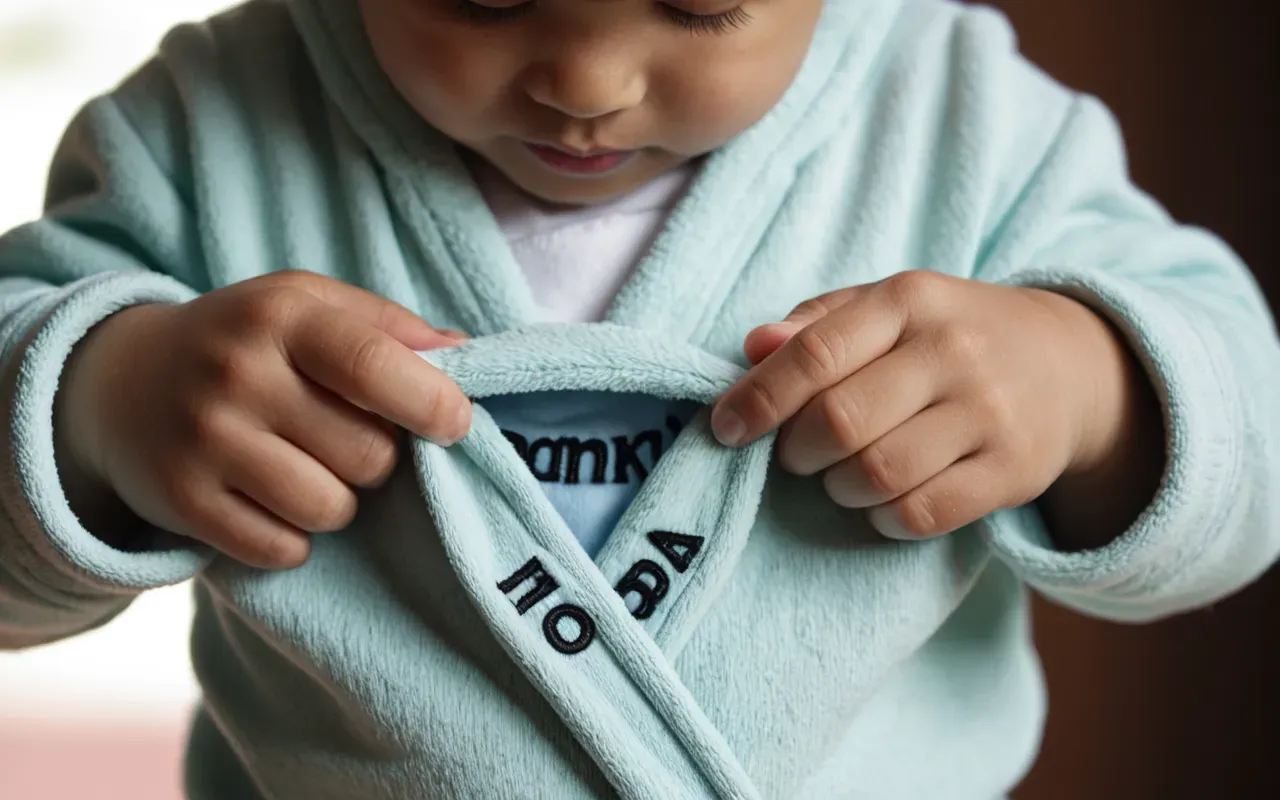
Your toddler has a secret vote and most stores can't see it coming
Kids start influencing purchases earlier than we expect. A parent might care about the price point and durability but a child cares about the color.
Bubz customers call their clothes softies. That is a powerful brand connection that no marketing team can manufacture in a lab.
If your child loves a specific print or character it creates an emotional bond with the product. That is what brings them back to the store.
Brands that ignore this are flying blind. They think they are selling to parents but the actual decision maker is often a three-year-old who just wants the dinosaur shirt.
The feedback loop that separates good brands from great ones
Grishma Ashwin Chavda from ZONE explained that staying relevant means listening to experiences not just sales data. Parents have different motivations at every single stage.
A brand that treats customers as a uniform audience is already losing. They need to understand why a parent bought the item last time versus now.
This requires continuous communication channels. Reviews and direct messages are not just complaints they are design briefs for the next collection.
I have seen companies ignore this feedback and then wonder why their repeat purchase rate is dropping. The answer is usually simple they stopped listening.
What this means for your next trip to buy baby clothes
Stop looking only at the size chart. Ask yourself if this piece solves a real problem in your daily routine or just looks good in a photo.
Check if the brand listens to its customers. Look for companies that mention feedback loops and user testing in their descriptions.
Remember your child has a voice too. Let them touch the fabric and pick their favorite color before you make the final decision.
If you are looking for more insights into how marketing tricks shape our choices check out how cute baby outfits can be a trap set by clever teams.
Also consider why cheap baby clothes might save your wallet despite lasting less time. It is a counterintuitive point.
The hidden cost of ignoring your child's preferences in fashion choices
When kids reject clothes they are not being difficult. They are telling you the product failed them.
This rejection is data. It tells you what to avoid next time and helps the brand improve its design process.
How to spot brands that actually value family input over sales targets
Look for specific mentions of user testing in their product descriptions. Generic terms like quality are easy to fake but real feedback loops require proof.
Companies that share their design process with customers are usually the ones listening to them.
The future of family retail is built on conversation not just catalogues
We are moving away from one-size-fits-all solutions. The future brands will be adaptive and responsive to each family's unique rhythm.
This shift benefits everyone. Parents get better products and kids get clothes they actually want to wear.
I believe this is the most exciting time in baby fashion. The power has shifted from manufacturers to families.