Why that cute baby outfit is a trap set by marketing teams
The Cute Outfit Trap That Costs You Money
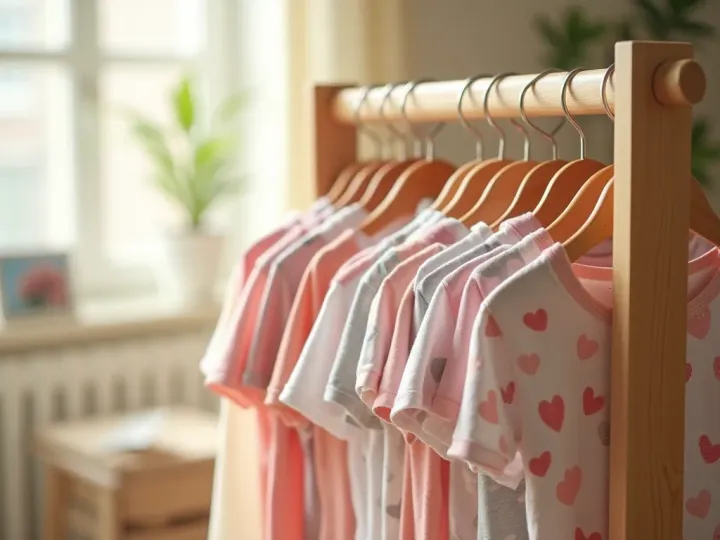
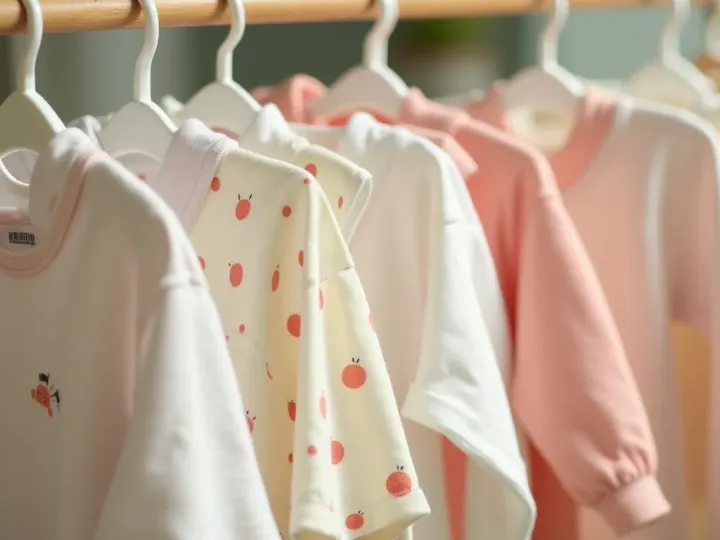
You walk into the store, or you open a website. There it is: a tiny dress with ruffles. In the photo, it looks perfect. But here's what nobody tells you about those pretty little clothes.
I've watched hundreds of parents fall for this. They buy the ruffles and the bows because they look adorable online. Then they get home and try to put it on their baby. It doesn't fit well.
The fabric feels scratchy against delicate skin. The buttons are hard to fasten with one hand. Your baby screams and thrashes around. You end up putting the plain cotton onesie back on.
So why do we keep doing this? The answer is simple. Marketing teams know exactly what triggers a purchase in our brains. They sell the idea of perfect moments.
They don't sell clothes for real life. They sell a fantasy version of parenting where everything is smooth and beautiful. That fantasy costs you extra money every month.
Why Visual Cuteness Hides Practical Problems
Think about the last outfit you bought your child. Did it have lots of layers? Maybe bows, or little sleeves that stick out. Those details look great in a studio shot.
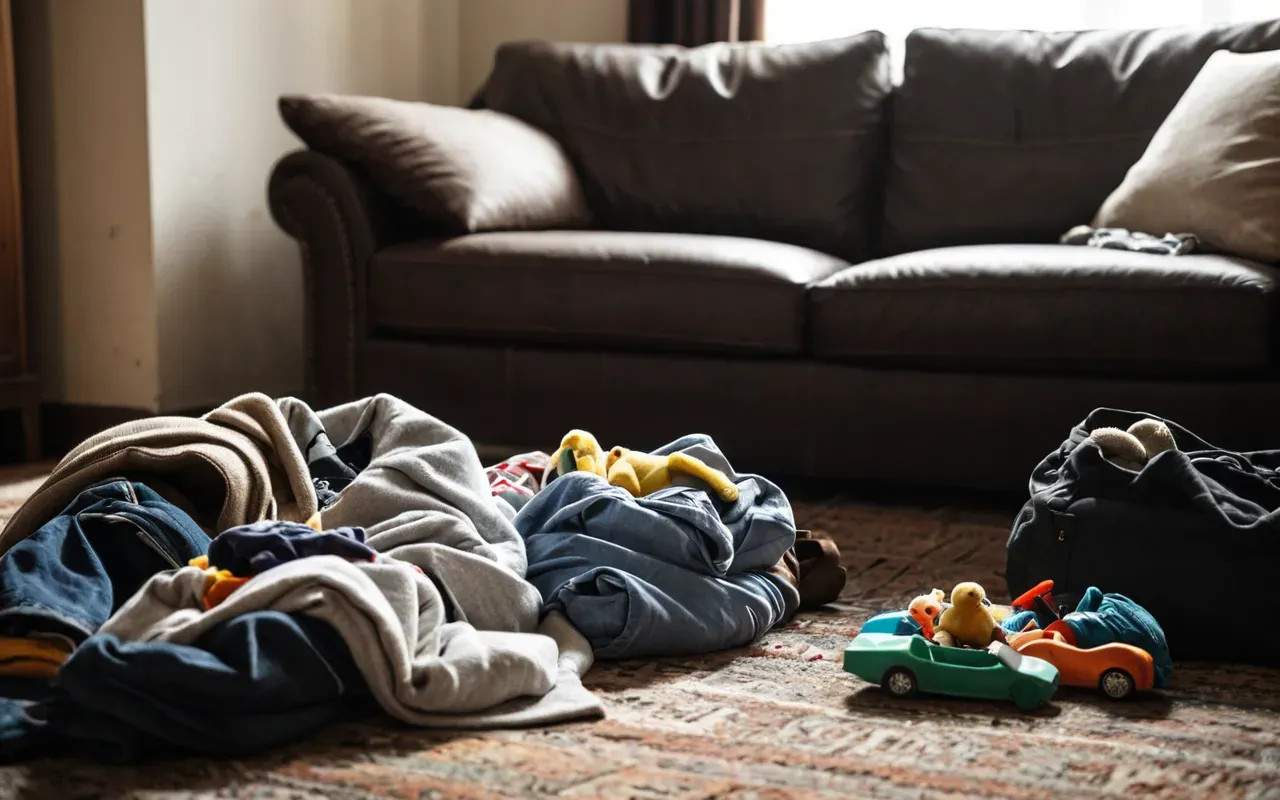
But real babies don't sit still for photos. They roll on the floor. They throw food. They rub their faces against everything they touch. That decorative sleeve becomes a mess magnet in minutes.
I remember trying to dress my nephew for a family dinner. He wore this fancy little suit with tiny cuffs. Within ten minutes he'd chewed the buttons and scratched his own face.
We keep seeing these designs in ads. Brands use them to show off their creativity. But creativity is not the same thing as usability for a moving human body.
Look closely at the most popular baby brands online and you'll see the same pattern. Visual impact comes first. Functional comfort comes second.
This isn't just a minor annoyance. It creates stress for parents who are already exhausted and sleep deprived.
The Hidden Cost of Overthinking Style
You spend twenty minutes picking the right outfit. You worry about matching colors and patterns. Then you realize your baby is crying because they're uncomfortable.
That twenty minutes could have gone to resting or eating. Instead you lost it to the pressure of looking put together.
We keep buying into this idea that our child's looks must reflect our taste. But babies do not care about fashion trends.
What Real Parents Actually Need in a Wardrobe
Let's talk about what actually works. I've asked dozens of parents to list their favorite items from the first year.
The answer was almost always the same. Simple onesies and soft pants that are easy to change.
One parent told me she threw out all her fancy dresses after the first month. They were taking up space and causing stress, she said.
Another mom shared that she only bought three outfits for special occasions. Everything else was basic and comfortable.
Which makes perfect sense once you look at the daily routine. Diaper changes happen every few hours.
Complex outfits make that process slower and harder for everyone involved in the care routine.
Finding Balance Between Fun and Function
Does this mean you should stop buying cute things entirely? Not at all. But the ratio needs to be different.
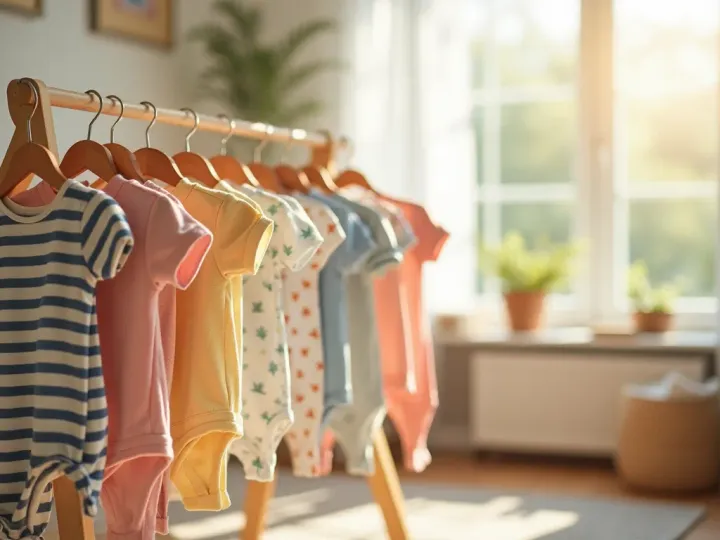
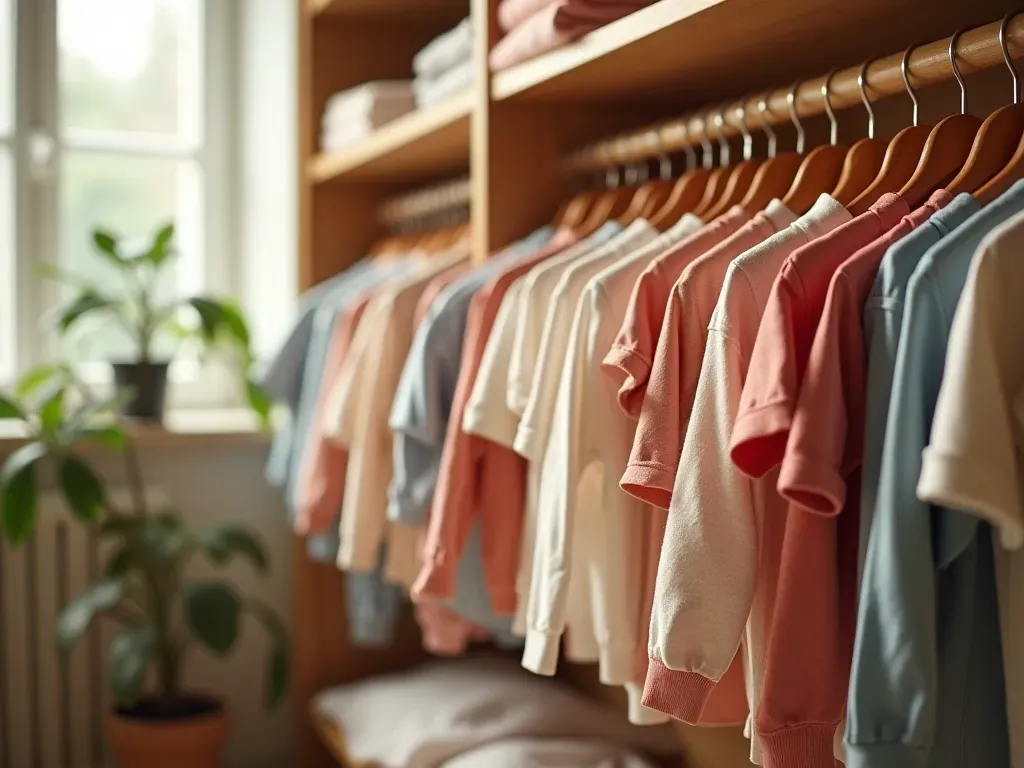
My suggestion: keep ninety percent of your closet full of basics. Save the ten percent for special moments and photos.
This way you always have something ready that works well. And you still get to enjoy the stylish pieces, minus the stress.
If you've been struggling with this balance before, there is a lot of discussion about sneaky marketing tricks behind cute baby outfits that influence our choices.
Understanding these tactics helps you make better decisions when shopping for your little one.
The True Value of Comfortable Baby Clothes
When a baby is comfortable they sleep better. They cry less and interact more happily with their caregivers.
Scratchy fabrics or tight seams cause irritation and discomfort throughout the day.
I've seen parents spend hundreds of dollars on brands they think are premium. But the actual feel of the fabric was poor.
Sometimes a cheaper item feels much better against skin. That's the hidden flaw in how we judge quality.
Look at recent discussions about the hidden flaw in how we buy baby clothes that even pets seem to understand.
It's a funny observation, but it points to something real about our priorities.
How to Spot a Good Outfit in Seconds
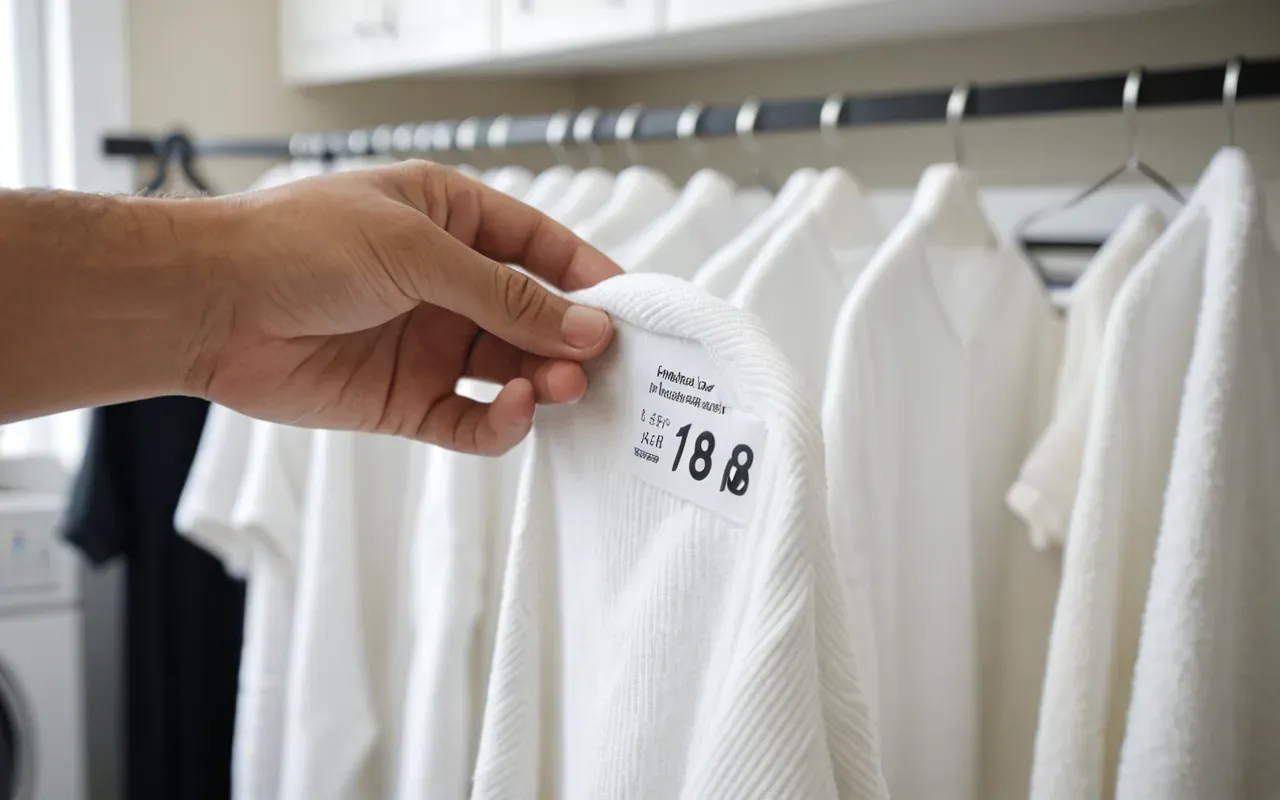
Next time you hold an item up to the light, check three things. First, feel the inside tags and seams.
If they're rough or raised, don't buy it. Second, check the stretch of the fabric.
Good baby clothes should stretch easily and snap back into shape without losing their form.
Third, look at the closure method. Zippers and snaps beat buttons for daily wear.
These three checks take less than thirty seconds. They save you from future frustration and regret.
You'll wonder why nobody taught you this before you started shopping for your first child.
The Smart Way to Build a Lasting Wardrobe
Babies grow incredibly fast. A size that fits today may be too small in three weeks.
Buying large quantities of one size is a common mistake. It leads to wasted money and cluttered closets.
Instead, buy smaller batches as needed. This keeps your spending aligned with actual usage patterns.
Many parents find this approach much less stressful and more affordable in the long run.
You also avoid having a mountain of clothes that your baby never wears because they outgrew them too quickly.
For more insights on this topic check out the shocking truth about why your baby closet is overflowing with unused items.
It really changes how you think about what you need versus what you want.