The laundry routine that actually keeps your toddler wardrobe from falling apart
The hidden cost of your current wash habits
Most parents think they're being careful. Mild detergent. Gentle cycles. And the clothes still pill within a month.
The problem isn't the fabric. It's what happens when heat, agitation, and chemical residue team up. That trio breaks down fibers faster than you'd believe.
I've watched dozens of parents toss perfectly good outfits. They figured the material was cheap. Truth is, their washing method was doing the damage.
Why tiny garments suffer more than adult clothes
A pair of toddler socks has less structural integrity than a pair of adult jeans. Smaller stitches. Finer yarn.
So when you throw them into a full drum of adult clothing, they get crushed. Friction against the heavier stuff creates micro-tears that grow over time.
That's why socks vanish. They aren't lost. They're shredded into dust by the mechanical action of a standard wash cycle.
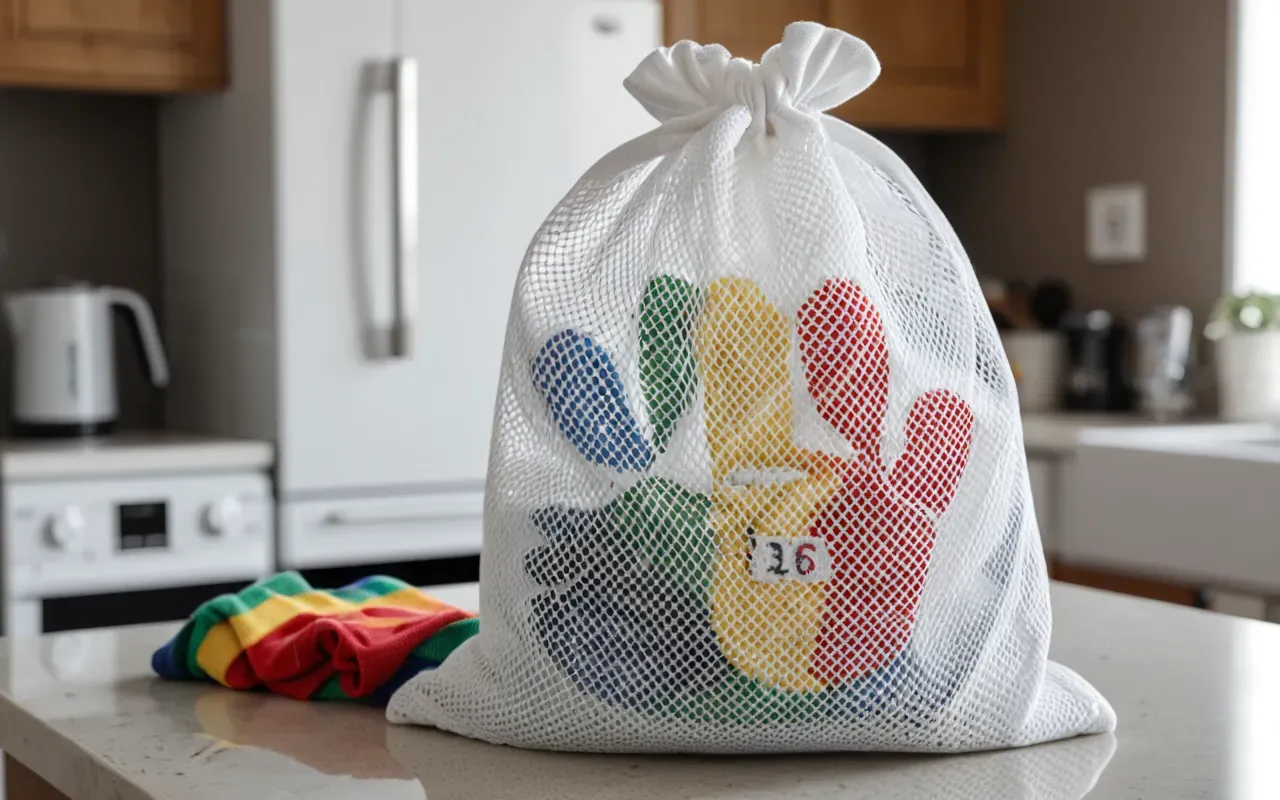
Sorting is the most neglected step in infant care
You probably sort by color. Standard advice, and fine for adults. But it misses the factor that matters most: fabric type.
Cotton and polyester react differently to water temperature. Cotton shrinks when hot. Polyester melts or warps under high heat.
Mix those fabrics in one load and the dryer will ruin them. The cotton shrinks while the polyester stays loose. Fit destroyed.
The two-basket method that saves your wardrobe
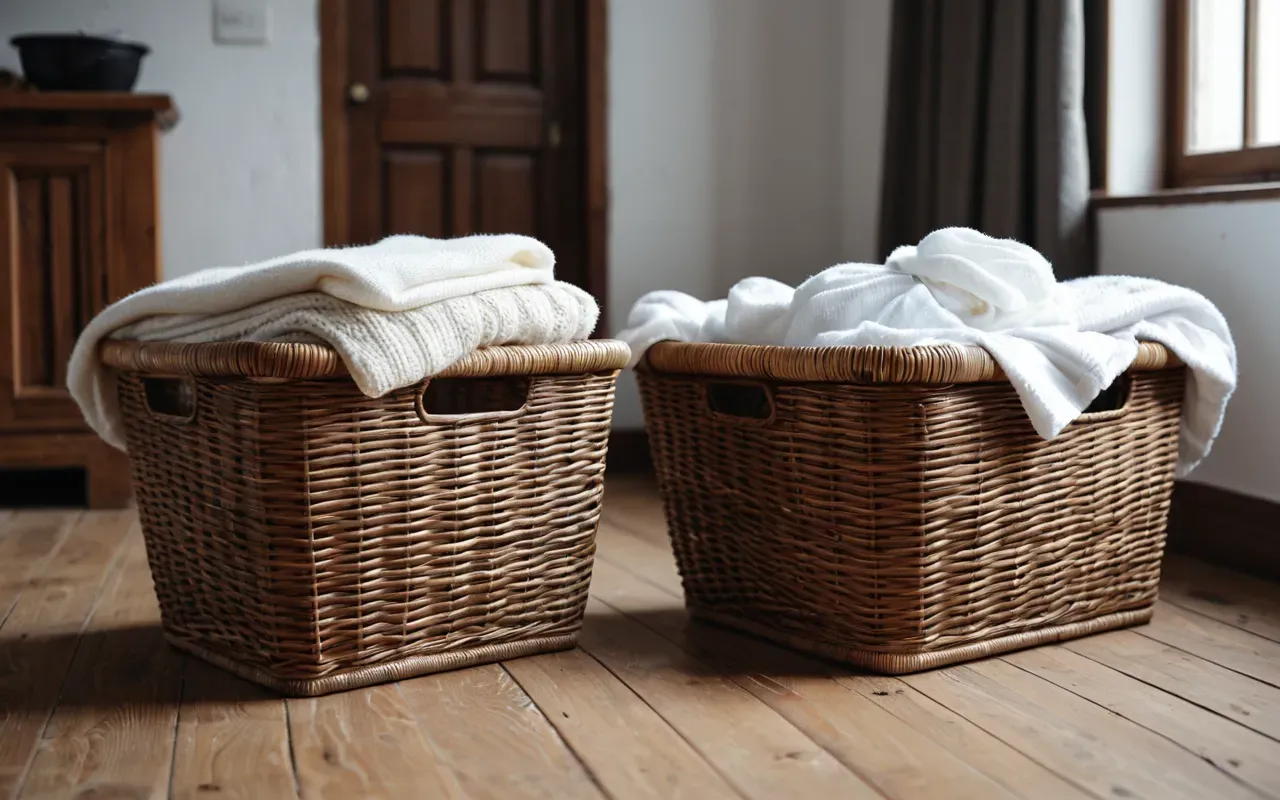
Keep one basket for durable cottons. Keep another for delicate knits and synthetic blends. Never mix them in the machine.
Thirty seconds to set up. But it prevents the majority of shrinkage and pilling I see in homes.
If you are struggling with items that refuse to last, check out why your baby clothes might be dying after a single wash.
Detergent dosage is a safety and quality issue
Most people pour too much detergent. More suds must mean cleaner clothes, right? Dangerous misconception.
Excess soap leaves a sticky residue on fibers. That attracts dirt faster the next time you wear the item.
For infants with sensitive skin, this residue causes rashes. It also weakens the fabric structure over repeated washes.
How to measure correctly for small loads
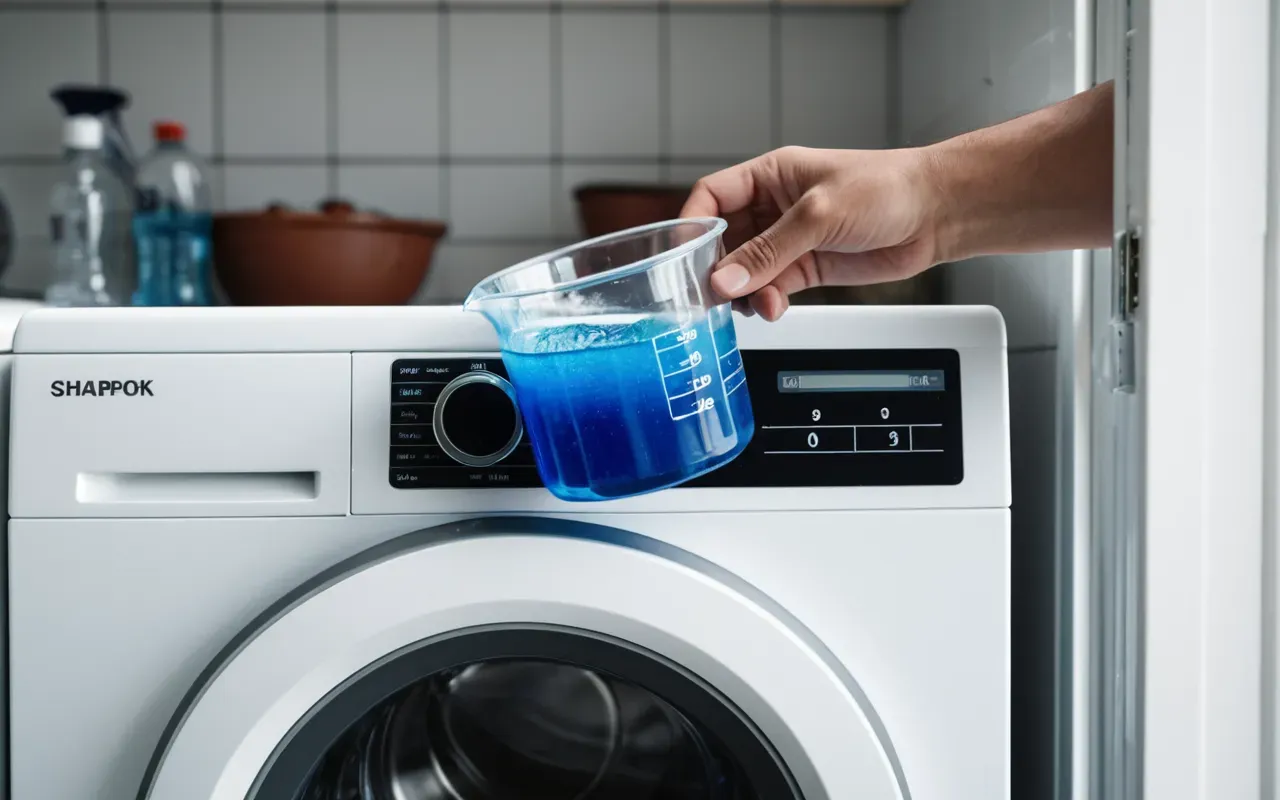
Use the cap provided by the manufacturer. Don't guess. A small load of baby clothes needs significantly less product than a full drum.
If your washer is high efficiency, use only HE-rated products. Regular detergents create too many suds and damage the machine pump.
This saves money. It also protects your appliances from costly mechanical failures caused by excess foam.
Stain treatment that does not damage delicate fibers
Parents often scrub stains aggressively. That frays the fabric and spreads the mess into deeper layers of the weave.
Instead, blot fresh spills with a clean cloth. Let the liquid lift away from the fabric rather than pushing it in.
The danger of pre-treatment products on synthetic blends
Some enzymatic cleaners break down protein-based stains. They work well on milk and blood but can degrade wool or silk.
Always check the label. If it says hand wash only, do not use machine-safe stain removers on those specific items.
I've seen beautiful knit sweaters dissolve because a parent used an aggressive enzyme spray without checking the tag.
Drying methods that extend garment life significantly
The dryer is the biggest enemy of soft fabrics. Heat breaks down elastic fibers and causes shrinkage.
Air drying is slower but preserves the shape and softness of the material. It also reduces energy costs.
How to reshape garments while they dry
Lay knits flat on a rack. Don't hang them by the shoulders — that stretches the neckline out of shape.
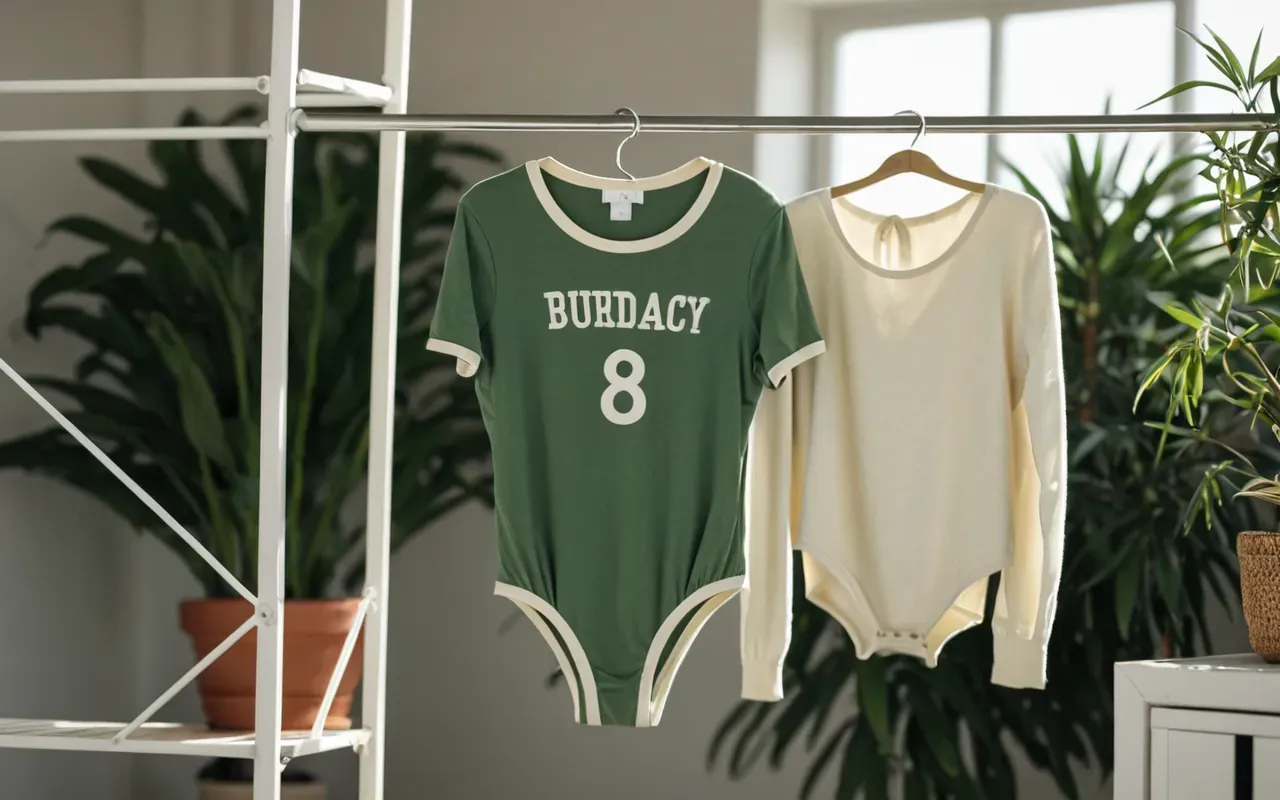
For bodysuits and onesies, hang them by the waistband if possible. This keeps the legs from elongating under their own weight.
These small adjustments ensure your toddler clothes fit perfectly for months instead of weeks.
Putting away clean laundry without creating a mess
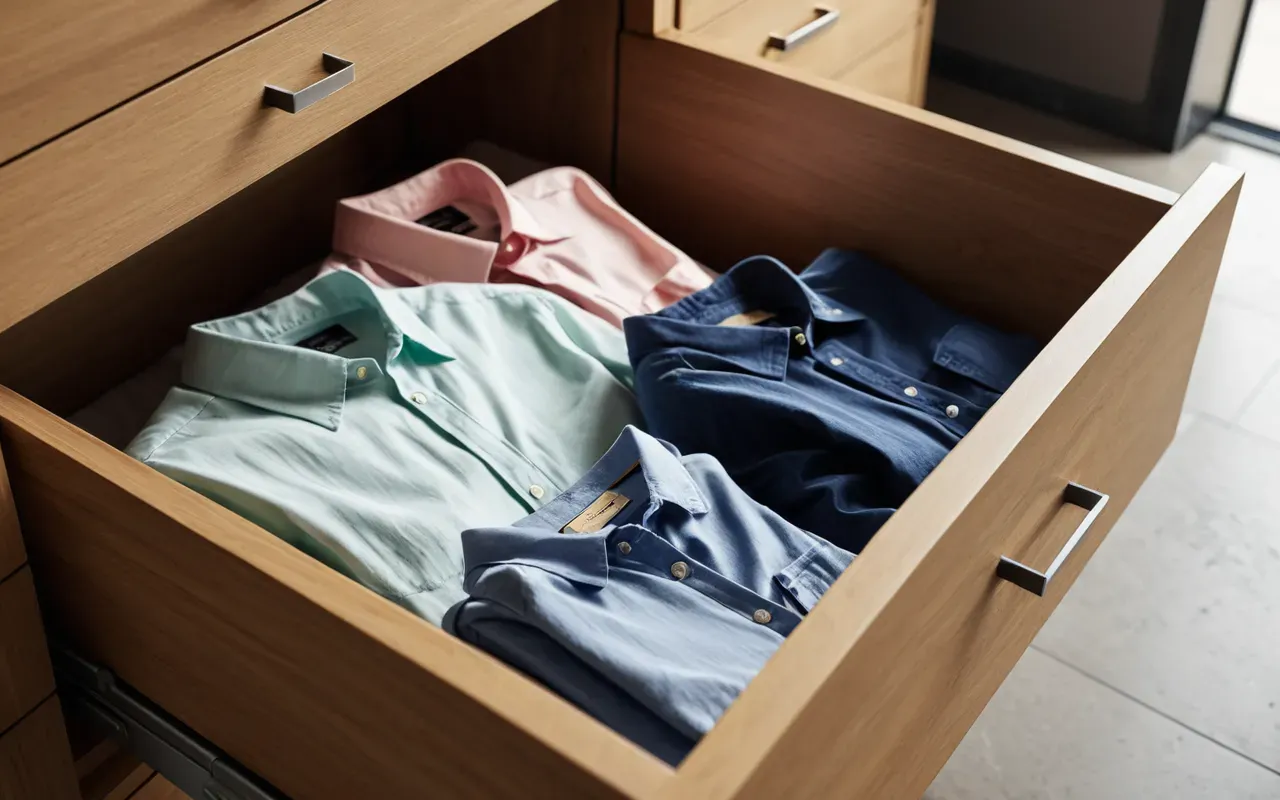
Clean clothes often pile up because folding them is tedious. Next thing you know, you've got a messy drawer full of unfolded items.
Pair socks immediately after drying. Group outfits by size and occasion. Mornings get faster.
The drawer system that saves time every day
Keep everyday basics in one section and special occasion items in another. Use dividers if your drawer is large.
When you see an outgrown item, move it to a donation bin immediately. Don't let the pile grow.
If you are looking for affordable options that wash well and last long, consider budget friendly brands that outperform luxury labels.
Common myths that ruin your textile investment
Myth one is that fabric softener makes clothes softer. It actually coats fibers and reduces absorbency.
Myth two is that hot water kills germs. For most household laundry, warm or cold water is sufficient and safer for colors.
Myth three is that you need to wash every item after one wear. For clean kids who have not been sick or in mud, air out the garment first.
These small changes save water, energy, and money. They also extend the life of your favorite outfits.
Building a sustainable routine for busy parents
You don't need to become an expert. You just need consistency.
Start with sorting. Then adjust your detergent amount. Finally switch to air drying when possible.
Within a month you will notice the difference. The clothes stay soft and bright for much longer.
Your toddler will thank you. And your wallet will appreciate the savings on replacements.