Fashion Nova Baby Clothes Are A Trap
The Allure and the Risk of Trendy Baby Fashion
Every parent knows the struggle of finding baby clothes that are both stylish and practical. Social media feeds are flooded with adorable images of infants in perfectly coordinated outfits, often featuring bold graphics, playful patterns, and trendy designs. Brands like Fashion Nova have capitalized on this desire, offering affordable, on-trend apparel that appeals to style-conscious parents. However, beneath the surface of these visually appealing garments lies a concerning reality. Fast fashion brands, including those that produce baby wear, often prioritize speed and cost over safety and quality. This means that while the clothes might look great in photos, they may not be suitable for a baby's delicate skin or sensitive developmental needs. The vibrant dyes, synthetic fabrics, and decorative elements that make these outfits stand out can pose hidden risks. Parents seeking to make a fashion statement with their little ones need to be aware of these potential dangers. The allure of trendy baby fashion is undeniable, but it comes with compromises that go beyond the price tag. Understanding these risks is the first step towards making informed choices for your child's wardrobe. This exploration dives into the specifics of why certain popular brands might not be the best fit for your infant or toddler, despite their widespread popularity and attractive designs. The focus is on balancing style with safety, ensuring that your child remains adorable without compromising their well-being. This perspective shifts the conversation from mere aesthetics to a more holistic view of baby fashion, considering comfort, durability, and health implications.
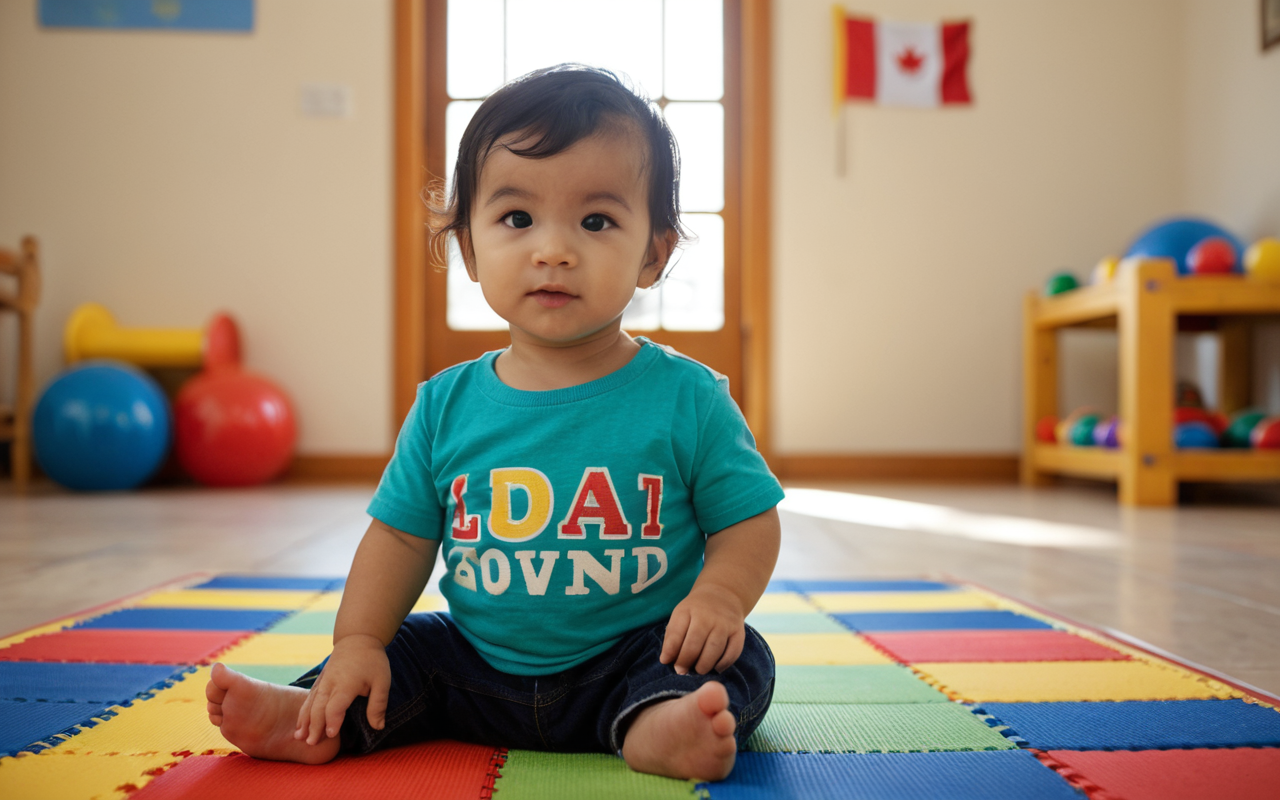
Understanding the Hidden Dangers in Fast Fashion Baby Wear
The production processes of fast fashion brands often involve the use of chemicals and materials that can be harmful to infants. Synthetic fabrics like polyester and acrylic, commonly used in these garments, do not breathe well, leading to overheating and discomfort for babies who regulate their body temperature poorly. These materials can also trap moisture, creating an environment conducive to skin irritation and rashes. Furthermore, the dyes used to achieve vibrant colors may contain toxic substances that can leach into the skin, especially when the child sweats or drools. Decorative elements such as buttons, sequins, and small prints can pose choking hazards if they detach. The lack of rigorous quality control in fast fashion manufacturing increases the likelihood of these issues. Parents might not realize that the cheap price tag comes at the cost of their child's comfort and safety. The rapid turnover of trends means clothes are designed for short-term use, not durability, leading to frequent replacements and more waste. This cycle not only impacts the environment but also exposes children to a continuous stream of potentially unsafe materials. Choosing clothing that prioritizes natural fibers, non-toxic dyes, and secure construction is essential for protecting your little one. While the visual appeal of trendy outfits is strong, the long-term benefits of safe, high-quality baby wear far outweigh the initial savings. Investing in brands that are transparent about their sourcing and manufacturing practices ensures that your child's wardrobe is both stylish and secure. This approach fosters a healthier relationship with fashion, one that values well-being over fleeting trends. For parents seeking to understand more about how baby fashion reflects broader cultural shifts, exploring resources like The Surprising Power of Baby Fashion as a Reflection of Cultural Shifts can provide valuable context.
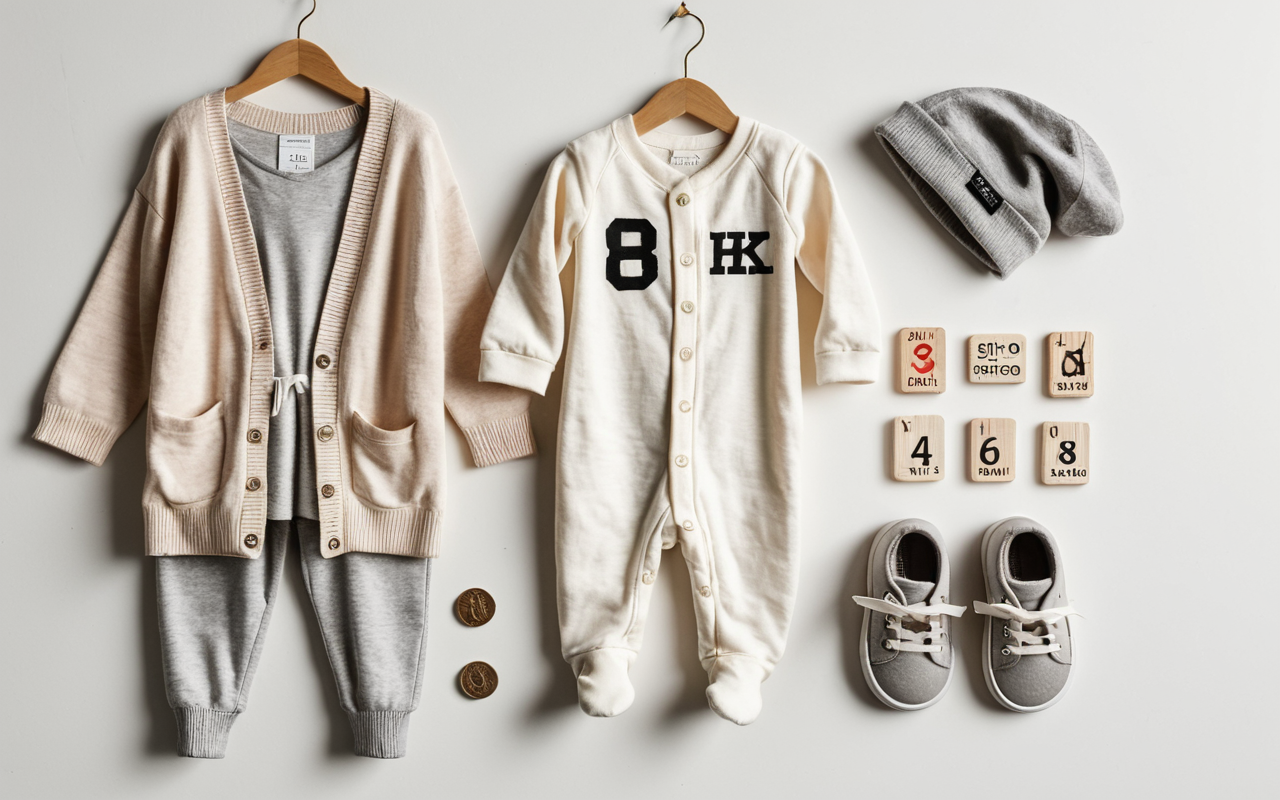
The Environmental Impact of Trendy Baby Apparel
Beyond the immediate health concerns, the environmental footprint of fast fashion baby wear is significant. The production of synthetic fibers relies heavily on petroleum, contributing to greenhouse gas emissions and resource depletion. The dyeing and finishing processes often involve large amounts of water and chemicals, polluting local waterways. The rapid consumption and disposal of these garments contribute to textile waste, much of which ends up in landfills, where it can take decades to decompose. This cycle of overproduction and underutilization is unsustainable and harms the planet that future generations, including your children, will inherit. Choosing eco-friendly alternatives is not just a personal choice but a responsibility. Brands that use organic cotton, recycled materials, or sustainable production methods offer a way to reduce this impact. These garments are often made with greater care and attention to detail, resulting in higher quality and longer-lasting pieces. While the initial cost might be higher, the longevity and safety of these items make them a worthwhile investment. Supporting sustainable brands also encourages the industry to shift towards more responsible practices. By prioritizing eco-conscious choices, parents can contribute to a healthier environment while still dressing their babies in stylish and appealing outfits. This shift in mindset moves away from the disposable nature of fast fashion towards a more mindful and intentional approach to baby wear. For those interested in how innovative trends are shaping the future of baby fashion, Innovative Baby Fashion Trends for Modern Parents Who Want Their Infants to Shine offers further insights into sustainable and stylish options.
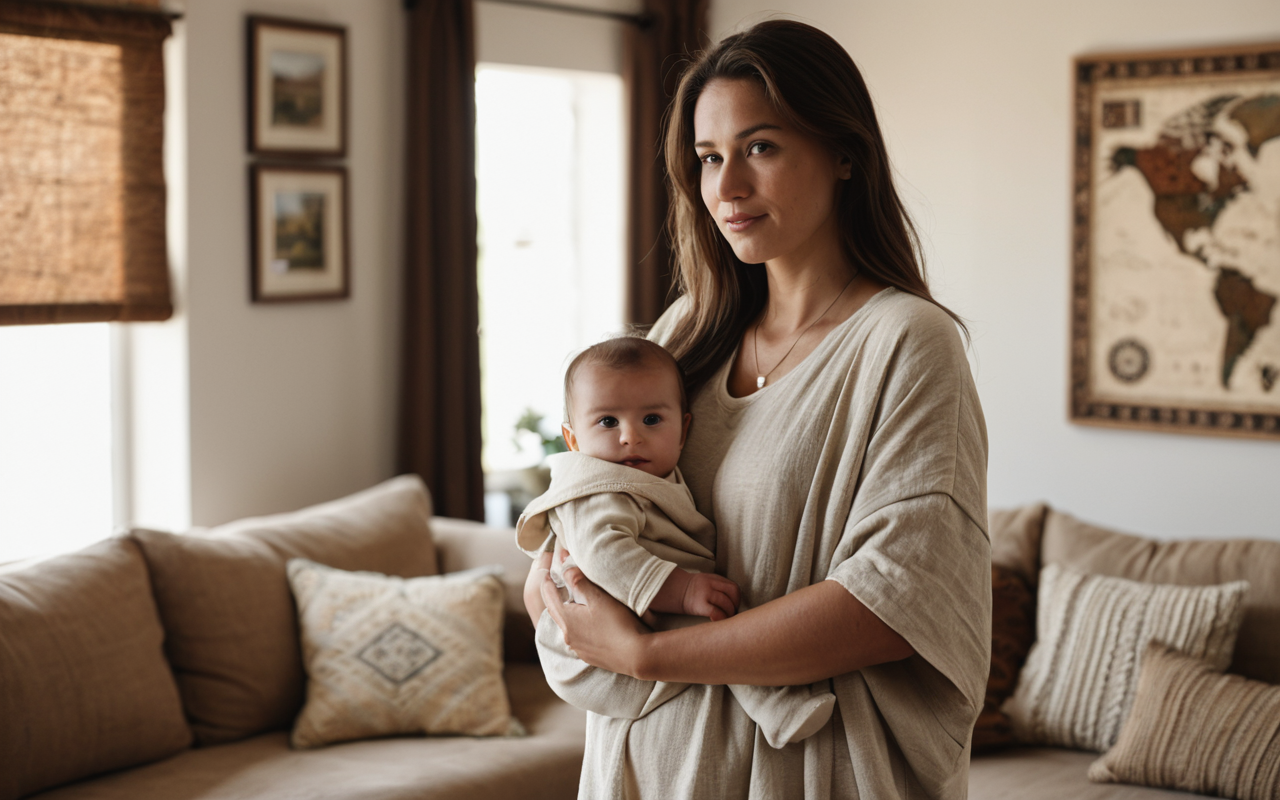
Finding Style Without Compromising Safety
The misconception that safe baby clothing lacks style is outdated. Many brands now specialize in creating fashionable, high-quality apparel that meets strict safety standards. These outfits feature playful designs, vibrant colors, and unique patterns that appeal to both parents and children. The key is to look for brands that prioritize transparency and ethical practices. Reading labels carefully, checking for certifications like GOTS (Global Organic Textile Standard) or OEKO-TEX, and researching brand reputations are essential steps. Online platforms and boutique stores often curate collections that balance aesthetics with safety, making it easier for parents to find suitable options. Mixing and matching pieces from different sustainable brands allows for creative and varied outfits without relying on fast fashion. This approach not only ensures your child's comfort and well-being but also allows you to express your personal style through their wardrobe. It is about making conscious choices that align with your values and priorities. By shifting focus from quantity to quality, parents can build a versatile and enduring baby wardrobe. This strategy reduces the need for frequent purchases and minimizes waste, contributing to a more sustainable lifestyle. For additional ideas on how to keep your baby's wardrobe fresh and fashionable, Elevate Your Baby's Wardrobe with Trendy and Playful Fashion Choices provides practical tips and inspiration.
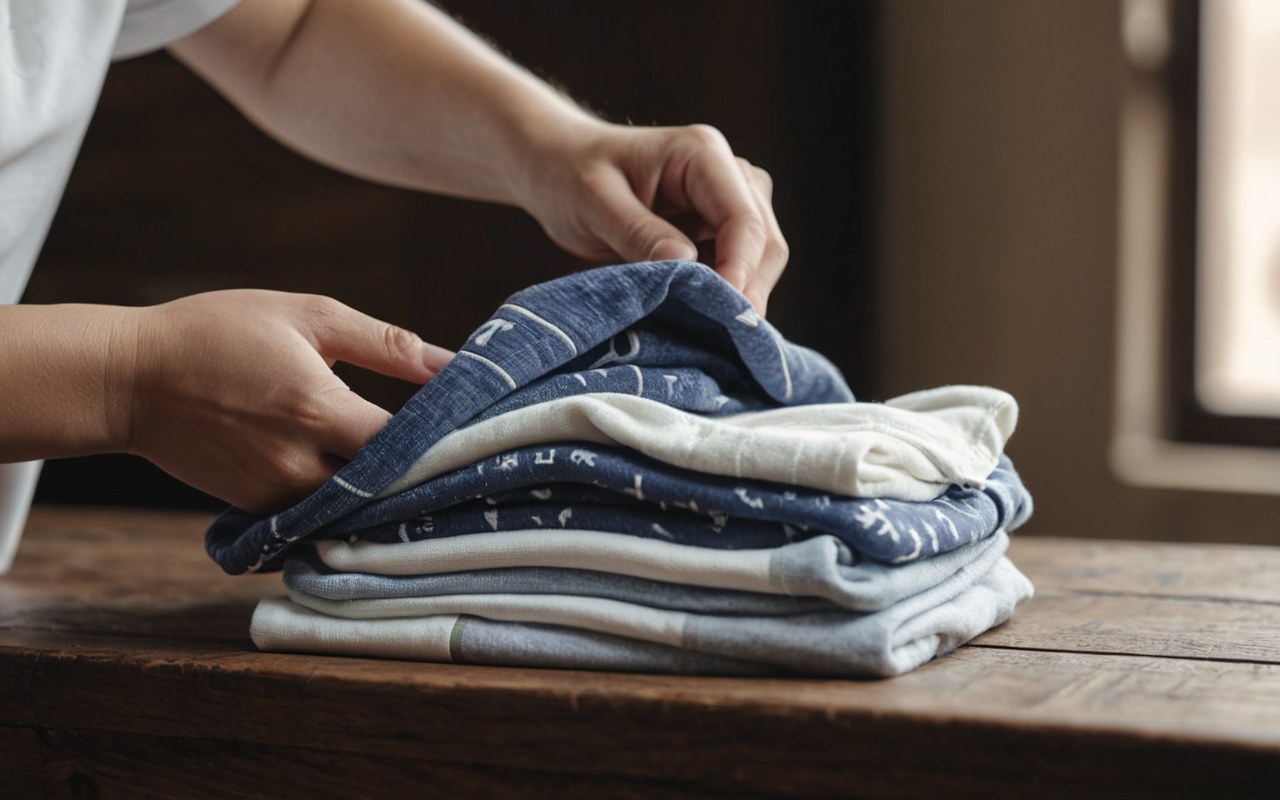
The Shift Towards Conscious Consumerism in Baby Fashion
Modern parents are increasingly aware of the impact of their purchasing decisions. This awareness extends to baby fashion, where the demand for safe, sustainable, and ethically produced clothing is growing. Consumers are asking more questions about sourcing, manufacturing processes, and brand values. This shift is driving change within the industry, encouraging more brands to adopt responsible practices. The rise of second-hand and rental markets for baby clothes also reflects this trend, offering stylish options at a fraction of the cost while reducing waste. These platforms allow parents to access high-quality brands without the environmental burden of new production. Sharing and swapping clothes within community networks further extends the life of garments and builds a sense of connection among parents. This collective approach to baby fashion emphasizes community and sustainability over individual consumption. It challenges the fast fashion model by proving that style does not require constant new purchases. By embracing these alternatives, parents can participate in a movement that values people and planet alongside aesthetics. This conscious approach to baby wear not only benefits the environment but also sets a positive example for future generations. It teaches children the importance of mindful consumption and respect for resources. For insights on how baby fashion trends are evolving to meet these new expectations, Fresh and Fun Fashion Trends for Infants and Toddlers That Make a Style Statement offers a look at the latest developments.
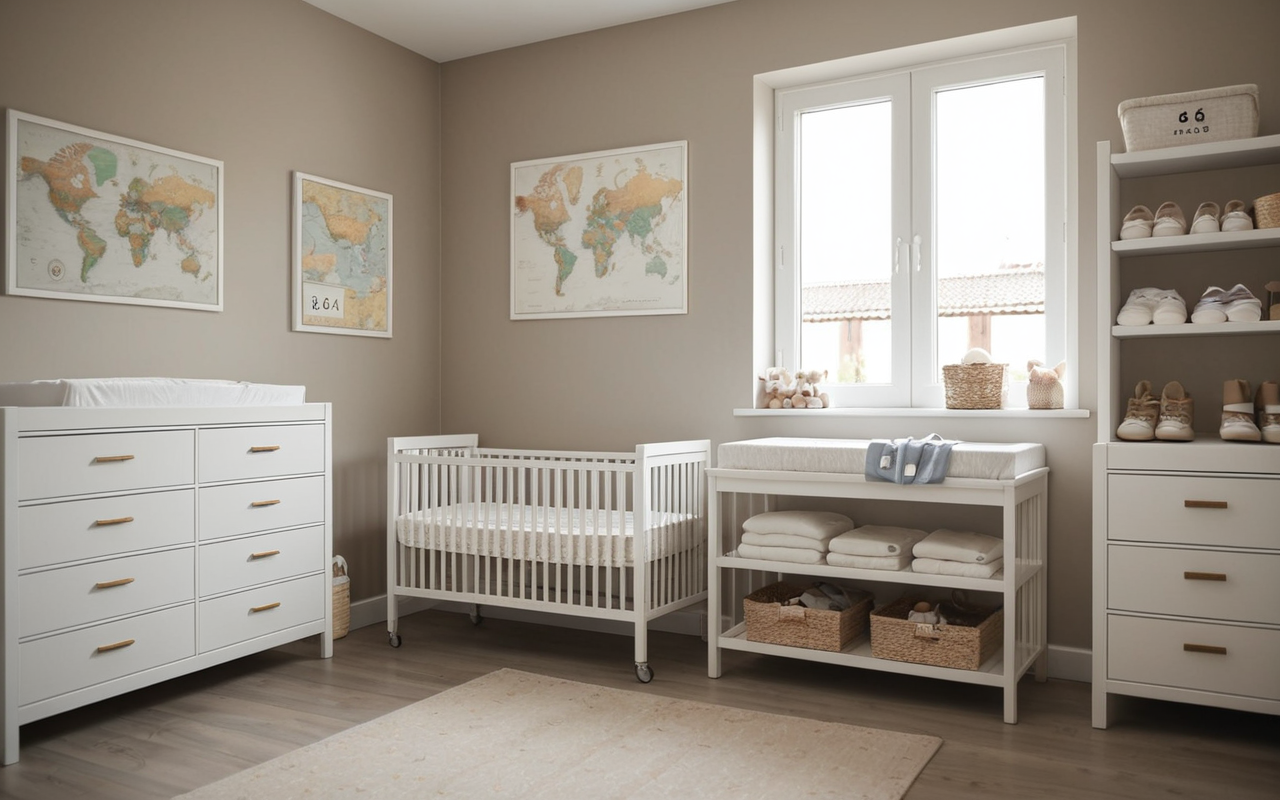
Fast fashion baby clothes often pose safety risks due to synthetic fabrics, toxic dyes, and small detachable parts. These garments prioritize low cost and rapid production over rigorous quality control and child safety standards. Parents should carefully inspect items for choking hazards and opt for brands that use natural fibers and non-toxic materials to ensure their infant's well-being.
Look for certifications like GOTS, OEKO-TEX, or Fair Trade on product labels and brand websites. These indicate adherence to strict environmental and ethical standards in production. Research the brand's transparency regarding sourcing, manufacturing locations, and labor practices. Genuine eco-friendly brands openly share their commitment to sustainability and often use organic or recycled materials in their baby apparel collections.
High-quality baby clothes last longer, withstand frequent washing, and provide better comfort and safety for infants. Investing in fewer, durable pieces reduces the need for constant replacements, saving money over time and minimizing textile waste. Quality garments often use superior materials and construction, ensuring they maintain their shape and appearance, offering better value and a more sustainable approach to dressing young children.
Yes, second-hand baby clothes can be both stylish and safe if sourced from reputable platforms or trusted individuals. Inspect garments for signs of wear, damage, or safety issues like loose buttons. Washing items thoroughly before use removes potential allergens or residues. Many high-quality, fashionable brands are available second-hand, allowing parents to access stylish options at lower costs while extending the lifecycle of clothing.
Organic cotton, bamboo, and linen are excellent choices for sensitive baby skin due to their natural breathability and softness. These materials are less likely to cause irritation or allergies compared to synthetic fibers. Look for clothing labeled as hypoallergenic or free from harsh chemicals and dyes. Prioritizing natural, breathable fabrics helps maintain your baby's comfort and protects their delicate skin from potential irritants.