The Surprising Power of Baby Fashion as a Reflection of Cultural Shifts
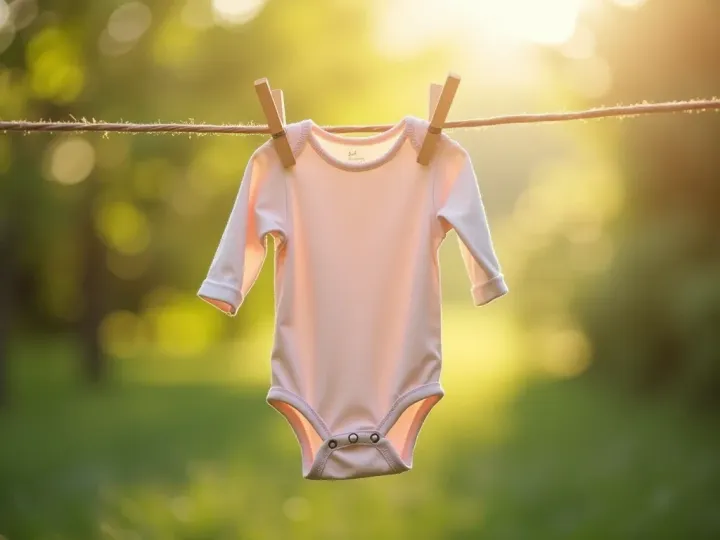
Most people look at baby clothing as merely adorable or functional — a practical way to keep little ones clean and comfortable. However, recent trends reveal that baby fashion is evolving into a powerful cultural reflector, subtly signaling societal progress, values, and even resistance. It's no longer just about cute prints and tiny accessories; it's about making bold statements, embracing sustainable practices, and challenging outdated paradigms that dismiss the significance of early visual and social cues. For instance, you might notice an uptick in organic fabrics, gender-neutral designs, or playful graphic tees that outright question traditional gender roles. These shifts are much more than surface-level aesthetics: they reflect a broader movement toward inclusivity, environmental consciousness, and individual expression even at the earliest stages of life.
Baby Clothes Becoming Instruments of Cultural Dialogue
Fashion, even in its tiniest forms, increasingly functions as a form of cultural dialogue. Modern parents are deliberately choosing clothing that embodies their values, from eco-friendly fabrics made without harmful chemicals to shirts boldly declaring messages of equality or environmental responsibility. This phenomenon underscores a societal shift: clothing becomes a portable platform for advocacy and identity, starting with the youngest. For example, some brands specialize in what are essentially wearable conversations, encouraging kids to “grow up aware” with playful graphics that promote sustainability or kindness. This trend challenges the misconception that baby fashion is purely superficial, instead positioning it as an early stage of social engagement. Sustainable, ethical, and expressive baby clothes are now part of a larger cultural conversation that shapes attitudes and behaviors from day one.
Breaking Down the Myth of Baby Fashion as 'Just Cute'
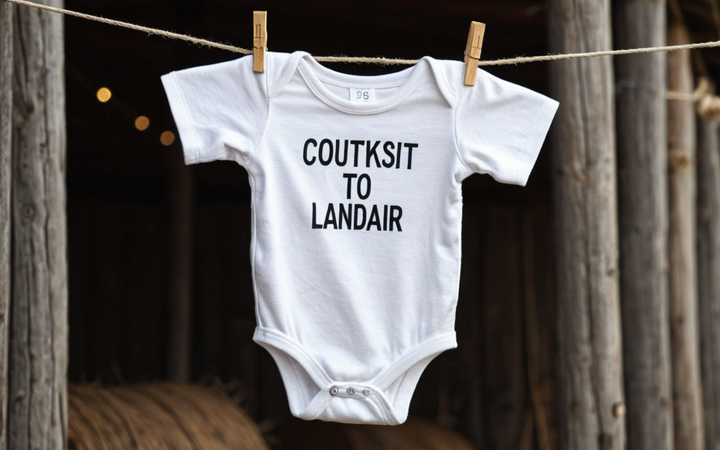
A common myth persists that baby fashion is merely superficial — focused only on cuteness and convenience. But this perspective overlooks how modern baby clothes are often crafted as statements of identity and cultural values. Brands now blend humor, activism, and high-quality craftsmanship with practicality, creating outfits that do more than just look adorable. For example, humorous graphic tees for infants challenge societal expectations about seriousness or innocence, inviting conversations about individuality early on. Simultaneously, the rise of eco-conscious fabrics demonstrates a growing acknowledgment of environmental responsibility. It's a misconception to view baby fashion as trivial; instead, it's an evolving language that encapsulates societal aspirations and critiques in miniature form, shaping perceptions from infancy.
Insider Insights into the Future of Baby Fashion
Industry insiders predict that the future of baby fashion will increasingly focus on customization, sustainability, and cultural representation. Expect more brands offering personalized options—like custom prints that tell your family story or celebrate cultural heritage—aimed at fostering early identity recognition. Additionally, eco-friendly fabrics will dominate collections, driven by consumer demand for transparency and responsibility. We may also see greater integration of smart textiles, such as temperature-sensitive fabrics or designs that grow with the child, emphasizing practicality alongside style. This evolution signifies a broader social shift: parents are seeking ways to instill values and identity from the earliest childhood stages through apparel choices, making fashion a form of early self-expression and social commentary.