Why baby clothes look like mistakes because they are built backwards
The Seam That Looks Like a Mistake Is Actually Saving Your Baby's Skin
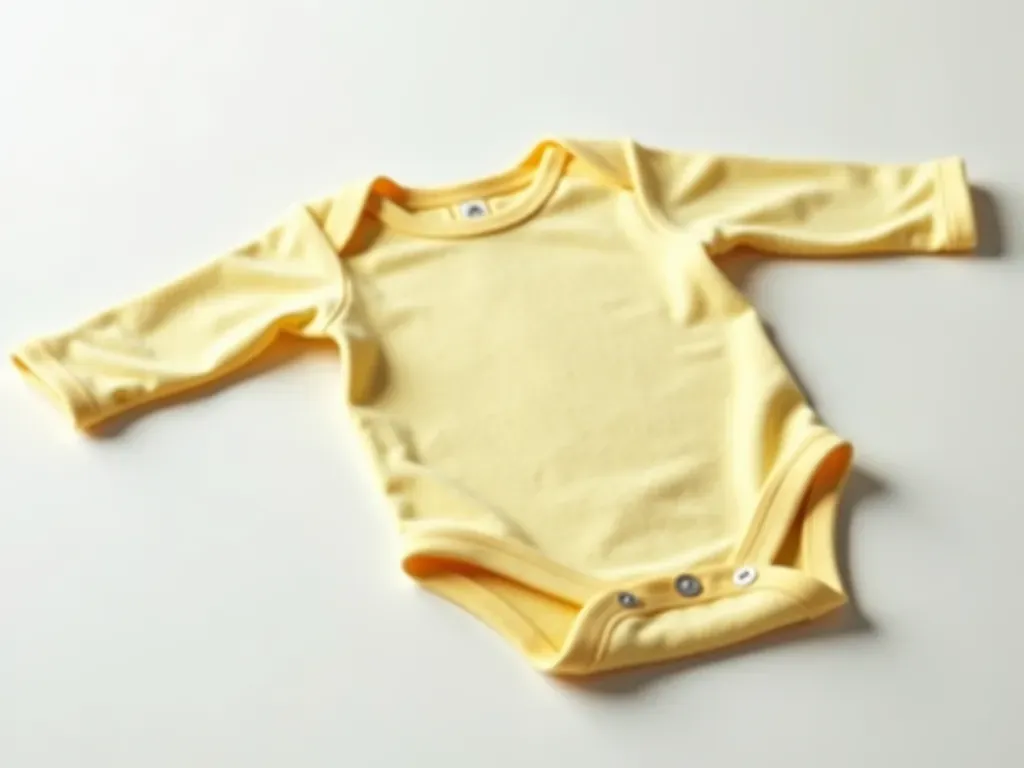
You hold up the tiny onesie. Seams on the outside. Tag facing forward. Your brain instantly screams defect.
You check the price tag. Flip it over in your hands. Something looks off. Most parents figure it's a cheap knock-off or a factory mistake.
But here's the thing. That design choice is deliberate — and it's rooted in some very specific human biology.
Manufacturers aren't failing you. They're working around a real physical limitation of the human infant.
The Biological Reason Behind That Strange Inside Out Appearance
Newborns have skin roughly half the thickness of adult epidermis.
To your hand, a seam feels like nothing. Barely there.
To your baby, that same raised thread ridge is a rough patch on the road.
Every time they roll over or kick their legs, that seam rubs against tender flesh.
This creates redness and itching that can escalate into heat rash if sweat gets trapped in those bumpy areas.
So the fix is simple. They flip the construction logic completely.
How The Inside Out Trick Actually Works in Production
The factory sews the piece as if it were a regular shirt.
But then they turn the entire piece inside out before packaging it.
When you open the package and put the shirt on your child, the inside of the garment becomes the outside.
Wait. That sounds confusing. Let me rephrase that for clarity.
The side with the smooth fabric is what touches your baby's skin.
The side with the seams and tags is what faces away from the body.
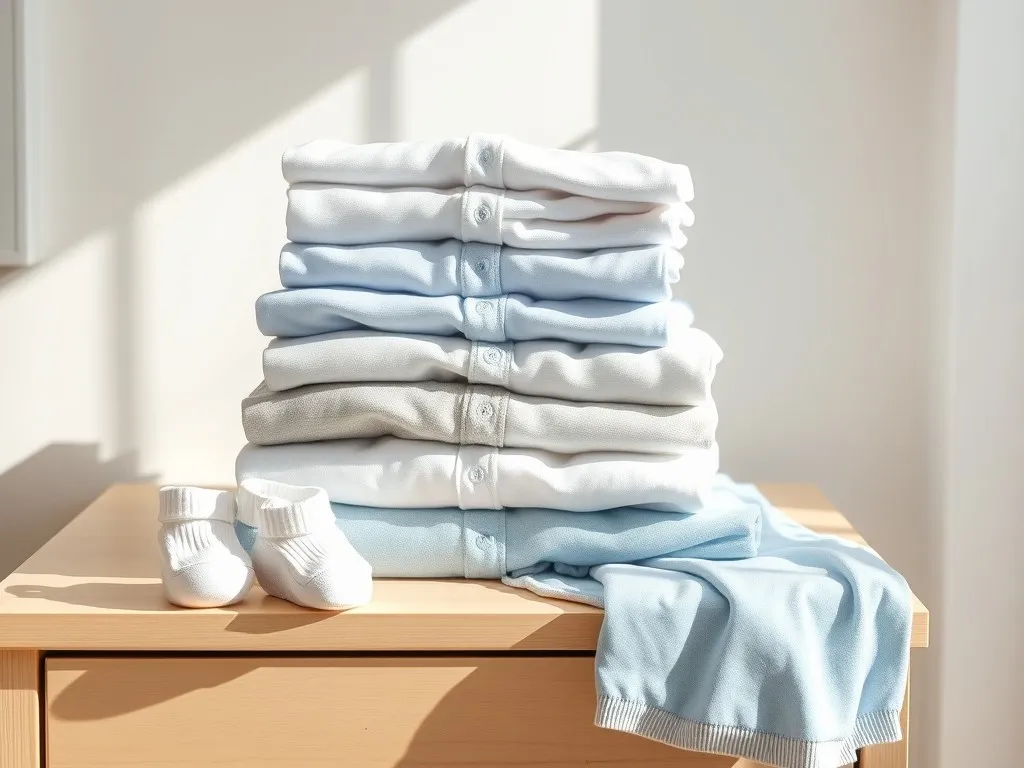
So when you look at a folded baby shirt in the store and see seams on top, that's actually the inside of the garment.
It looks wrong because you're used to adult clothing logic.
Why This Matters More Than You Probably Realize Right Now
Infants spend a huge amount of time lying down or rolling around.
Their hands are constantly touching their faces. Their legs kick against the fabric.
If that fabric has a rough ridge, it becomes a constant source of low grade friction.
Over hours and days, that adds up to redness. It can even disrupt sleep because the baby feels uncomfortable.
So this design choice isn't just a nice to have. It's a functional protection layer.
What This Means for Your Shopping Habits and Budget
You don't need to buy the most expensive brand to get this feature.
Most reputable brands that make newborn items use this inside out construction as standard practice.
But you should still check the feel of the fabric when you buy.
If the inside feels rough or has thick stitching, put it back.
You're paying for comfort. Make sure you get it.
A Quick Note on Brands That Do This Well and Those That Skip It
Some fast fashion brands cut corners here. They might use standard adult construction even for newborns.
This saves them money on labor. It also creates a product that can irritate your child.
I've seen parents complain about red marks on their baby's neck after wearing a cheap onesie.
The solution was switching to a brand that used the inside out method. The redness disappeared in two days.
So the next time you see that strange seam placement, don't panic. Don't assume it's a mistake.
It might be the best thing your child's skin gets that day.
How to Spot the Difference Between Good and Bad Construction at Home
Take a new onesie out of the package. Don't put it on yet.
Look at the inside. It should be smooth. You shouldn't feel any ridges or bumps.
If you feel a ridge on the inside, that's a problem.
That means it wasn't made with the inside out technique.
You can also check the tag. It should be flat or removable.
If the tag is sewn directly onto the fabric with thick threads on the inside, that's another red flag.
These small details matter more than the color or the pattern.
Why This Detail Is Almost Never Discussed in Parenting Advice Columns
Most articles focus on size and color. They talk about matching outfits for photos.
They rarely mention the physical construction of the garment itself.
That's a gap. And it leaves new parents confused when they see something that looks wrong.
I think this is because it's a manufacturing detail. It happens behind the scenes.
But for your baby's daily comfort, it's front and center.
What This Tells You About the Broader Baby Fashion Industry Right Now
The industry is balancing cost and comfort. It's a constant negotiation.
Brands that prioritize gentle construction often have higher labor costs.
But they also build trust. Parents notice when their child is comfortable.
Word of mouth spreads fast when a brand gets this right.
So this small design choice is actually a major differentiator.
Final Thoughts for Parents Who Want Their Baby to Feel Good All Day Long
Next time you see those seams on the outside of a baby garment, don't dismiss it.
See it for what it is. A quiet act of protection.
Your baby can't tell you if their clothes are scratching them.
You have to be the one who checks. You have to be the one who cares about these details.
And that's why this design exists. It removes the guesswork from your end.
It ensures that the fabric touching your child is as gentle as possible.
So the next time you wonder why baby clothes look inside out, remember this.
They're not broken. They're just built for a smaller body with much less tolerance.