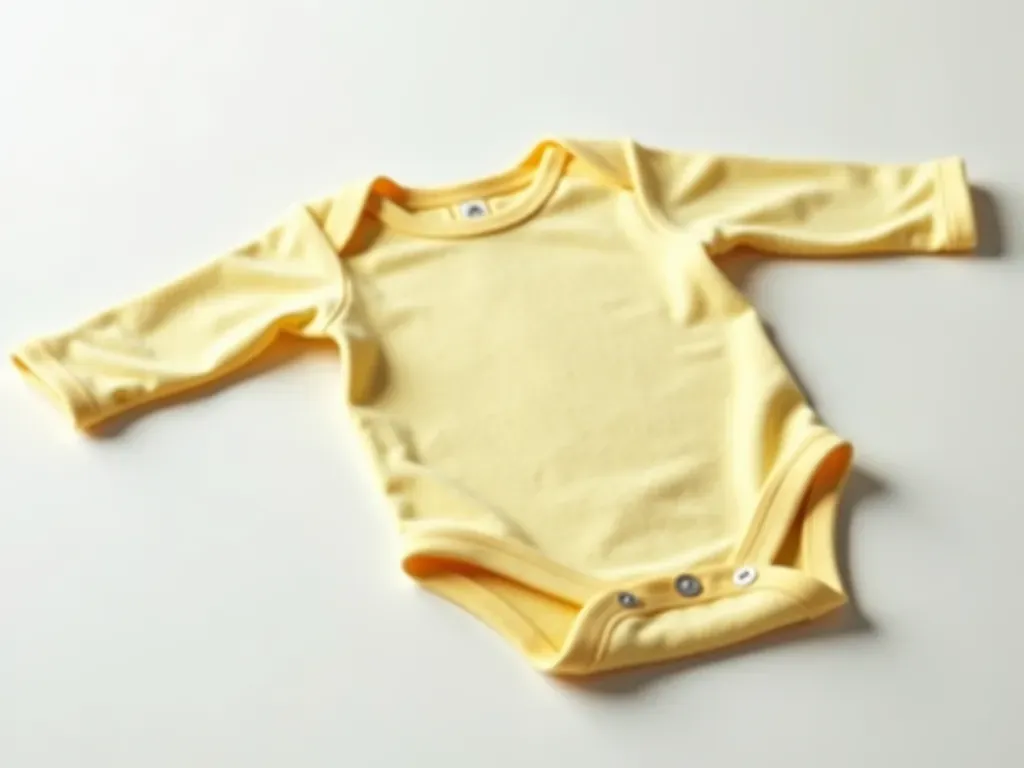
How to Buy Baby Boy Clothes That Actually Get Worn, 0-24M
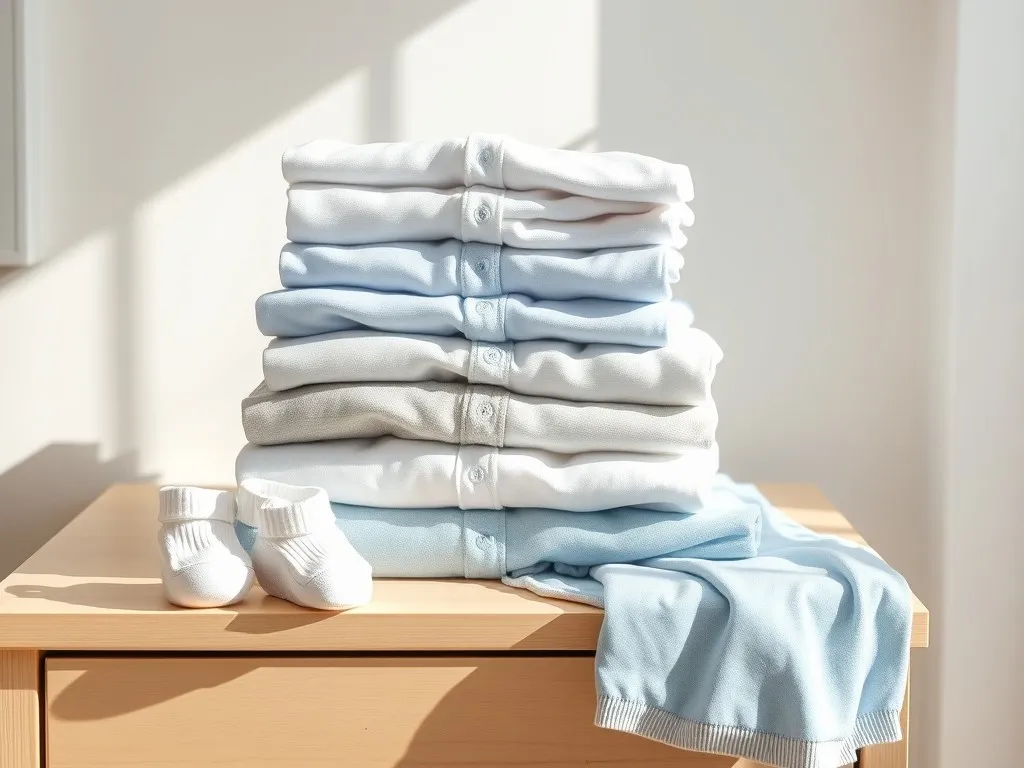
Buy baby boy clothes in small, size-staged batches rather than one big haul. For each size, a workable count is 6-8 bodysuits, 4-6 sleepers or footies, 3-4 bottoms, 2-3 tops and 1-2 occasion outfits. That covers the week between washes without filling a drawer with pieces he will outgrow before the tags come off.
Newborn and preemie: buy light, then add
Newborn sizing lasts a matter of weeks for many babies, so buy only a few pieces before birth and add after the first weight check. Preemie sizing sits alongside newborn through 24M ranges, so read the size chart instead of assuming a label means what you expect. If there is any chance of a smaller baby, one or two preemie pieces are worth having on hand.
0-3M through 24M: one size ahead, no more
From 0-3M upward, the same counts hold: roughly 6-8 bodysuits, 4-6 sleepers, 3-4 bottoms, 2-3 tops and a couple of occasion outfits per size. Buy one size ahead at most. Two sizes ahead usually means the season is wrong by the time it fits, so a summer sleeper arrives in winter and never gets worn.
Check the size chart on every brand you order from, since a 6M in one label can run closer to a 3M in another. Keeping the counts small per size leaves room to adjust once you see how fast he is actually growing.
Why the fabric matters more than the graphic on the front
A bodysuit printed with a dinosaur and a bodysuit printed with nothing are the same garment once the cotton is thin and pilled. Cotton jersey earns its place for everyday bodysuits because it breathes, stretches over a diaper, and holds up to repeated hot washes. Viscose and cotton-blend knits make more sense for sleepwear and rompers, where you want drape and give rather than structure. Run a hand over the fabric before buying: if it feels flimsy through the body, it will look tired after a handful of cycles.
On pajamas, look for snug-fit labeling. That wording signals the garment was cut to meet sleepwear fit standards, which matters more than any character on the chest. For newborns, prioritize mitten cuffs on sleepers over prints; they stop him from scratching his face during the night, and no graphic does that job. Parents shopping for a different wardrobe can borrow the same logic from this guide to stylish baby girl clothes, where fabric and fit carry the outfit.
Closures decide whether a piece gets worn at 3 a.m. Zip fronts beat snaps on sleepers for night changes, since one pull opens the whole garment. Snaps still win on bodysuits, where you want quick diaper access without undoing the entire front. Check that the zip has a fabric guard at the chin before you commit.
The sizing and fit traps that make cute outfits unwearable
A bodysuit that has to go over the head is a bodysuit you will wrestle with at the worst possible moment. Look for shoulder snaps or an envelope neck, the overlapping flap that stretches wide enough to pull the garment down over the body instead of up past the face. During a blowout, that downward exit keeps the mess away from hair and eyes and turns a two-person job into a one-person one.
Length and fit
Footed sleepers are the most common fit failure. Manufacturers cut the leg to a standard curve, so a baby sitting above the middle of the growth chart will outgrow the feet weeks before the body feels tight. If your baby runs long, buy one size up in footed styles and roll the cuffs, or choose a footless sleeper with a generous cuff you can pull over the heel.
Two-piece sets stretch further than one-piece outfits because the top and bottom wear out at different rates. A bottom that still fits can pair with a larger top, and vice versa, which keeps half the set in rotation when a growth spurt hits one half of the body harder.
Check the size range before you commit
Before you settle on a brand, check how far its sizing runs. Some labels cover preemie sizing alongside newborn through 24M, which matters if your baby arrives early or small, since a preemie line means the smallest sizes are cut for genuinely tiny bodies rather than scaled-down newborns. A brand that stops at 24M also tells you where your money stops stretching.
What baby boy clothes cost and where the real value sits
The sticker price on baby boy clothes is rarely the price anyone pays. Multi-buy packs are usually where the deepest discounts sit, and a six-pack of long-sleeve bodysuits is the clearest example: the sale price lands well below the regular one, which works out to a few dollars per bodysuit. Since bodysuits take the heaviest rotation of anything in the drawer, it is the single best place to spend.
Rompers and pajamas follow the same pattern. A two-pack of zip-front viscose rompers is discounted against its regular price, and a two-pack of footless snug-fitting pajamas is marked down too. Sale prices in this category commonly land well below regular, so paying full price for sleepwear or daywear multipacks is almost always a choice you can avoid by waiting.
Single graphic pieces are a different calculation. A holiday bodysuit at $8.37 looks like a steal, but it is final sale, which means no returns if the fit is wrong or your baby outgrows it before the occasion. Treat deep-cut novelty items as a gamble on sizing, not a saving, and only buy them in a size you already know works.
Shipping quietly decides whether a small order is a bargain at all. Free shipping kicks in at $30 or more at some retailers and over $65 at others, so a multipack plus shipping can cost more than a larger order that clears the threshold. If you are buying one or two packs, add the basics you will need anyway rather than paying postage, or check how retailers are rethinking cheap clothing before you assume the lowest ticket wins.
How to build a mix-and-match baby boy wardrobe in one order
Build the order in three layers. The base is neutral multi-packs of bodysuits and sleepers in white, grey, oatmeal or navy, bought in the size you need now plus one up. Then add two or three statement pieces — a romper, a printed set, a swim nappy — that carry the personality. Everything else is filler you will regret.
Keep a single palette running across every size. Pick two or three colours that work together and stay inside them from newborn through 24 months, so gifts from relatives and hand-me-downs from an older sibling still slot into the same drawer. A wardrobe that coordinates means fewer pieces get orphaned at the back of the shelf.
Pay full price once, deliberately. Buy the everyday base — bodysuits, sleepers, plain bottoms — on sale or in a multi-buy, and save the full-price spend for the one outfit you actually want photographed. Check the clearance rail first; a limited-time code can take an extra 20% off all clearance, which is where the base layer belongs.
Add accessories last, once the clothing is settled. Bibs, socks and burp cloths are the cheapest items in any baby boy range and the easiest way to clear a free-shipping threshold without buying another outfit nobody needs. One or two packs is usually enough to close the gap.
Where to shop for baby boy clothes and how the big retailers differ
Start with the size of the catalog. Gerber Childrenswear's baby boy clothing collection runs to well over a thousand products, and The Children's Place lists a similarly large number of items under shop baby boy clothes. Catalogs that large are built for basics buying: multipacks of bodysuits, sleepers and pants in plain colors, where the per-piece cost drops and you can fill a drawer in one pass.
Heritage layette brands work differently. Little Me has been dressing baby boys since 1972, and houses like it sell gift-ready sets and long size runs rather than deep discounts. That makes them the better stop for a shower gift or a first wardrobe you want to keep, not for stocking up on everyday pieces that will meet puree and bleach.
Organic-certified lines cost more, and the premium is easiest to justify on the layer that touches skin all day: the bodysuit and the footed sleeper. Save the certification budget for those two and buy the outer layers wherever the fit is right. If a print is doing all the work, remember that the print will not improve the fit or the fabric.
Discount codes change the ranking fast, so read the terms. The Children's Place has run a limited-time extra 20% off all clearance with code EXTRA20, which stacks on already-reduced items. Confirm what the code excludes before you assume the lowest price sits at the store with the biggest sale banner.
A simple rule for deciding what to skip
Before anything goes in a cart, run it through one filter: if it demands special care, it stays behind. Anything that needs ironing, hand washing or its own detergent will sit in the drawer while the easy pieces get worn and washed on repeat. Babies generate laundry faster than anyone can keep up with, so a garment that adds a step to the routine loses every time.
Skip newborn shoes and structured outerwear. They exist to be photographed once and are outgrown before they earn a second wear; soft booties and a blanket do the same job for less. Likewise, resist buying a single print in bulk before you know how a brand's sizing runs on your baby, because a whole stack of one design in the wrong fit is a stack you cannot use.
Do keep one small bin of next-size-up basics set aside, so a growth spurt never forces a full-price panic run. The rule holds: buy what survives the wash, fits the body in front of you, and needs nothing extra from you.
Frequently Asked Questions
How many baby boy outfits do I actually need before the baby arrives?
Buy a small newborn rotation rather than a full wardrobe, because babies grow out of the first size quickly. Stock roughly 6-8 bodysuits, 4-6 sleepers and 3-4 bottoms per size, then add more once you know what fits and what gets worn.
Is organic cotton worth the extra cost for baby boy clothes?
Fabric quality matters more than the graphic on the front, so prioritize soft, breathable cotton over premium labels. Organic cotton can be worth it for items worn against the skin daily, but a well-made basic cotton bodysuit works fine for most of the rotation. Spend the difference on fit and quantity instead.
What size should I buy for a baby expected to be over 8 pounds?
Skip straight to newborn-and-up or 0-3 month sizing and keep the smallest size minimal, since a bigger baby will outgrow newborn clothes almost immediately. Buy only a few pieces in the smallest size and put the budget into the next size up. Little Me, for example, covers birth through 24 months and also offers preemie sizing.
Do baby boy clothes run smaller than baby girl clothes from the same brand?
Sizing varies by brand and style rather than by gender, so check each brand's own size chart instead of assuming boy clothes run smaller. Fit traps like snug sleepwear and shrinking fabrics cause more problems than the boy-versus-girl label. Compare measurements across the brands you are considering before ordering.