Stylish Baby Girl Clothes: A Curated Guide for Ages 0-3
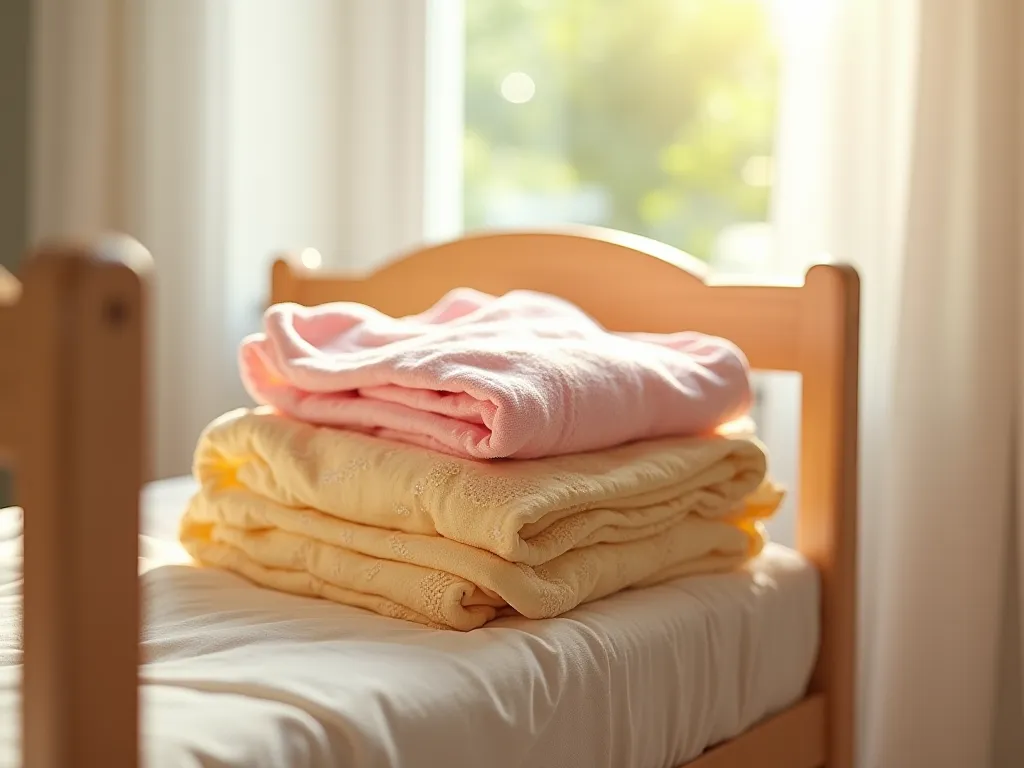
Stylish baby girl clothes for ages zero to three require precise fit benchmarks rather than guesswork. Prioritize brands offering distinct patterns or unique silhouettes that move beyond basic solids, ensuring each piece balances aesthetic appeal with practical durability. Selecting the correct size using specific height and weight data prevents items from becoming too loose or restricting movement as the infant grows rapidly.
Newborn Fit Parameters
The Newborn (NB) category serves infants up to twenty inches tall. This stage covers weights between five and eight pounds, where clothing must allow for frequent diaper changes without sacrificing coverage or warmth. Look for designs that accommodate this small frame while maintaining structural integrity.
Early Infant Measurements
The three-month size accommodates babies reaching twenty to twenty-four inches in height. Weight ranges typically span eight to thirteen pounds during this phase, requiring fabrics with enough stretch for active movement yet sufficient structure to hold shape. Accurate measurement here ensures comfort without excess fabric bunching.
Mid-Infant Dimensions
Six-month sizes fit children standing twenty-four to twenty-six inches tall. The corresponding weight range sits between thirteen and seventeen pounds, marking a transition toward more defined body proportions. Precise sizing at this stage helps identify garments that offer both style and functional ease for daily wear.
Selecting Fabrics for Comfort and Durability
Breathability determines whether a garment protects delicate skin or irritates it. Pure organic cotton remains the gold standard because its fiber structure allows air to circulate freely across the body surface. This airflow helps regulate temperature and wicks moisture away from the epidermis, reducing the risk of rashes during long wear periods.
Structural integrity depends on how well a manufacturer handles high-stress zones. Look for garments with double-needle stitching at the crotch and shoulder seams, where movement creates the most tension over time. Reinforced gussets in pants prevent tearing during active play and crawling phases, significantly extending the usable life of each piece.
Synthetic fabrics like polyester trap heat against the skin, creating a microclimate that encourages sweating. If your child runs warm or has sensitive pores, prioritize natural fibers over plastic-based blends to avoid discomfort from trapped moisture. Choosing breathable materials supports long-term comfort without compromising on style or durability.
Understanding fabric composition helps distinguish between a durable investment and a disposable item that fails after a few washes. High-quality cotton blends maintain their shape and softness through repeated laundering cycles better than cheap synthetics. This attention to material properties ensures the clothes remain safe, comfortable, and intact as your child grows.
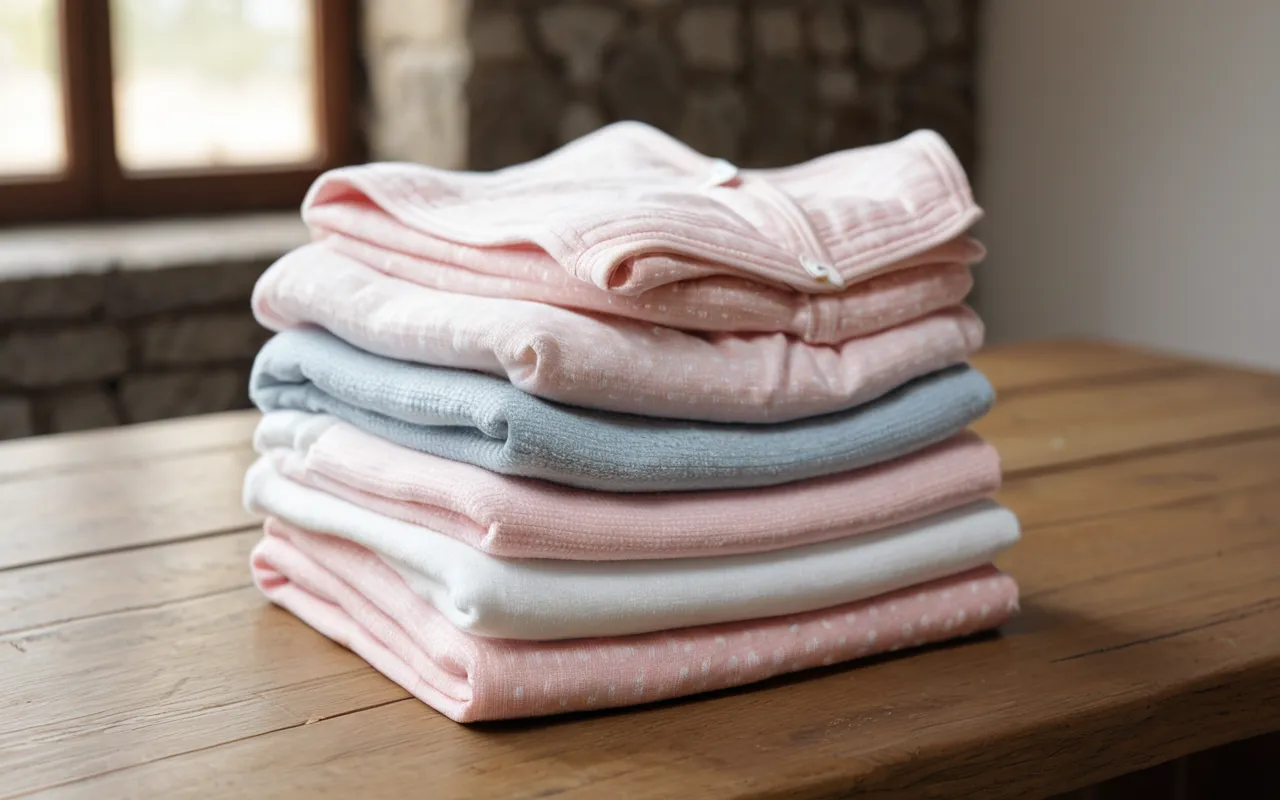
Curated Styles for Every Occasion
Daily Essentials: The Snap-Closure Romper
Rompers with full-length snap closures serve as the functional backbone of a newborn wardrobe. These garments allow for rapid diaper changes without removing the entire outfit, reducing friction during frequent care routines. Look for designs where the snaps run down one side or through the crotch specifically to facilitate this ease.
Play and Polish: Dresses with Integrated Bloomers
Dresses featuring built-in bloomers offer a refined silhouette that remains practical during active play. This integrated under-layer ensures modesty when crawling or tumbling, preventing the skirt from riding up unexpectedly. It eliminates the need for separate leggings, simplifying dressing while maintaining a cohesive look.
Versatile Layers: Bodysuits and Cardigans
Layered sets consisting of bodysuits paired with cardigans provide maximum flexibility for shifting indoor temperatures. This combination allows for easy mixing and matching, creating distinct outfits from a small number of pieces. The separation of layers makes adjusting warmth simple without requiring full undressing.
Choosing these specific garment types balances aesthetic appeal with the mechanical reality of infant care. Prioritizing structures that aid in dressing and changing ensures daily routines remain manageable for both caregiver and child. This approach supports a wardrobe that functions as well as it looks.
Navigating the Toddler Transition (9-36 Months)
Mobility changes everything once a baby starts rolling and pulling up. The standard sizing benchmarks shift as height crosses into the twenty-six to twenty-eight inch range, typically corresponding to weights between seventeen and twenty-one pounds. This specific growth phase demands garments that do not restrict leg movement or chafe during active play.
By twelve months, the body proportions change again as height extends toward thirty-one inches and weight climbs to roughly twenty-four pounds. Clothes designed for this stage must account for increased muscle tone in the hips and legs. A rigid waistband that worked at six months often feels restrictive by ten.
Elastic waists or soft drawstrings solve these fit issues during rapid growth spurts. These features allow the garment to stretch comfortably over a changing body without creating pressure points. This flexibility supports daily comfort while maintaining a polished appearance throughout the day.
Understanding how garments are often built backwards helps explain why many toddler styles fail in practice. Prioritizing stretch zones over static seams ensures the outfit moves with the child rather than against them.
Identifying Quality Indicators at a Glance
Start with the care label to verify compatibility with your washing routine. Check if the fabric requires cold water or gentle cycles, as high heat can shrink natural fibers and distort the garment's fit over time. This step prevents premature wear that often leads to discarding perfectly good clothes.
Examine the stitching for flat-seam construction rather than bulky raised threads. Raised seams create friction points that irritate delicate newborn skin, while flat finishes glide smoothly against sensitive areas like necklines and cuffs. Run your fingers over these joints; any roughness or ridge indicates a potential source of discomfort during long wear.
Test the security of all hardware before purchasing. Pull gently on buttons and snaps to ensure they are firmly anchored, as loose components pose immediate choking hazards for infants who explore objects with their mouths. Secure attachments should withstand repeated washing without loosening or detaching from the fabric base.
Frequently Asked Questions
What are the most durable fabrics for baby girl clothes?
For maximum longevity, prioritize organic cotton twill or hemp blends over synthetics. These natural fibers are inherently more durable because they withstand repeated washing and wear without pilling or degrading as quickly as polyester-based materials.
How many outfits does a newborn actually need in their first month?
Aim for 10-12 bodysuits and 4-6 dresses to cover standard laundry cycles during the first month.
Are organic cottons worth the extra cost for infant clothing?
Organic cotton is a worthwhile investment specifically for skin-contact items due to chemical safety, though it may not be the optimal choice for outerwear where durability takes precedence over fabric origin.
When should I stop buying 'newborn' size and move to 3 months?
You should transition from newborn size when your baby exceeds twenty inches in height or eight pounds in weight. The three-month size fits infants up to thirty weeks old with heights between twenty and twenty-four inches, ensuring a proper fit as they grow.