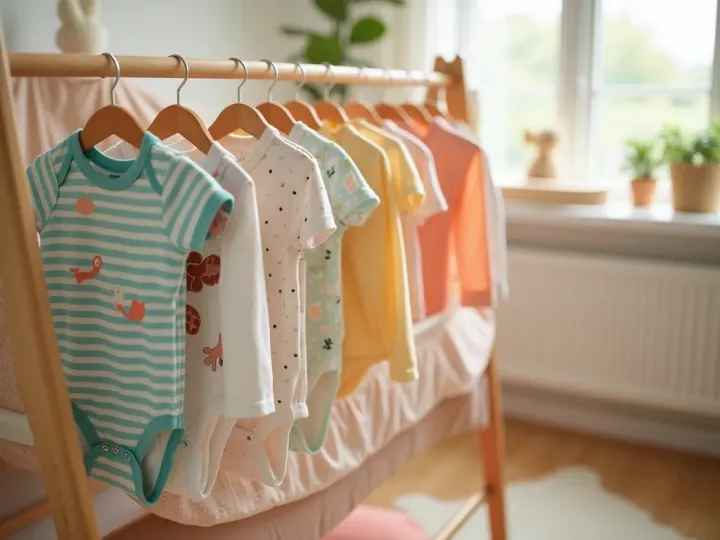
The hidden flaw in how we buy baby clothes that a dog accidentally exposed

A dog wearing a onesie changed how I think about buying for infants
I remember watching a short video online. A dog, happily wearing an old baby onesie, wandering around a living room.
The clip went viral because it was funny. But I kept thinking about something else.
That dog did not care about the brand label or the cute pattern. It only cared that the fabric felt soft and loose.
We often spend more on making a look than we do on how the clothes actually feel against delicate skin.
This is a real problem. A lot of modern parents buy for the photo before they think about the nap.

Why the look matters less than you think for babies under three
Babies and toddlers do not read fashion magazines. They feel the world through touch, movement, and temperature.
A tight collar can ruin a feeding. A rough tag can cause rubbing and fussiness during the day.
So here is something I now check before anything else. Does the garment allow easy movement and diaper changes?
If it takes three tries to pull a shirt over a head during a fussy moment, the design is not working.
The real reason parents overbuy trendy pieces that get worn twice
I have seen this pattern many times. A parent buys five matching outfits because they look great in the store.
Then at home only two get used. The others sit folded because they are hard to put on or too stiff.
This is not just about waste. It is a signal that the buying decision was made for an audience instead of the wearer.
What a funny graphic tee can teach us about choosing better styles
Funny baby tees are popular because they add personality. A simple printed shirt can make a parent smile.
But I have noticed something. Many of these trendy tops use prints that fade after a few washes.
The humor is cheap to produce. The fabric quality often suffers when the price stays low.
If you like playful prints, look for ones with soft cotton blends and reinforced stitching at the seams.
Why comfort is the real trend that modern parents should follow
The best baby clothes are not the ones with the loudest designs. They are the ones that disappear during daily life.
A good outfit should let a baby crawl, roll, and sleep without constant adjustment from you.
I now buy fewer pieces with more stretch and softer cuffs. My baby moves better and I stress less.
Small details that make a big difference in daily wear
Check the neck opening. A wide neckline makes dressing faster and less frustrating for a squirming baby.
Look at the waistband too. Elastic that is gentle but secure keeps pants from sliding down during play.
Flat seams and tagless labels reduce rubbing on sensitive skin that adults often overlook.
How to build a small wardrobe that actually works for your child
I used to think more clothes meant better preparedness. Now I know that quality matters far more than quantity.
Start with a few basics. Soft bodysuits that open at the bottom are easier to change than pull over styles.
Add one or two statement pieces. A bright onesie with a fun print can still be soft and practical.
If you want more ideas for simple daily looks that do not look like a costume, check this piece on why your baby's wardrobe is probably overkill and how to keep it lean.
The hidden cost of chasing cute looks in a fast moving market
Baby fashion moves quickly. New colors and patterns appear every season, making it hard to resist buying.
But when a shirt lasts only two washes because of weak dye, you are paying twice in the end.
I now treat durability as a style feature. If it does not last, the design was never good to begin with.
Why size matters more than the label says on the tag
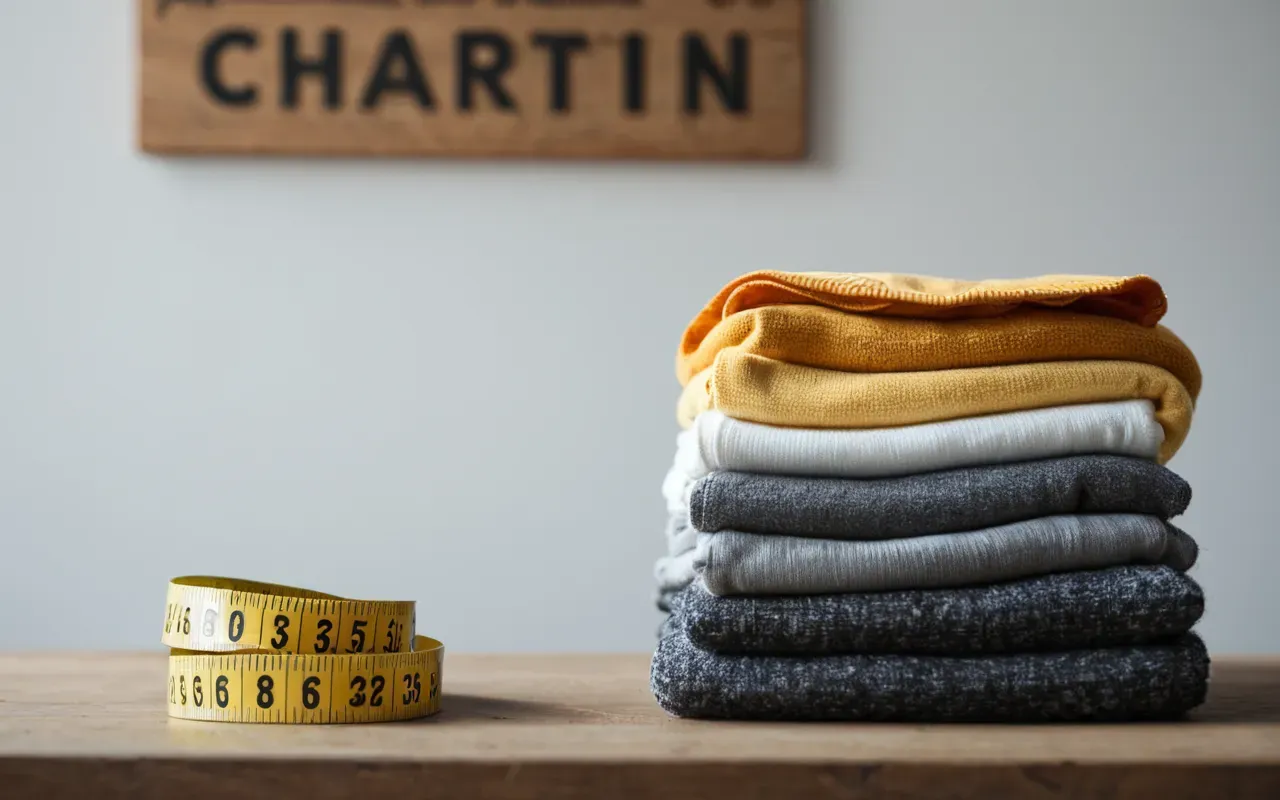
Size charts vary wildly between brands. A size six months in one store can fit like twelve months elsewhere.
Instead of trusting the number on the label, I measure chest and inseam before buying.
This single habit saved me from returns and frustration more than once in the last year.
What parents should stop believing about stylish infant wear in
One myth I keep seeing is that expensive always means better for babies.
A higher price often pays for marketing and packaging rather than softer fabric or stronger stitching.
Another myth is that matching everything looks more polished. In reality it just limits your options.
I have mixed simple pieces with one bold item and the look feels fresh without extra cost.
A practical checklist I now use before adding anything to my cart
First question. Can the baby move their arms and legs freely in this outfit?
Second. Can I change a diaper without fully undressing them if it is wet?
Third. Does the fabric feel smooth and cool when I rub it between my fingers?
Fourth. Will this still look good after ten washes or will it shrink and fade badly?
How to spot a quality garment without spending hours reading reviews
Check the inside seams. Smooth, flat stitching means less irritation on sensitive skin.
Look at the cuffs. They should stretch easily but return to shape without bagging.
If you want a deeper look at how fast fashion affects infant wear quality and longevity, this article on baby clothes size charts is useful because it explains where small design choices hide.
Why a calm and comfortable wardrobe beats a flashy one for daily life
A calm wardrobe reduces decision fatigue. You spend less time choosing and more time playing.
When clothes feel good on the child, they settle faster during naps and feedings.
That is the real win. Comfort is not a small detail in infant life, it shapes the whole day.
The simple test I use to decide if an outfit is worth keeping
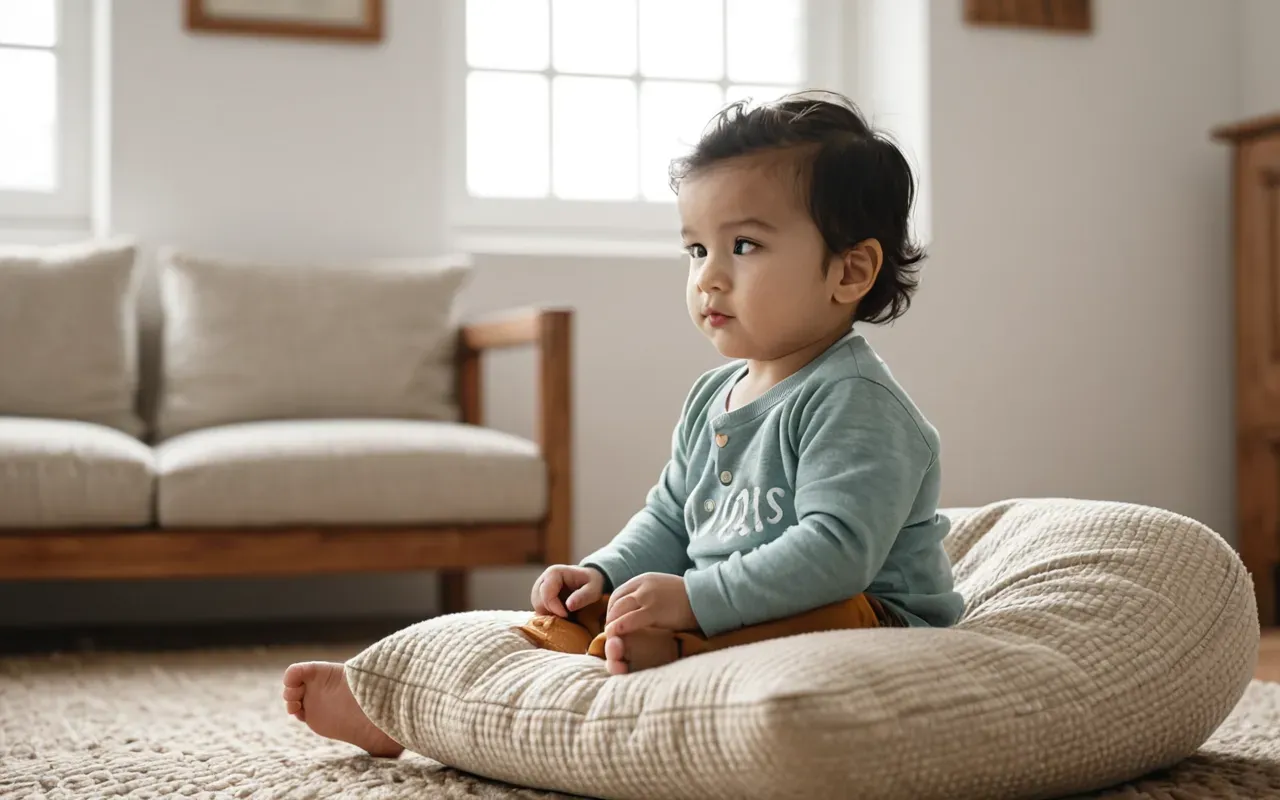
I put the garment on my toddler and watch for five minutes. Any fussing tells me more than any photo.
If they scratch at the neck or pull at a sleeve, that is data I should not ignore.
That five minute test has saved me from keeping pieces that looked cute but felt wrong.
How to make baby fashion feel personal without buying ten versions of the same idea
You can add personality through color pairing instead of extra purchases.
A plain soft top with a bright bottom creates a fresh look without new fabric waste.
If you want to see how affordable pieces can look intentional and stylish together, this piece on affordable fashion shows a similar principle applied to adults.
The takeaway I wish every parent heard before their first big shopping trip
Buy for the child in front of you. Not the one in a magazine or on social media.
Style is nice. But comfort and safety are the foundation that every good outfit should sit on.
If you keep those two things front of mind, your spending becomes smarter and your child feels better.