Why your toddler will refuse to wear that $85 designer bootie
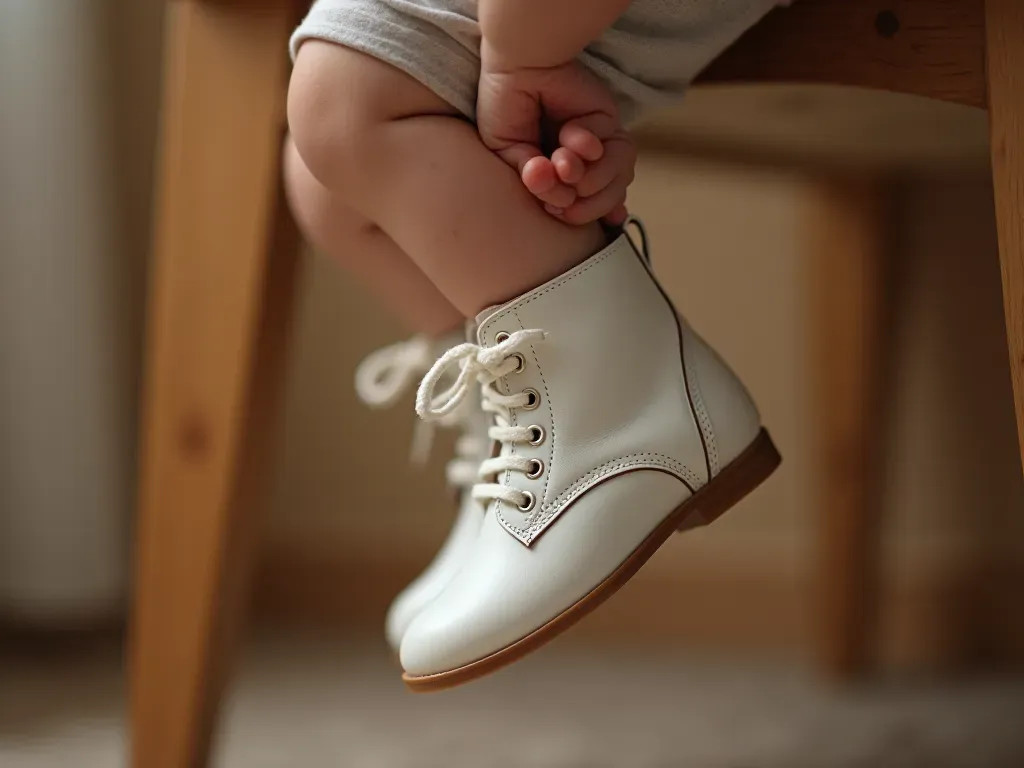
The $ bootie nobody ever wore
I remember the exact moment it happened. A pair of hand-stitched leather booties sat on my nightstand for three weeks. They cost more than a week of groceries. My toddler touched them once, kicked them off immediately, and never looked back.
We are living in a strange time. Luxury brands spend millions designing tiny items for humans who do not care about fashion yet. The industry sells us the dream of the perfect photo op. But reality is sticky, messy, and usually involves a diaper leak.
The gap between runway dreams and messy reality
Look at the current sales. Big retailers are pushing items like **animal-print flats** and **suede bags**. These look stunning in a studio shot. They do not survive contact with a toddler who wants to eat the floor.
There is a disconnect. Marketing teams want you to buy the aesthetic. Parents need items that can handle spit-up and dirt. The gap between these two needs is where our money disappears.
Why the industry keeps selling us perfection
It is not an accident that these items exist. Brands know we want to show off our kids on social media. They design for the camera, not the child.
I have seen it time and again. A parent buys a **satin dress** for a special occasion. The child refuses to sit still. The fabric wrinkles instantly. The photo takes forty tries.
The result is frustration. We feel guilty for not keeping the clothes pristine. But why should we? A baby is a human being in motion. They are not mannequins.
The psychology of the impulse buy
We see a **low-rise jean** for an adult and think it is cute. We buy the tiny version for our kid because we like how *we* feel when we look at them.
This is the trap. We are buying our own nostalgia and projecting it onto a child who just wants to crawl under furniture.
What actually works in the real world
I have tested dozens of items. The winners are always the same. Cotton tees that survive a wash at high heat. Pants with elastic waists.
Comfort is king. If your child can move freely and ignore the outfit completely, you have succeeded. That is the only metric that matters.
The hidden cost of fast fashion for infants
Cheap items break quickly. We buy more to replace them. This cycle feeds the industry that profits from our constant consumption.
It is not just about money. It is about waste. We are filling landfills with tiny plastic-coated fabrics that last one month.
How to shop without the guilt
Stop chasing trends. Buy basics in neutral colors that mix and match easily. Save your money for experiences instead of clothes.
If you want to see how this plays out in real life, check out this story about a mom who learned the hard way. It hit close to home for me.
The truth about size charts and growth spurts
Size charts are a joke. A six-month-old in one brand is different from a six-month-old in another. I have measured the same child and gotten three different results.
This forces us to buy in bulk. We hedge our bets. The result is a closet full of clothes that fit no one properly.
It is a financial leak we never notice. We think we are saving by buying cheap items. In reality, we are wasting money on things that do not fit.
The environmental footprint of our choices
Every item we discard adds to the problem. The fashion industry is one of the largest polluters in the world.
We can change this. Choose quality over quantity. Buy second-hand when you can. It is the only way to break the cycle.
What I wish someone had told me before becoming a parent
Your child does not need to look like an advertisement. They just need to be warm and comfortable.
The photos will fade in a few years. The memories of your child laughing and playing are what matter.
Stop trying to curate a life for them. Let them be kids. It is easier on your wallet and their spirit.
A practical guide to saving money on baby wear
Wait for sales. Do not buy immediately when something drops. Prices drop significantly within a few weeks.
Shop with friends. Swap clothes that no longer fit. It is free and sustainable.
If you are looking for more ideas on how to avoid the marketing traps, see this guide on hidden traps in online sales.
The future of baby fashion is in your hands
We are the generation that can change this. We have the information and the power to vote with our wallets.
Choose brands that care about people and the planet. Support small makers who make quality items.
It is not about being perfect. It is about making better choices for the next generation.
Small changes that make a big difference
Buy one less. Repair what you have. Donate gently used items.
These small acts add up. They send a message to the industry that we are done with waste.
How to talk about this with your partner or family
It can be a sensitive topic. Frame it as saving money and reducing stress.
Show them the data on waste. People respond to facts and shared values.
If you want more insights on how cultural shifts are influencing our choices, read about baby fashion as a reflection of culture.
Final thoughts on the state of baby clothing today
The industry is changing. But it is slow. We need to push for faster change.
We have the power. Use it wisely. Your child will thank you.
Let us build a world where style does not come at the cost of our planet or our sanity.