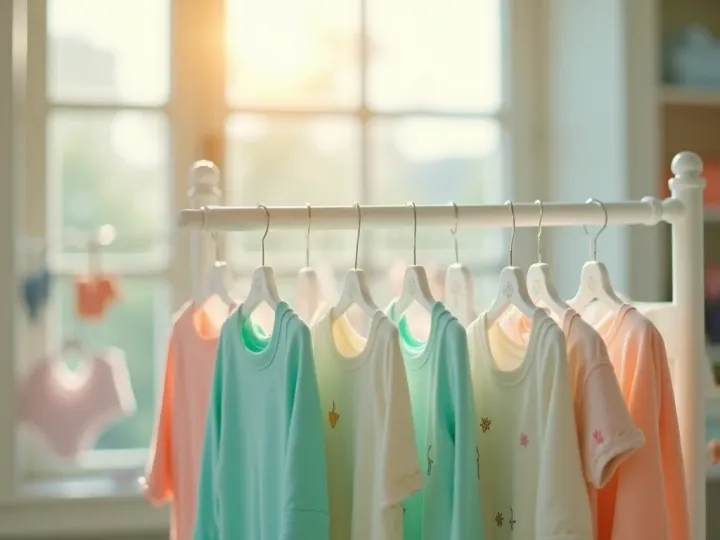
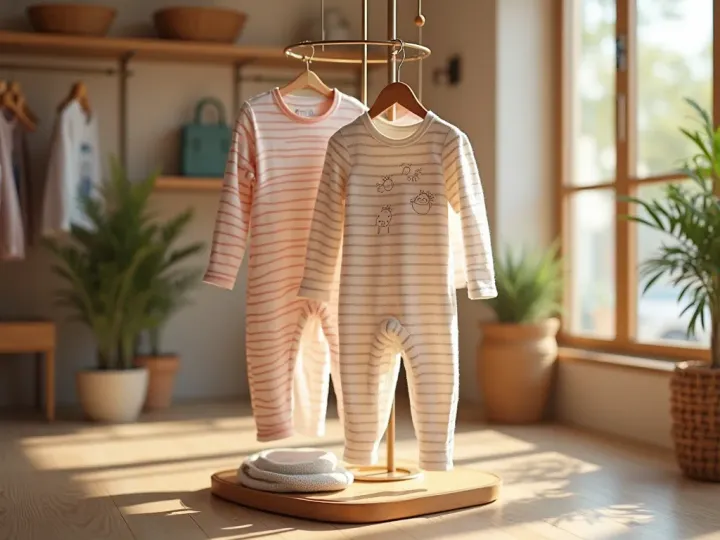
The hidden danger hiding in your newborn's hand-me-downs
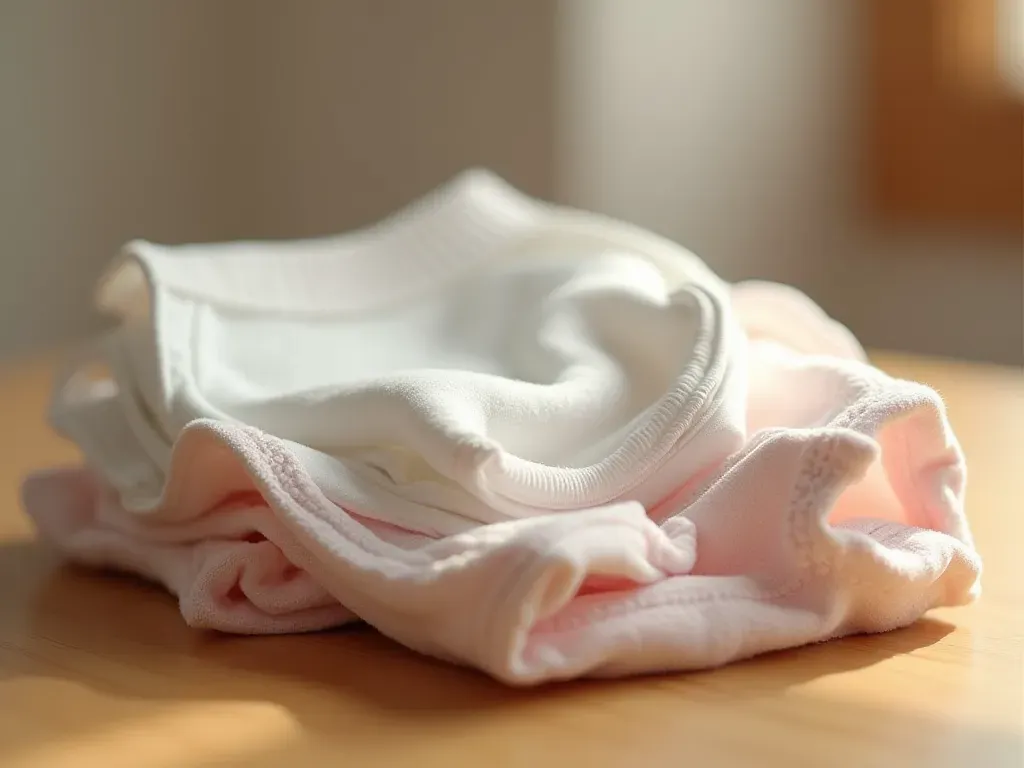
The $ Wardrobe That Doctors Actually Prefer Over Brand New Outfits
I used to think buying new was the only way. Then a senior pediatrician set me straight. Turns out the safest clothes aren't always the ones with tags.
Look at this. We spend hundreds on tiny outfits that get worn twice. Yet the real risk is hiding in plain sight inside your own closet. And it has nothing to do with age.
Why New Does Not Mean Clean
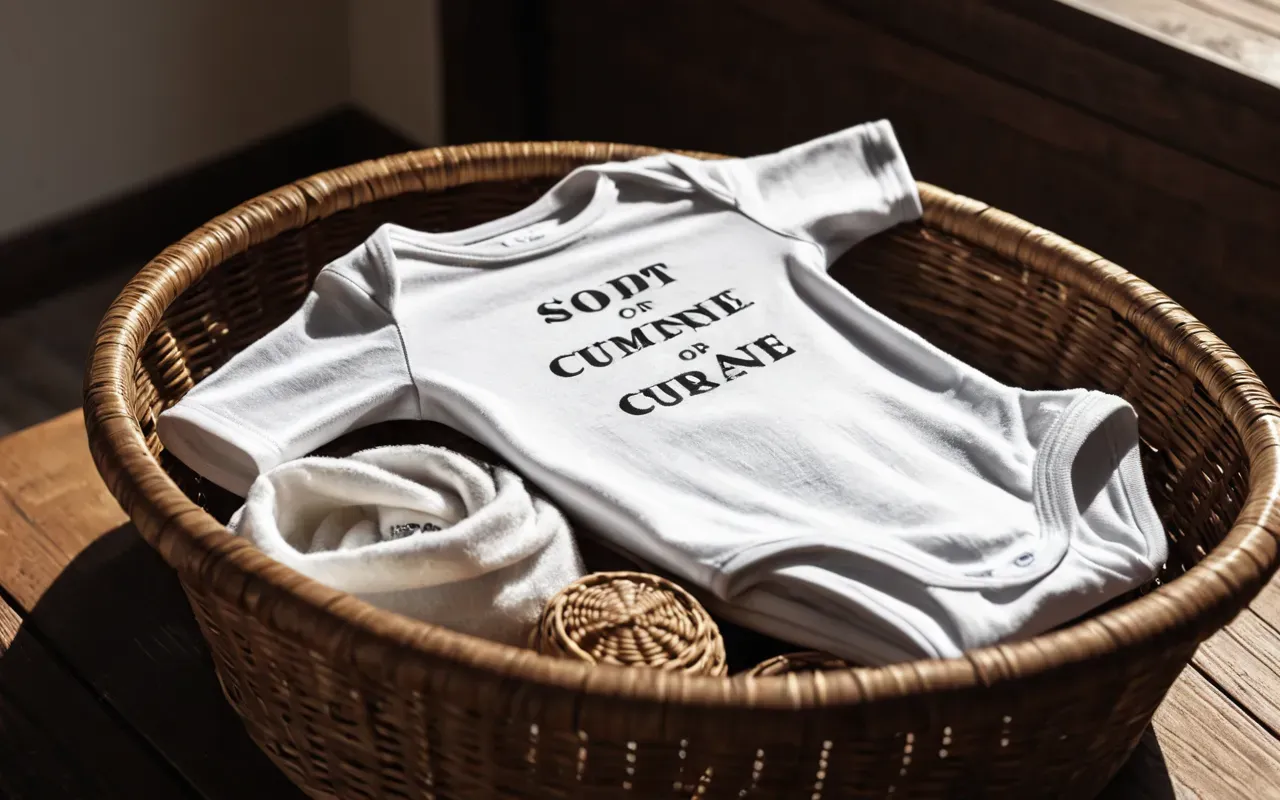
Here's the thing. A fresh tag says nothing about hygiene. Dust and oils build up over time in storage boxes. New clothes can hold factory chemicals that irritate skin.
So why do we assume new is better? It's a marketing trick. Brands sell the idea of purity through packaging. But your baby's skin cares about fabric condition and cleanliness only.
The Single Check That Separates Safe From Dangerous Hand-Me-Downs
Dr. Somalika Pal from Cloudnine Hospital says it bluntly. You must check for mold and damp smells before use. This is the one sign that ruins everything else about the garment.
And it is not just a smell test. You need to look for discoloration and stiffness. Damp storage creates perfect conditions for fungal growth that washing may not fully remove.
What Pediatricians Actually Look For in Second-Hand Garments
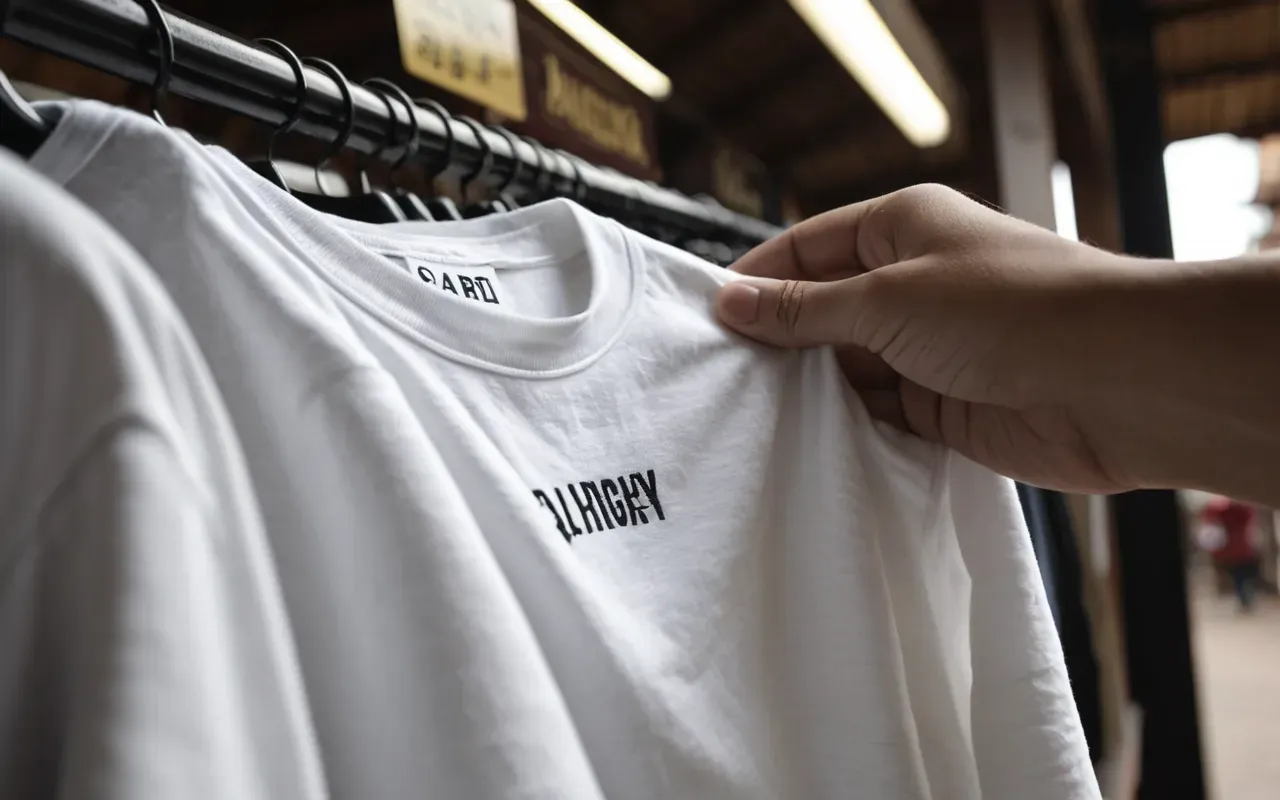
They focus on fabric integrity first. Loose threads can tangle with fingers. Broken buttons pose choking hazards for infants under three months old who put everything in their mouths.
Rough seams are another red flag. Newborn skin is thinner and more permeable than adult skin. Friction from damaged fabric can cause micro-abrasions that lead to irritation or infection.
The Washing Mistake That Makes Clean Clothes Worse Than Dirty Ones
Here is where most parents fail. They use harsh detergents and fabric softeners. These products leave residues that trap against sensitive skin. The American Academy of Pediatrics warns about this specifically.
You do not need disinfectant. A simple rinse with mild detergent and hot water is enough. The goal is removing dust and oils, not creating a sterile medical environment that does not exist in daily life.
Why Fabric Type Matters More Than Brand Name
Nylon and polyester trap heat against the skin. Cotton breathes and wicks moisture away from tiny bodies that cannot regulate temperature well yet in their first months of life.
Old cotton often gets softer with repeated washing. This is actually a benefit for delicate skin. New synthetic blends can feel scratchy or cause overheating during sleep hours when babies are most vulnerable.
When Hand-Me-Downs Become a Health Risk You Did Not Know Existed
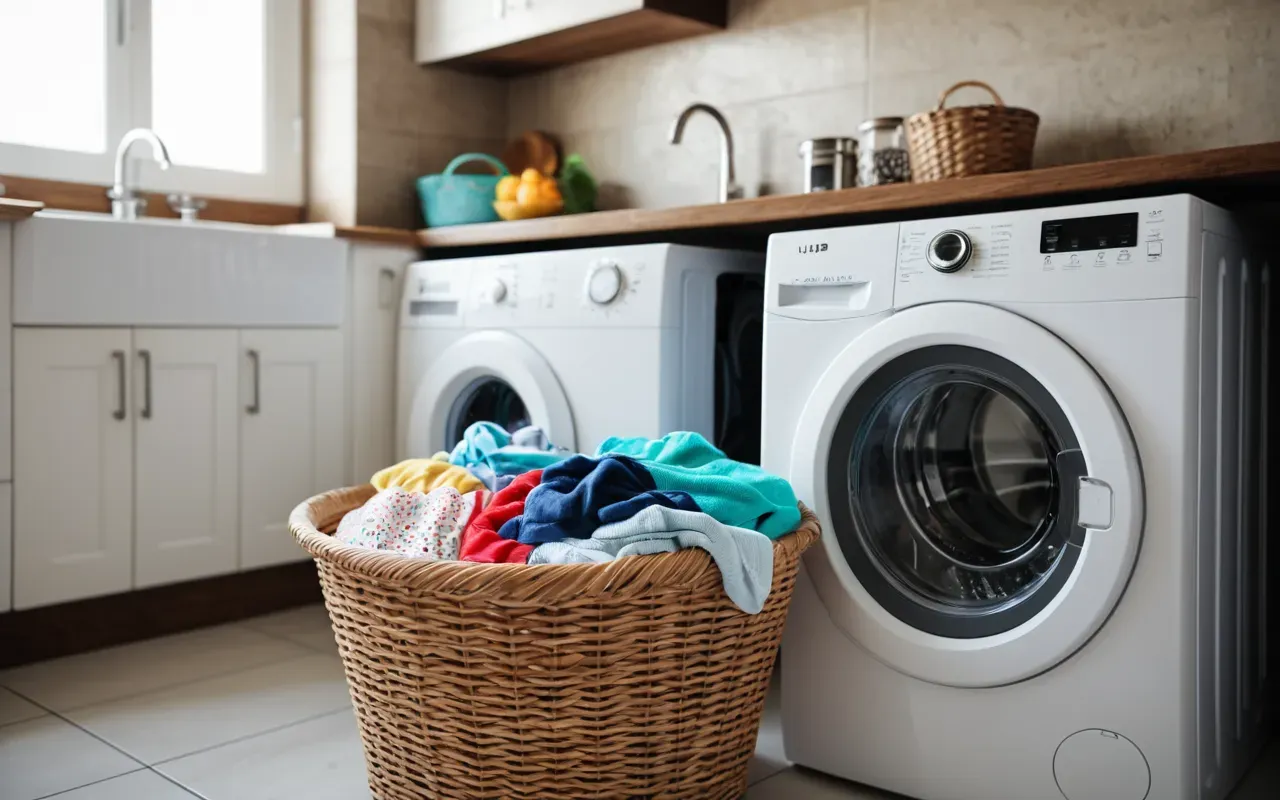
This is the part nobody talks about. Clothes from a sick child carry more than just germs. They may hold traces of medications or bodily fluids that standard washing does not eliminate completely.
If the previous owner had an infectious disease, discard the garment. Do not try to save money by reusing what could expose your newborn to pathogens they cannot fight off due to immature immune systems.
The Skin Barrier Science Behind Newborn Vulnerability
Research from shows infant skin continues developing for months. The stratum corneum layer is thinner and more permeable than adult skin by a significant margin in the first six weeks.
This means everything touches their bloodstream easier. Detergent residue and fabric dyes penetrate deeper than they would on older children or adults making material choice critical for health protection.
The Real Cost of Buying New When Used Is Actually Safer
Let's talk numbers. A quality organic cotton onesie costs $ to $ at major retailers. You need about fifteen of these for a newborn through six months according to pediatric guidelines.
That is $ to $ for items worn briefly. Hand-me-downs cut this cost dramatically while often providing better softness after multiple washes that break in the fabric over time.
How to Tell If a Donation Is Worth Keeping or Discarding
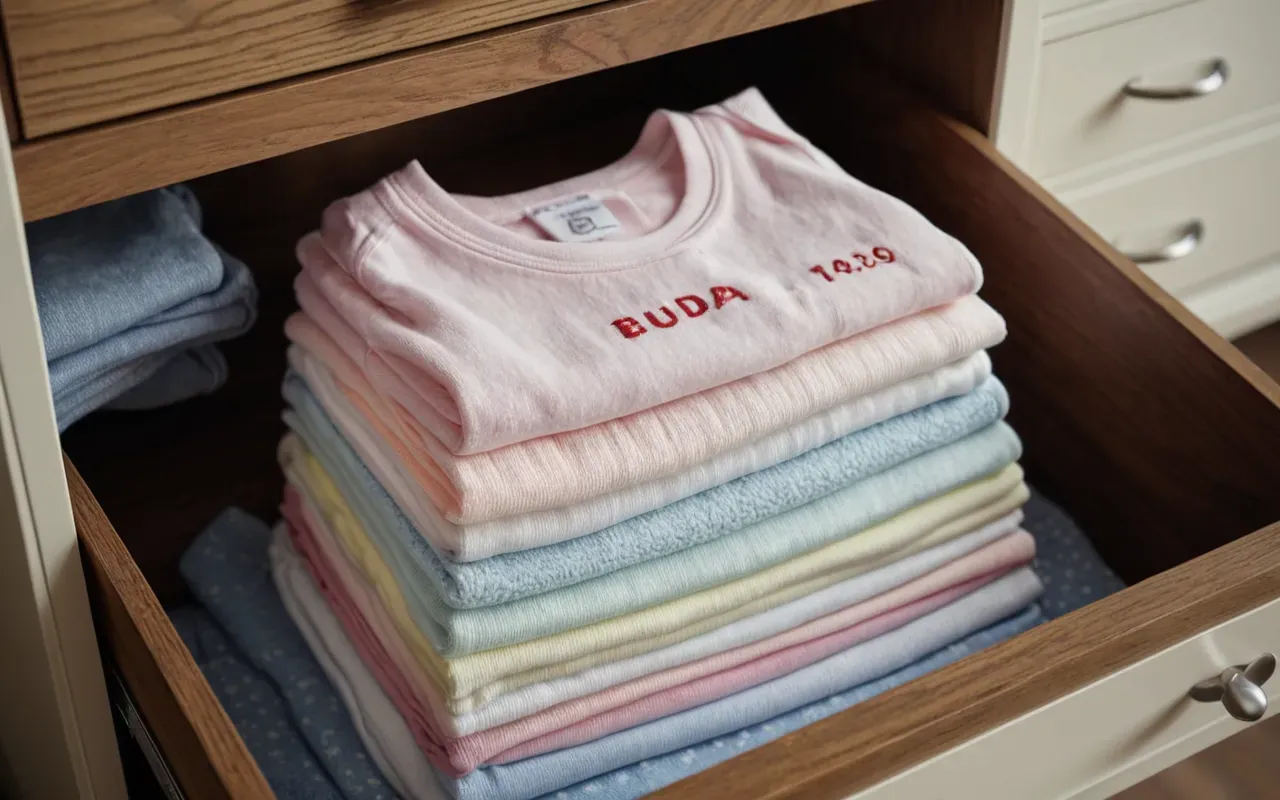
Smell it first. Any musty odor means discard immediately no matter how pretty the outfit looks visually to you or your family members who gave it.
Check elastic bands for stretching. Damaged rubber loses grip and can roll down leaving skin exposed to air or friction from other garments causing discomfort during long wear periods.
What Pediatricians Wish Parents Knew Before Dressing Their Newborns
Stop obsessing over brand names. Focus on fit and fabric quality instead. A well-fitting hand-me-down cotton shirt beats a poorly fitting expensive designer piece every single time for comfort.
And remember this crucial point. Babies grow fast. You will outgrow most newborn items within weeks not months so investing heavily in small sizes is often wasted money on fleeting use.
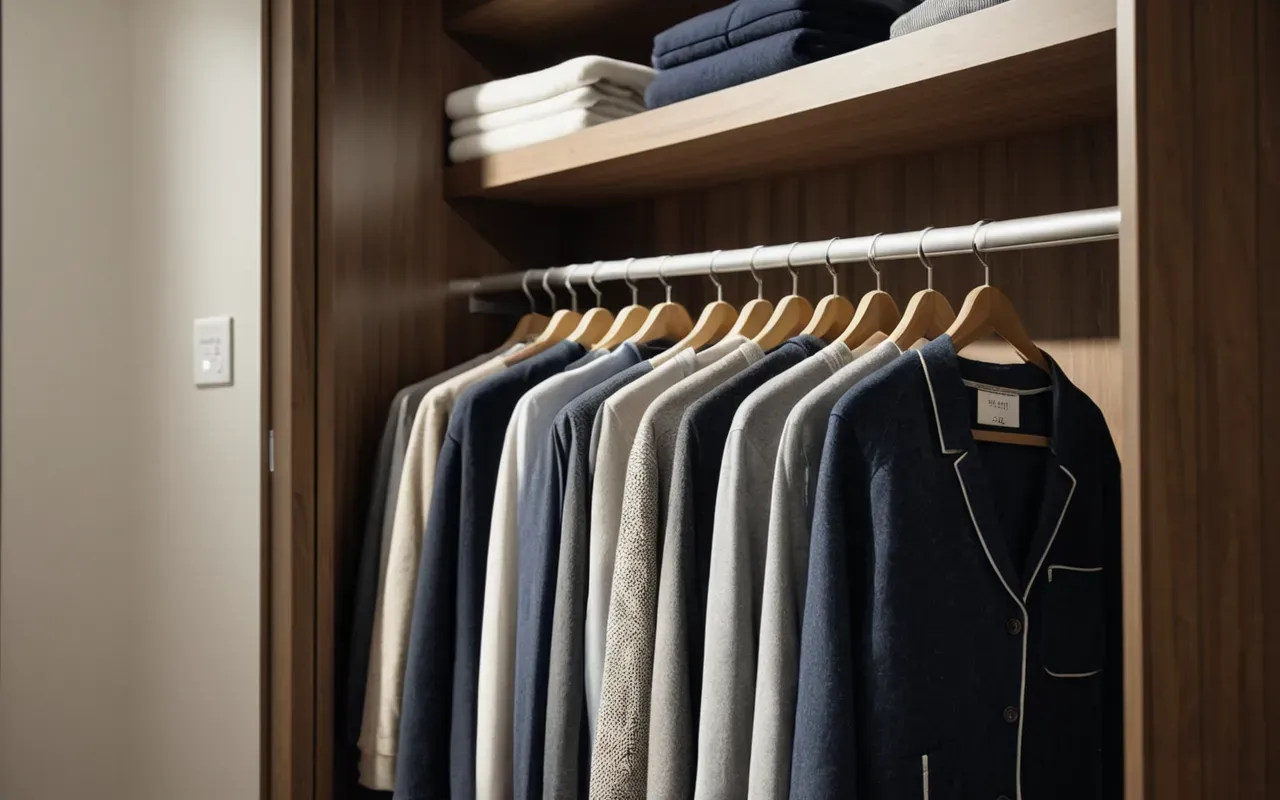
The Storage Mistake That Ruins Perfectly Good Clothing
Damp basements and unventilated closets are enemies. Humidity breeds mold spores that settle into fabric fibers where they persist even after washing cycles at home.
Store clothes in dry areas with good air circulation. Use cotton bags instead of plastic containers that trap moisture against fabric surfaces creating ideal conditions for bacterial growth.
The Hidden Truth About Baby Skin Reactions Parents Mistake for Allergies
That red rash is probably not an allergy. It's likely friction or residue irritation from poorly washed fabrics touching sensitive areas repeatedly throughout the day.
Switch to freshly washed cotton and see if it clears. If redness persists after changing garments consult your pediatrician rather than assuming dietary issues or environmental factors.
When to Stop Using a Garment Immediately for Safety Reasons
Visible mold means throw it out now. Do not attempt aggressive washing to salvage what is essentially contaminated with organisms your infant cannot safely handle.
Torn seams that expose inner layers create snagging hazards. Thin fabric offers no protection against scratches or cold air exposure making it unsuitable for daily wear.
Why Modern Parents Are Reconsidering the New Clothing Mandate Completely
There is a growing movement toward practicality over prestige. Parents are realizing that environmental impact and child comfort matter more than social expectations around new purchases.
The NHS explicitly states second-hand is acceptable. Medical guidelines support this view based on evidence of proper washing being sufficient for hygiene purposes in most cases.
Building a Practical Wardrobe That Actually Works for Daily Life
Focus on quantity over quality initially. You need enough changes for accidents and spills without overspending on items that will be outgrown in weeks of rapid growth.
Mix new and used pieces strategically. Keep expensive items for special occasions where they will be photographed rather than worn daily through routine activities.
The One Question Every Parent Should Ask Before Buying Baby Clothes
Will this item be comfortable for twelve hours straight? If the answer is no then it fails its primary purpose regardless of how cute or expensive it appears to others.
Comfort beats aesthetics for newborns. They cannot articulate discomfort so you must observe behavioral cues like fussiness or sleep disruption to gauge whether clothing works.
Reading Between the Lines on Fabric Care Labels for Safety Clues
Look for natural fiber content percentages. Higher cotton or wool ratios generally mean better breathability and less chemical treatment during manufacturing processes.
Avoid garments requiring dry cleaning only. These often contain residual chemicals from treatments that can transfer to skin during extended contact periods throughout the day.
What Happens When You Skip the Washing Step for Used Clothing
You introduce unknown variables to your infant's environment. Dust mites and bacterial colonies from previous storage or wear can trigger respiratory issues in vulnerable newborns.
The risk is not dramatic but cumulative. Repeated exposure to unclean fabrics over weeks can weaken skin barriers and increase susceptibility to infections during critical development phases.
The Washing Temperature That Actually Kills Harmful Organisms
Hot water above sixty degrees Celsius kills most bacteria and viruses effectively. Cold washes may remove dirt but leave microscopic pathogens intact in the fabric structure.
However hot water can shrink delicate fabrics. Balance temperature with fabric type by checking care instructions before selecting your washing cycle for optimal results.
The Surprising Benefit of Older Cotton That New Parents Never Consider
Repeated washing breaks down stiff finishes and makes fibers softer. This pre-softened state reduces friction against newborn skin significantly compared to brand new rigid fabrics.
Think of it like breaking in leather shoes. The process removes harshness and creates a gentler surface that conforms better to small body shapes without irritation.
How to Soften New Cotton Clothes Before First Wear on Your Baby
Wash twice before the first use. That gets rid of manufacturing residues and softens the fibers naturally, and it mimics the effect of previous wear without any of the health risks that come from unknown sources.
Skip fabric softeners entirely. They coat fibers with chemicals that cut down absorbency, and over time they can leave irritating residues against sensitive infant skin.
Why Pediatricians Are Quietly Encouraging Hand-Me-Downs Over Store Buys
It takes financial pressure off new families already dealing with unexpected expenses. Less money stress means more emotional bandwidth for bonding and care — and that has a real, positive effect on a child's development.
It also normalizes practicality over consumerism. Teaching sustainability and thoughtful consumption starts small, with how we approach even the tiniest purchases for our kids.
The Environmental Impact of Buying New Versus Reusing Clothes Daily
Textile production eats up enormous amounts of water and produces chemical runoff. Extending a garment's life through careful use shrinks that footprint substantially over the lifetime of each piece.
Landfill accumulation from short-lived fashion items keeps growing. Reusing quality garments keeps them in circulation longer and out of the waste streams harming ecosystems.
The Final Check Before Putting Any Hand-Me-Down on Your Newborn Today
Smell for dampness and mustiness. Check seams and buttons for damage. Then wash in hot water with mild detergent before it ever touches your child's delicate skin.
Trust your senses over brand perception. If something feels off about the fabric or the smell, discard it without hesitation — your baby's safety and comfort come first.
Building Confidence in Your Choices as a New Parent Right Now
You are not failing by choosing hand-me-downs. You are being practical and protective in ways that align with medical guidance on infant care standards.
The best outfit is the one your baby can sleep in comfortably without irritation. That standard matters far more than any label or price tag attached to it.
What This Means for Your Next Baby Shopping Trip Tomorrow Morning
Bring a checklist of what to inspect rather than relying on visual appeal. Ask previous owners about storage conditions and any known issues with the garment's history.
Prioritize cotton blends over synthetics. Look for pre-owned items from trusted sources where you can verify cleaning history before bringing them home to your infant.
Creating a Routine That Makes Hand-Me-Downs Feel Like Premium Quality
Treat each garment with the same care you would give new purchases. Proper washing and storage maintain their integrity and extend usable life for future siblings or donations.
Photograph your favorite pieces before they wear out. These memories capture moments that matter more than any clothing item ever could in your family history.
The Bottom Line on Whether Old Baby Clothes Are Truly Safe for Infants
Yes, they are safe if inspected and washed properly. The danger lies in skipping checks, not in the age of the garment itself — your newborn's well-being depends on your diligence.
Clean and maintained beats new but neglected every single time. Your baby's comfort depends on your attention to detail, not the price you paid for fabric.