The cheap baby clothes that fail after three washes are actually saving your wallet
The Durability Myth That Cost Me Money and Sanity
Most parents assume sturdiness equals value. We pay extra for thick fabric and reinforced seams because we think it saves us time. But I was wrong about the most important factor in infant apparel shopping.
I recently compared two major retailers side by side. One offered rock solid fabric that survived daily washing cycles without a single thread fraying. The other was half the price but started to look worn after just three trips through the machine.
Here is the thing nobody tells you. Babies outgrow small sizes faster than we expect. The clothes that need to last a month are not the same ones that only see two wears before they sit in a drawer.
Why Expensive Basics Do Not Always Win The Wash Test
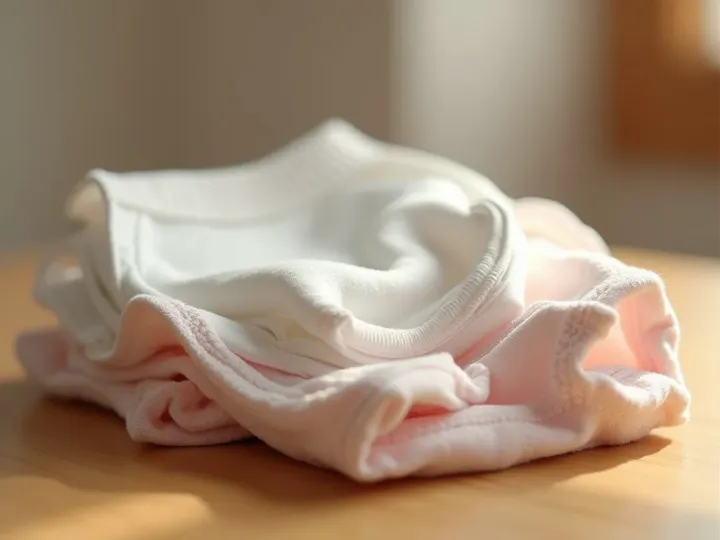
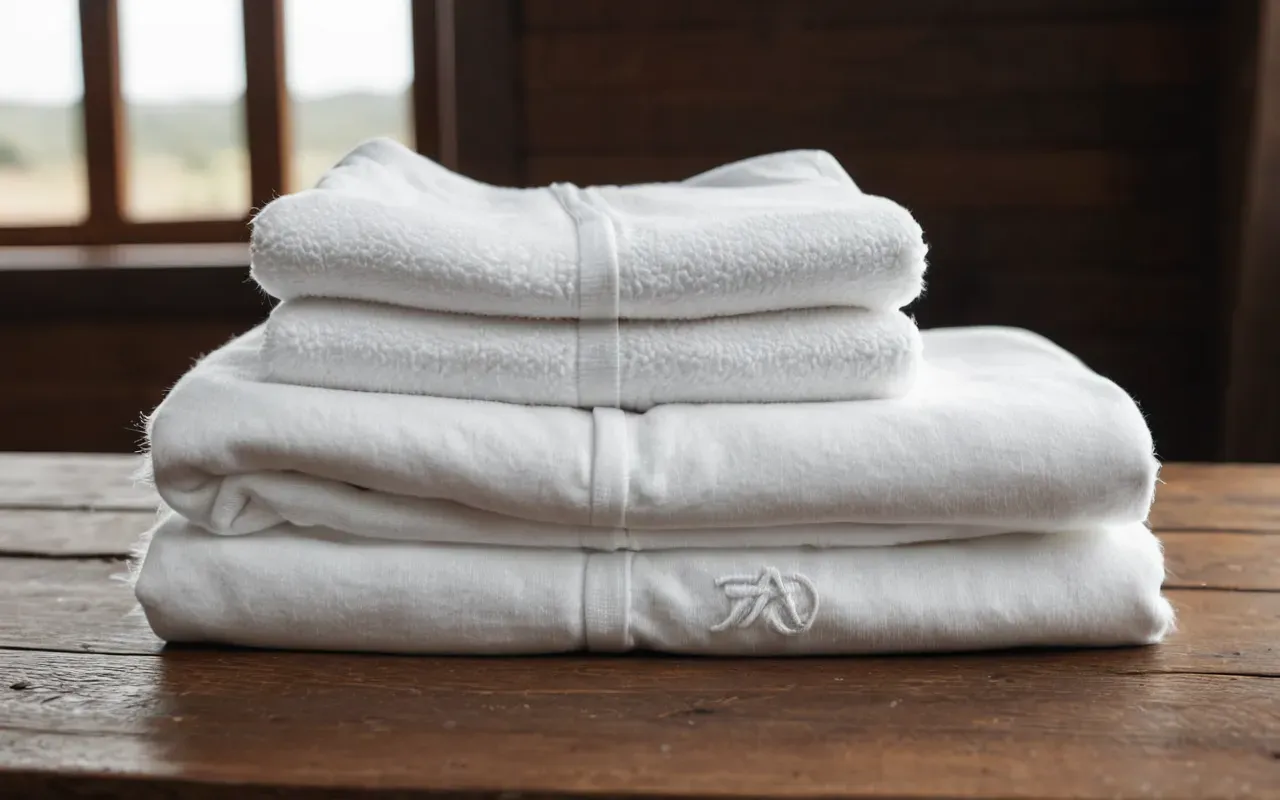
I bought a bundle of plain white undershirts from the premium brand. The fabric felt heavy and substantial in my hand. After two weeks of aggressive washing, they still looked new.
But there was a hidden cost. The plain design made it impossible to tell the front from the back. My husband put one on inside out twice before I caught him. It felt embarrassing and inefficient.
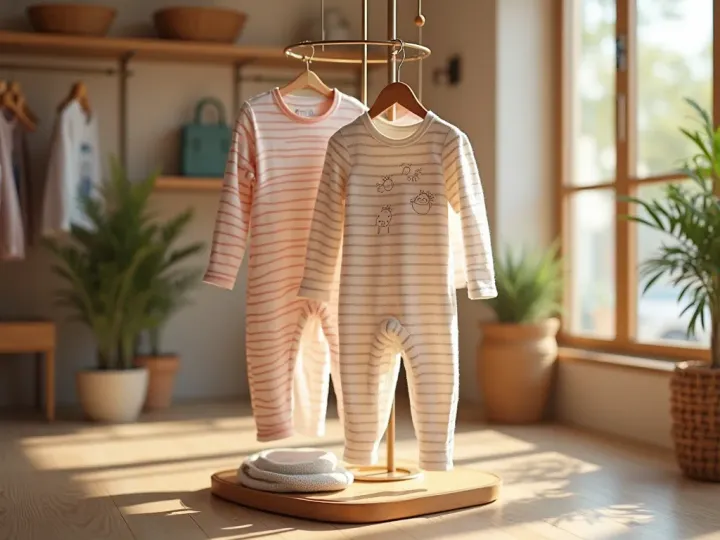
I switched to patterned versions after that. The durability was the same but the mental load dropped instantly. You never wonder if you are making a mistake when there is an obvious right side.
The Cheap Alternative That Surprised Me With Its Weakness
I bought two shirts from the budget store for the price of one premium shirt. The initial quality felt acceptable to me at first glance. They were soft and light enough for a newborn.
Then the washing started. After just three cycles, the buttons began to pull away from the fabric. The collars stretched out until my baby tummy peeked through in the middle of the day.
Fraying appeared at every seam within a week. It looked messy and uncomfortable for the baby to wear. I had to toss them out before they fell apart completely.

The Hidden Economics of Infrequent Wear Items
This is where the math changes. I only wore my baby in size sixty for two specific occasions. Leaving the hospital and the one month checkup were the only times I needed that tiny fit.
Buying premium durability for two wears is pure waste. The budget option was perfect because it did not matter if the fabric wore out quickly since I never washed them more than once or twice.
Think about your own routine. How many times will you actually use a specific size? If the answer is under ten wears, do not pay for extra durability.
What This Means For Your Next Shopping Trip
We often overthink this part of parenting. We want everything to be perfect and long lasting because we love our children so deeply. But practicality should drive some decisions.
If you are looking for daily wear that gets washed multiple times a week, spend the extra money on quality. If it is just for special moments or hospital stays, save your cash.
I am now exploring other brands for going out clothes. The principles remain the same though. Match the quality to the usage frequency and you will never regret your spending.
A Note On Passing Clothes Down To Siblings
The premium shirts are already in a drawer for my future second child. They look brand new because of their durability. That is the real value I am seeing now.
If you have a large family coming, the long term cost of durable basics becomes clear. You buy once and use it for two different babies over several years.
For single parents or those without siblings on the way, that argument weakens significantly. You might be better off spending less and replacing items as they wear out naturally.
The Broader Lesson About Consumer Choices in Parenting
We are taught that more expensive means better. This assumption drives most of our spending habits in the first year of a child's life. It feels safer to buy the premium option.
But data from my own closet suggests otherwise. The best value often comes from matching the product's lifespan to your actual need. Nothing more and nothing less.
I have seen many parents struggle with this exact dilemma. They end up with a closet full of high quality items that never get worn because the child outgrew them too fast.
Questions I Wish Someone Had Asked Me Before Buying
How many times will I wash this specific item? Is it for daily use or special occasions only? Does the fabric hold up after ten cycles?
These questions changed my entire approach to shopping. I stopped looking at price tags as the primary indicator of quality and started thinking about frequency instead.
If you are currently preparing for a new arrival, try asking yourself these things. You might save hundreds of dollars in the process without sacrificing comfort.
Final Thoughts On Finding The Right Balance For You
There is no single right answer for every family. Your budget your child's growth rate and your personal style all play a part in this decision.
I still prefer the premium brand for daily wear. But I will never buy it again for one time events. That simple shift saved me money and reduced my stress.
Remember that your goal is to keep your baby comfortable and happy. The brand name on the tag does not matter nearly as much as how the fit feels.
Make your own comparisons and trust your instincts. The best advice comes from real experience with your specific child's needs.
If you are looking for more insights on this topic check out why your baby's wardrobe is probably overkill. It offers a different perspective that might resonate with you.

The conversation about infant fashion is rarely this direct. We usually focus on trends and colors rather than the practical mechanics of fabric care.
By shifting our focus to durability versus frequency we can make smarter choices. It is a small change that has a big impact on your monthly budget.
I hope this honest review helps you navigate your own shopping journey. Trust the data from your own experiences and do not let marketing dictate your spending.
Let me know in the comments if you have had similar experiences with different brands. Your stories might help another parent make a better decision today.
Thank you for reading this detailed breakdown. I appreciate your time and hope it brings some clarity to the often confusing world of baby shopping.