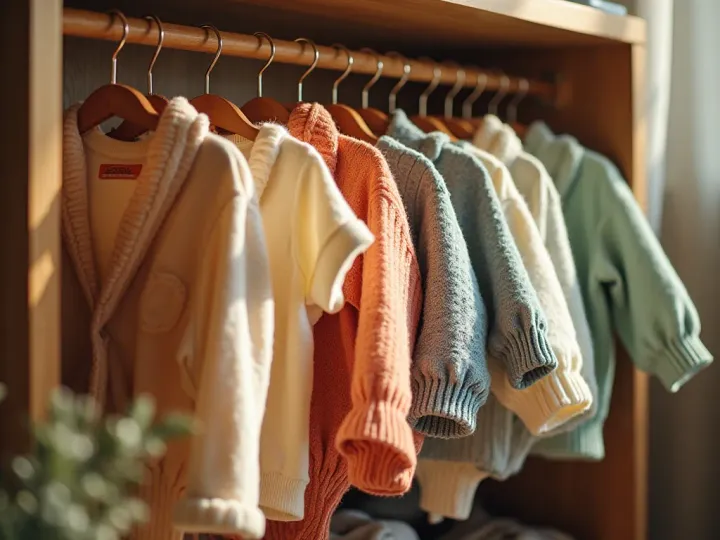
Why Doctors Are Telling You to Ignore That Brand New Baby Closet

The Myth of Brand New Hygiene
We're conditioned to believe that new means clean. In the world of infant apparel, that assumption is dangerously flawed. Last month I stood in a department store, staring at rows of pristine onesies. The price tags stung. Then I looked closer.
Here's the thing. A brand new garment often carries chemical residues from manufacturing. And those chemicals can linger even after a single wash cycle. For delicate infant skin, that might be more irritating than well-washed cotton.
Pediatricians are shifting their advice. The age of the fabric matters less than its current state — a soft, pre-washed hand-me-down is often the better call for comfort and safety.
What the Medical Data Actually Shows
Dr. Somalika Pal from Cloudnine Hospitals in New Delhi offers a blunt perspective. She states that there is no general requirement for newborns to wear only new clothes. That directly contradicts the marketing push by major retailers.
The American Academy of Pediatrics backs this view. They recommend washing clothes before use because we often do not know who handled them previously. Practical safety measure — not a hygiene mandate for new items.
A review on infant skin barrier function highlights that newborn skin is still developing. It becomes more similar to adult skin as the child matures. This biological reality dictates what fabrics are safe.
The Role of Fabric Softness
Repeated washing often makes cotton garments softer. Big advantage for previously worn items. Lightweight cotton stays breathable and comfortable even after multiple cycles.
Dr. Pal notes that softness is a key indicator of suitability. If the fabric feels rough against your own skin, it will likely irritate a newborn. Always perform this tactile check before use.
Why New Clothes Can Be a Trap
New clothing often contains stiffeners and dyes. These additives can leach out during the first few wears. That poses a higher risk of contact dermatitis in sensitive infants.
If you are curious about the toxic secret hiding on that brand new baby outfit, it is worth investigating before purchase. The chemical load varies by manufacturer.
The Critical Hygiene Checklist
Not every old garment is safe. You must inspect each piece carefully before it touches your baby's skin. Takes only a few minutes — but it prevents potential harm.
Checking for Mold and Moisture
Mold spores are a serious concern. They thrive in damp environments and can cause respiratory issues or skin rashes. Smell each garment carefully for any musty odor.
Detect a damp smell? Discard the item immediately. Do not attempt to bleach or air dry it out. The spores may have penetrated deep into the fabric fibers.
Inspecting Fasteners and Threads
Loose threads can become a choking hazard or cause tangles. Broken buttons pose an even greater risk of ingestion. Check every seam and buttonhole thoroughly.
Elastic bands that have stretched out will not fit properly. They may dig into the skin or fail to hold pants up. That creates discomfort and potential irritation.
Washing Protocols That Actually Matter
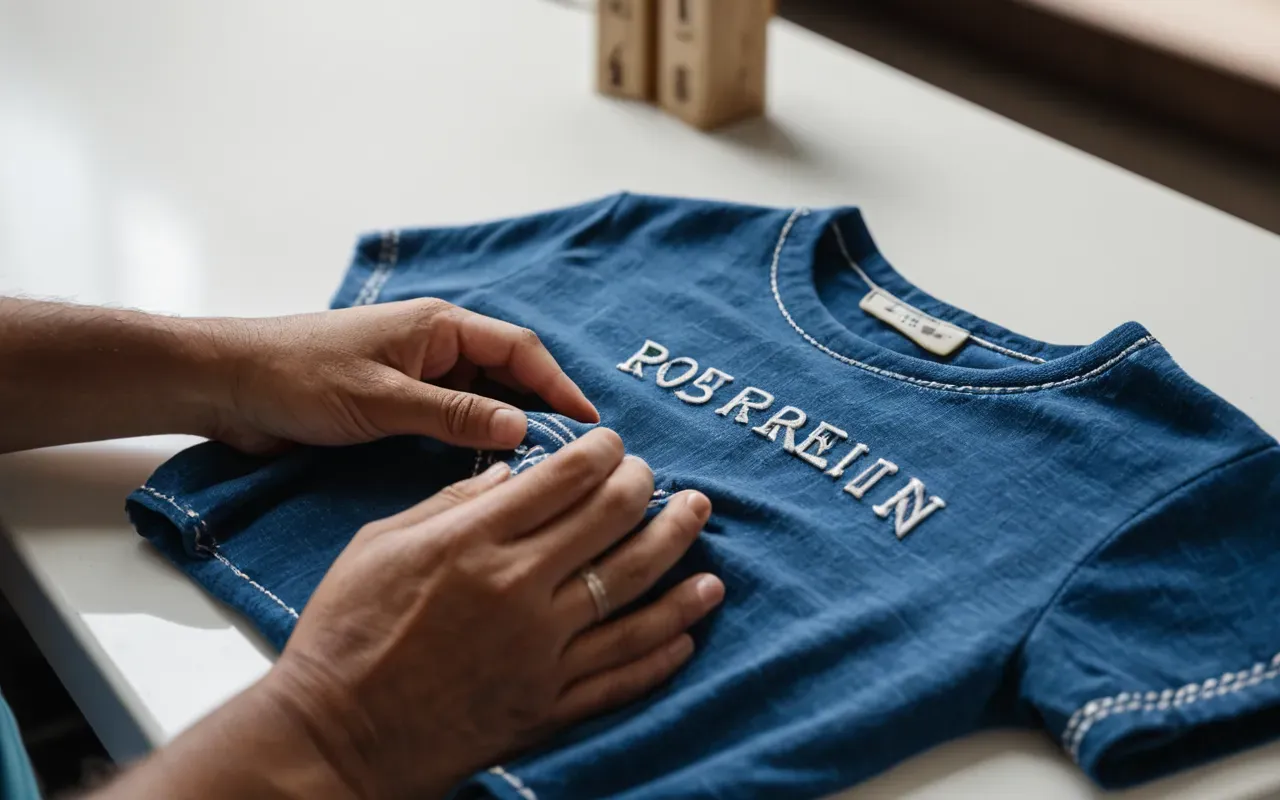
Aggressive cleaning is not necessary. You do not need industrial disinfectants for every garment. A standard wash cycle with a gentle detergent is sufficient for most items.
Rinsing properly is key. Residue from detergents can irritate skin more than the dirt itself. Run an extra rinse cycle if you use liquid soap or fabric softeners.
Drying completely is non-negotiable. Moisture trapped in the fabric creates a breeding ground for bacteria and mold. Air dry or use a dryer until fully dry.
Handling Contaminated Garments
If clothes are soiled with bodily fluids or come from an ill child, wash them separately. Use hot water if the fabric allows it to kill potential pathogens.
Dr. Pal advises against reusing clothes that cannot be cleaned properly. If you are unsure about the cleanliness level, it is better to discard them entirely.
The Economic and Environmental Angle
Buying new clothes for every size is expensive. Babies grow rapidly and outgrow items within weeks or months. Hand-me-downs offer significant financial savings.
The environmental impact of fast fashion is also substantial. Textile waste fills landfills at an alarming rate. Reusing clothes reduces this ecological footprint.
Consider the cost per wear. A new outfit worn three times is more expensive than a hand-me-down worn twenty times. This logic applies to almost every category of infant apparel.
Common Misconceptions About Age
Many parents believe old clothes are inherently dirty. Misconception — rooted in marketing rather than science. Cleanliness is determined by maintenance and storage.
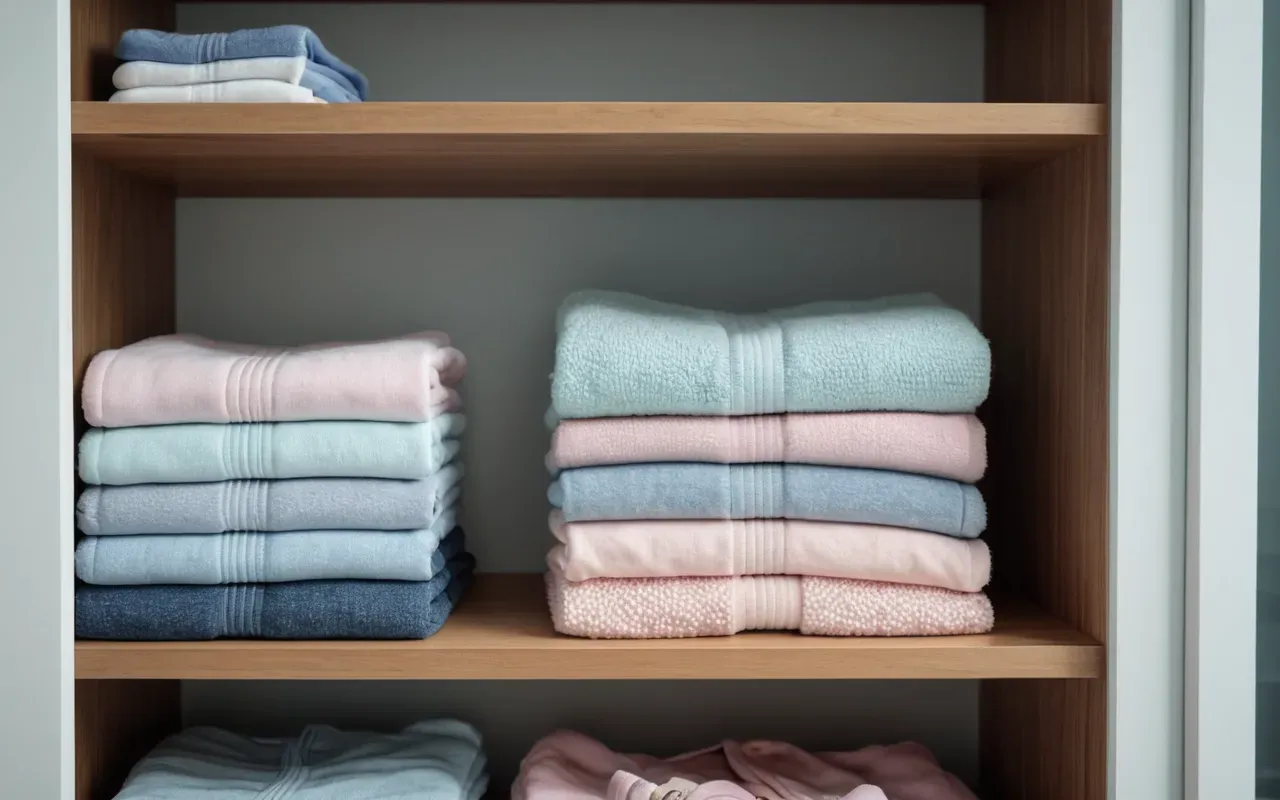
A garment stored in a dry, sealed container for two years can be just as hygienic as one bought yesterday. The key is preventing moisture and dust accumulation.
If you are wondering about why your baby's wardrobe is probably overkill, this perspective helps clarify the issue. You do not need an excess of items.
The Psychological Comfort Factor
Some infants respond better to the softness of pre-washed fabrics. The texture is gentler and less likely to cause fussiness during sleep or feeding.
Parents often report that their babies settle more easily in hand-me-downs. Anecdotal, sure — but it aligns with the physical properties of softened cotton.
Practical Steps for New Parents
Start by sorting any hand-me-downs you have received. Divide them into a keep pile and a discard pile based on the checklist provided earlier.
Wash all kept items in a gentle cycle. Use a fragrance-free detergent if your baby has sensitive skin. Ensure they are completely dry before storage.
Store them in a clean, dry place. Zip-lock bags or sealed containers work well for long-term storage. Avoid basements or attics that may fluctuate in humidity.

When to Avoid Hand-Me-Downs Entirely
There are specific scenarios where new clothes are the only safe option. If a garment has been exposed to smoke or strong chemical odors that persist after washing, do not use it.
Items with visible damage to the fabric structure should also be avoided. Thin or torn material offers little protection against scratches or environmental irritants.
If you are unsure about the history of a garment, err on the side of caution. Your baby's health is not worth the risk of potential irritation or infection.
The Future of Infant Apparel Standards
Regulations regarding baby clothing safety are evolving. Manufacturers are beginning to address chemical residues more proactively in their production processes.
However, these changes are not universal. Many brands still prioritize cost savings over material purity. This makes informed consumer choice more important than ever.
If you want to learn about how unique baby clothing choices might affect style perception, consider the broader context of infant fashion trends.
Consumer Education and Awareness
Parents need better information about what is actually in their baby's clothes. Labeling laws vary by region and do not always disclose all chemical contents.
Advocacy groups are pushing for stricter transparency requirements. This could change how manufacturers approach material sourcing and processing in the future.
Making the Informed Choice for Your Baby
The debate over new versus old clothes is not about status. It is about practicality and safety for your child. You have the power to make a well-informed decision.
Trust your instincts but back them up with data. A clean, soft hand-me-down is often a better choice than a stiff new one. Focus on the condition of the fabric.
Remember that your baby's comfort and health are paramount. Neither newness nor age is a guarantee of safety. Only proper care ensures it.

Final Thoughts on Baby Clothing Safety
The evidence is clear. Hand-me-downs are a viable and often superior option for newborns when handled correctly. You do not need to spend hundreds of dollars on new items.
Cleanliness and condition matter most here. Wash everything thoroughly, check for damage, then store it properly. Those three steps are what protect your baby's delicate skin.
As Dr. Pal explains, cleanliness matters more than novelty. Make the choice that is best for your family's budget and your baby's comfort.
Your baby will not know the difference between a $ new onesie and a well-washed hand-me-down. They only feel what is soft and safe.