Lena Dunham's Baby Clothes Spreadsheet Is The Most Honest Thing About Parenting
The Spreadsheet That Broke the Internet and My Brain
Most parents buy baby clothes on a whim. You spot something cute in a store or scrolling online, and you just grab it. Fair enough. But Lena Dunham? She took that impulse and turned it into a full-blown system.
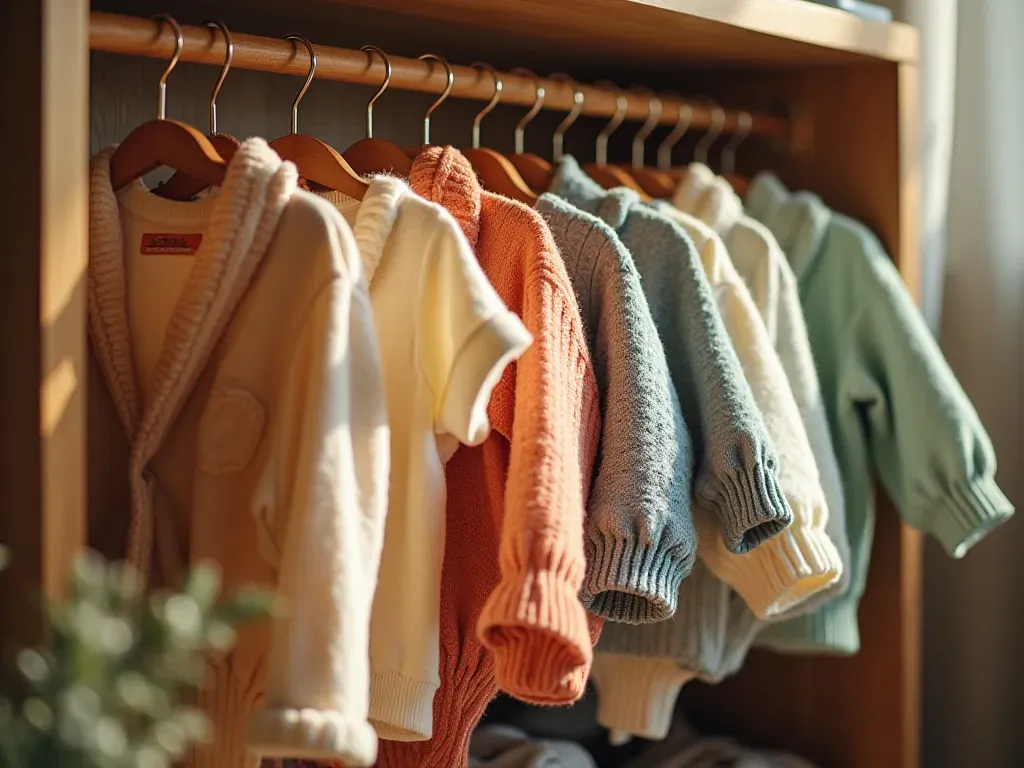
She built a massive spreadsheet. It tracks every single piece of vintage clothing she's picked up for her newborn daughter. Not a casual list, either — this is logistics.
I'll be honest, I was stunned. Organizing infant apparel by age and current location is absurdly specific, and somehow deeply relatable at the same time.
Why Vintage Baby Clothes Are Having a Massive Moment
There's something about pre-loved items that just feels more authentic. They carry a history, and a softness that new fabric can't replicate — not even after one wash.
Modern parents are obsessed with sustainability. Buying less and wearing more has become a core value for a lot of families. Vintage pieces fit that ethos perfectly.
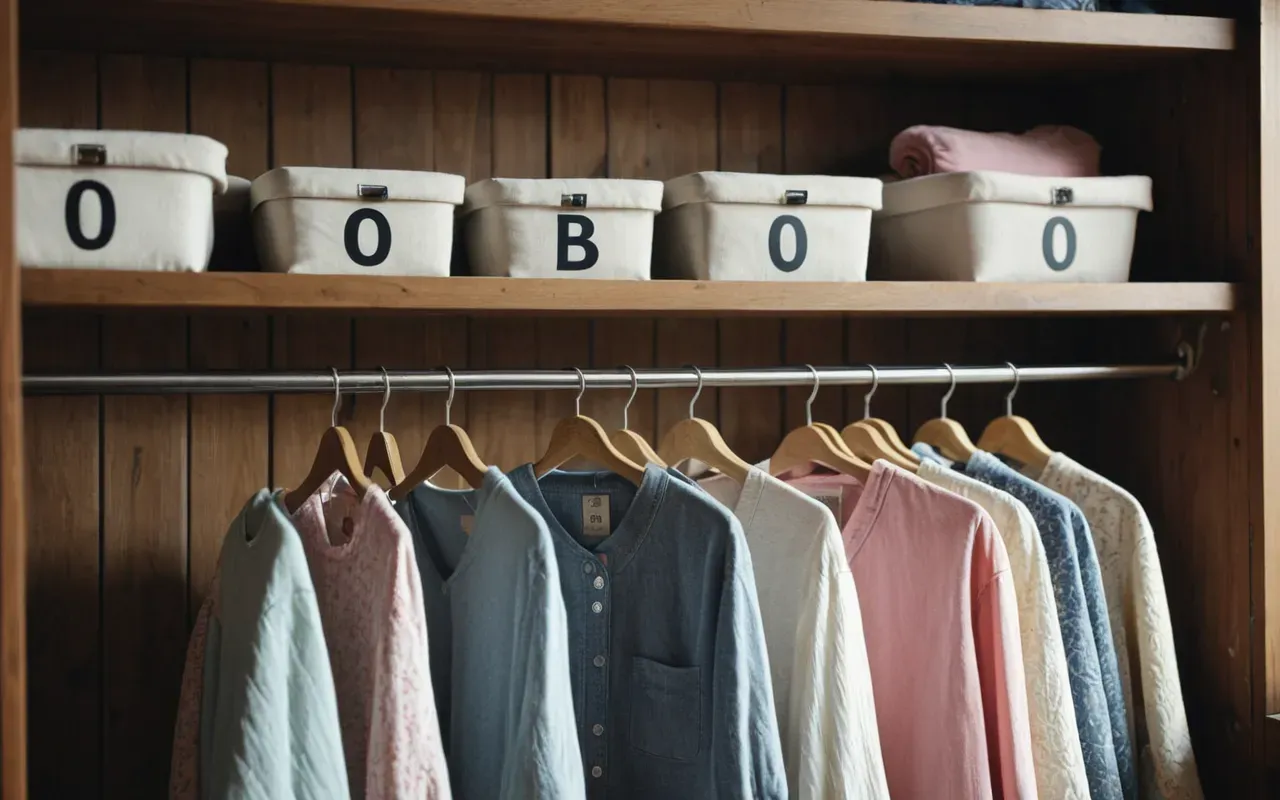
Dunham's approach highlights a shift away from fast fashion. Instead of buying ten identical onesies, she hunts for unique pieces that tell a story.
The Psychology Behind the Hoard and Swap
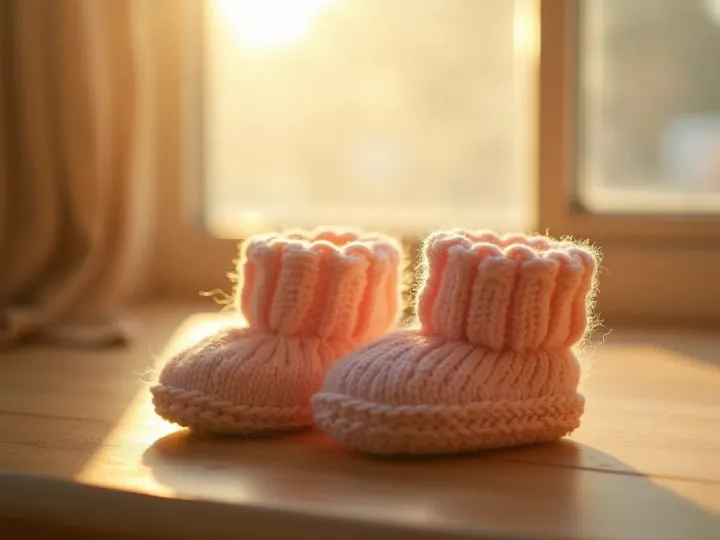
We buy things to feel in control. And parenting? Inherently chaotic. Unpredictable. Tracking where a specific pair of booties ended up gives us a little slice of order.
It's also about community. Dunham mentions a trading club with friends. That turns consumption into collaboration, and it strengthens social bonds among new parents.
How to Start Your Own Baby Clothing Exchange Group
You don't need a spreadsheet to start small. Just gather three or four friends who have children in similar age groups and set up a monthly swap day.
Label everything clearly. Use stickers or tags to note the size and any stains. Transparency keeps the exchange fair and prevents awkward situations later.
Focus on quality over quantity. A few well-made dresses beat a dozen cheap tees that fall apart after one wash cycle.
The Hidden Cost of Buying New Every Month
Babies grow incredibly fast. A size three month outfit is obsolete in six weeks if you're lucky. Buying new constantly drains your wallet and fills landfills.
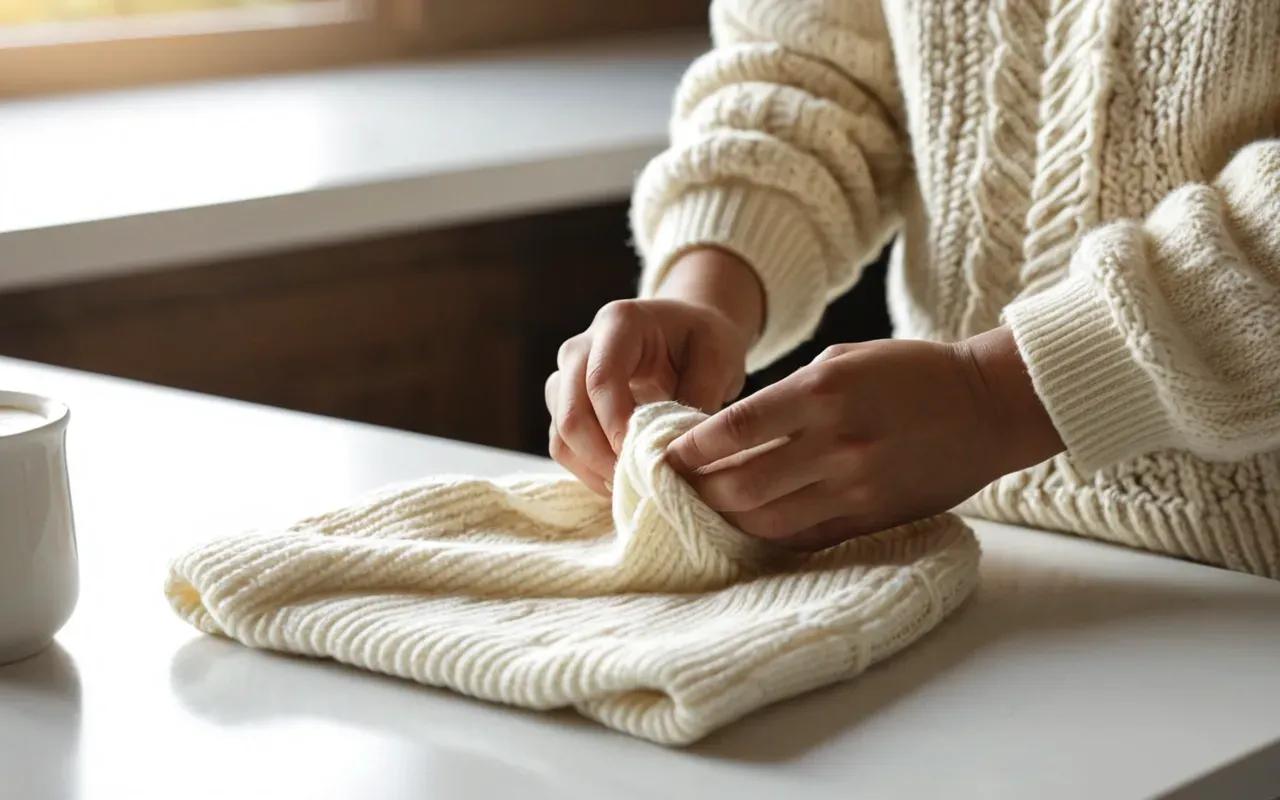
Vintage shopping solves this problem elegantly. You get a wider range of sizes and styles without the premium price tag that new retailers charge.
Eco Friendly Fabrics to Look for in Second Hand Finds
Look for cotton or bamboo blends. These materials breathe well and are gentle on sensitive skin. Avoid synthetics that trap heat and cause rashes.
Check the tags for certifications. Even second hand items should meet safety standards if you want to ensure they are free from harmful chemicals.
What This Means for the Future of Baby Fashion
We're moving away from disposable culture. The idea that a garment should last longer than the season it was bought in is gaining serious traction among millennials.
Brands are noticing this change. More companies are launching circular economy programs where you can return used items for credit or recycling.
This shift isn't just about saving money. It's about making a statement that we value craftsmanship and longevity over quick trends and novelty.
How to Spot Genuine Vintage Pieces at Thrift Stores
Examine the stitching. Hand sewn seams and reinforced buttons are signs of quality construction from earlier decades that modern mass production lacks.
Smell the fabric. A musty odor can be washed out, but a strong chemical smell might indicate treated fibers that are not safe for infants to wear.
The Social Aspect of Parenting Through Fashion
Clothes are a conversation starter. When you dress your child in something unique and interesting, people notice and ask questions about the source.
Dunham's spreadsheet is really a map of her friendships. It shows that sharing resources creates deeper connections than simply buying things for individual use.
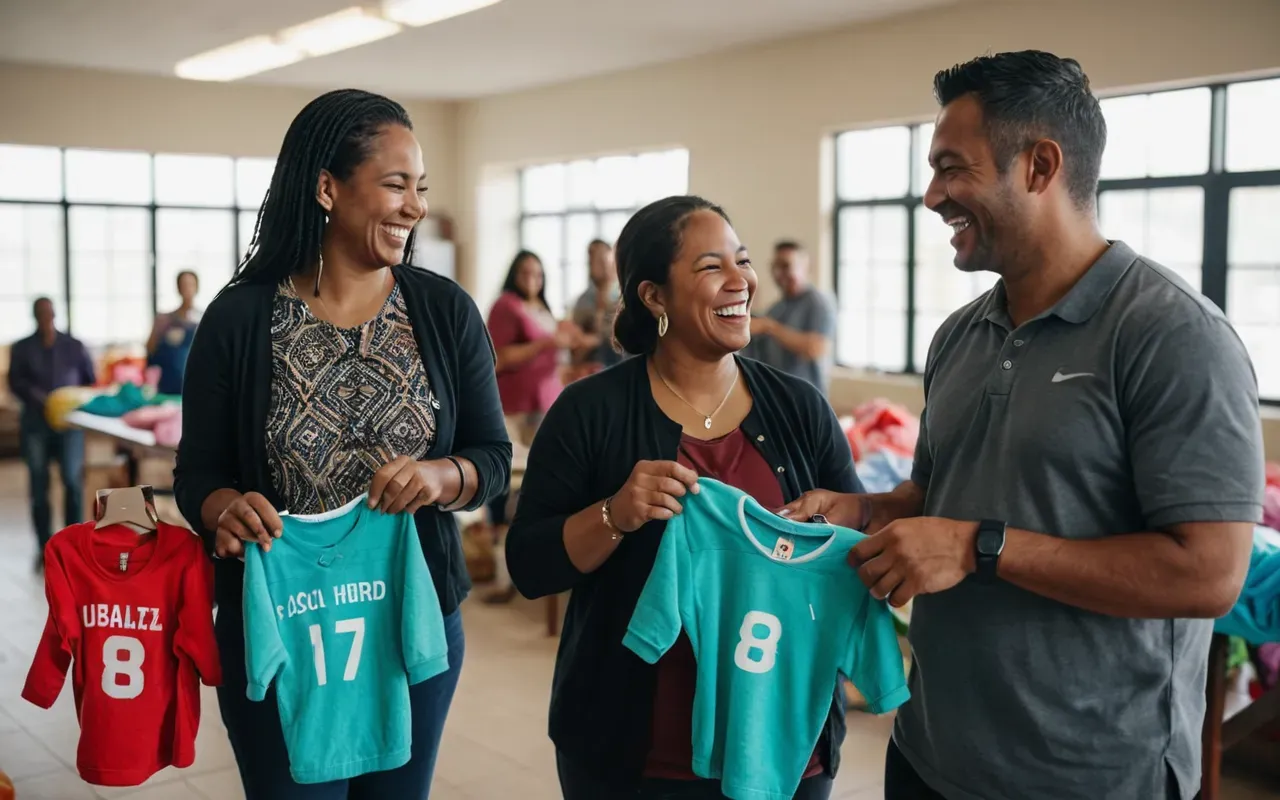
This collaborative spirit is what makes modern parenting different. We're less isolated and more connected through shared interests like style.
Practical Tips for Keeping Vintage Clothes Clean and Safe
Wash everything before use. Use a gentle detergent that is free from harsh chemicals and dyes to protect delicate infant skin from irritation.
Inspect for loose threads or broken snaps. Remove any small parts that could pose a choking hazard to young children who put everything in their mouths.
Store items in breathable cotton bags. Plastic can trap moisture and lead to mold growth that is harmful if not detected before the next wear.
Why We Should Embrace Imperfection in Our Choices
Parenting is messy. Your clothes might have a small stain or a missing button. That does not make them bad choices for your child.
The best clothes are the ones that make you and your baby happy. Whether they are brand new or three years old does not matter as much as comfort.
Lena Dunham's spreadsheet is a reminder that we can find joy in the process of curating and sharing rather than just consuming.