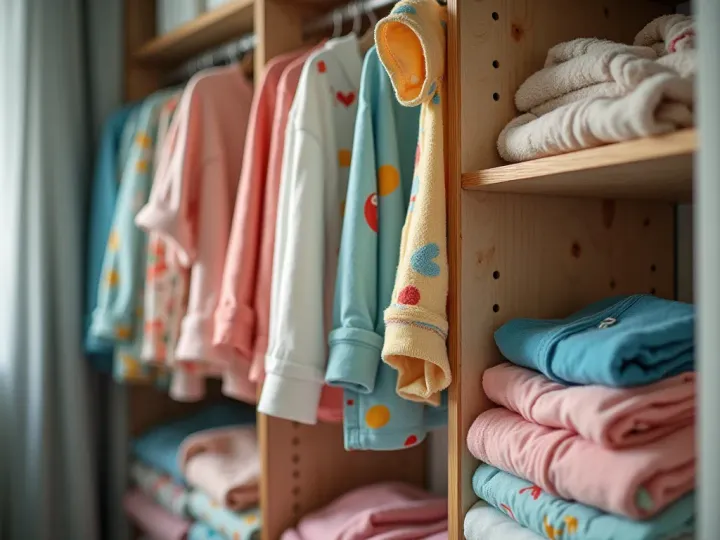
The tiny baby clothes that made a new mom cry before the birth
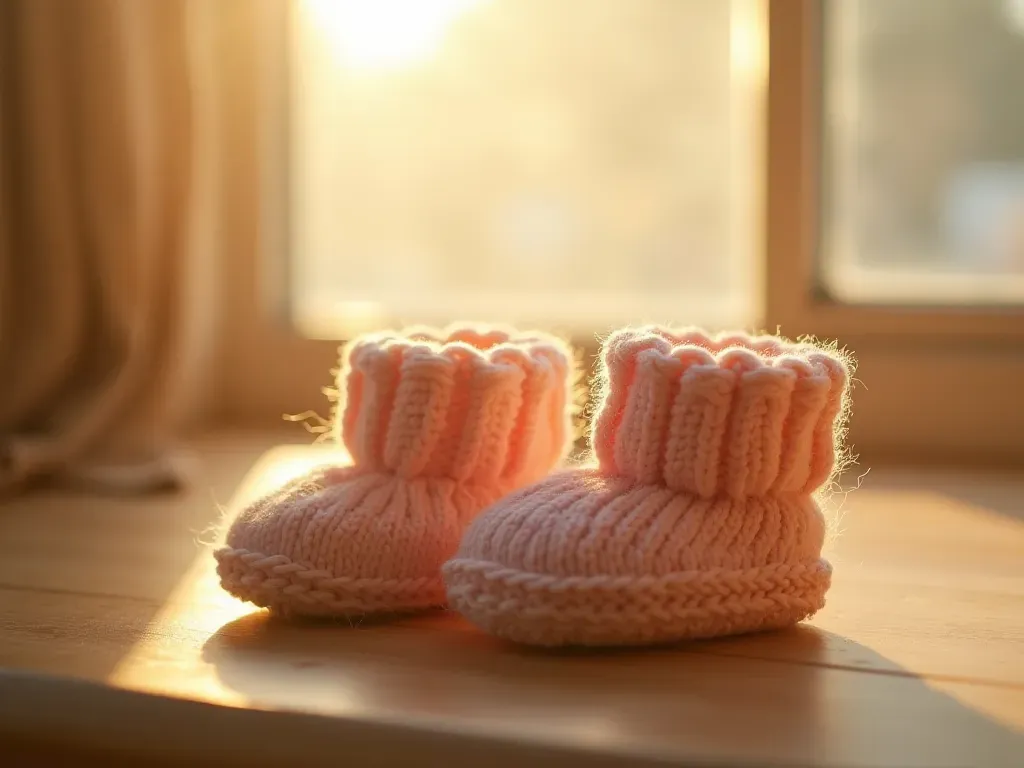
The moment the tiny shoes stopped being just fabric
A pregnant woman in her twenty-third week holds a pair of booties no bigger than her thumb. She doesn't buy them because she needs them today. She buys them because the size feels impossible to ignore. Every parent hits this paradox at some point: you're buying clothes for someone who won't wear them for another seven weeks.
The vlog from Ask Kimberly went viral on September eighth. Viewers watched a calm, seated video where the creator simply opens packages of infant clothing and reads them aloud. No dramatic music. No fast cuts. Just hands unfolding soft cotton onesies and tiny socks that have never touched a foot.
And then the comment section exploded. Thousands of parents wrote single lines like "I cried watching this." and "The shoe part broke me." That reaction isn't random. It points to a specific psychological trigger we rarely name in baby fashion discussions.
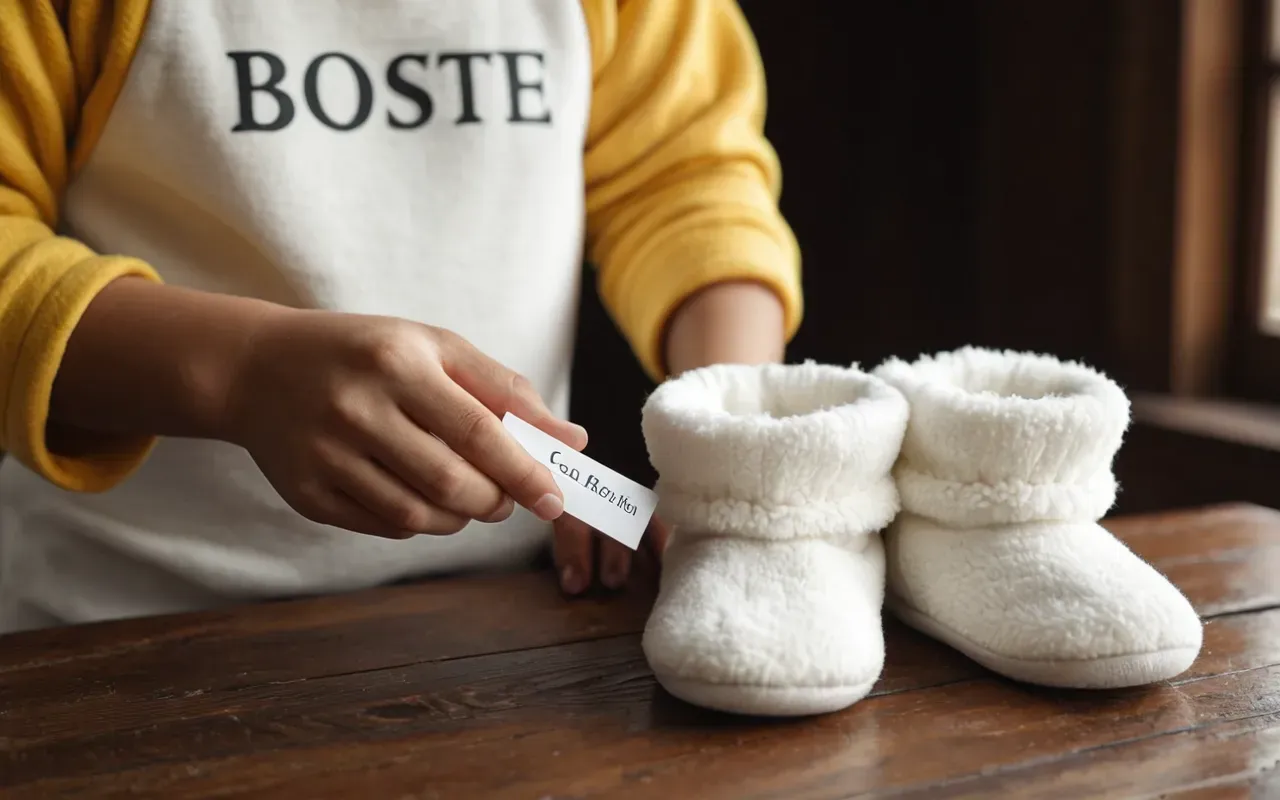
Why we buy clothes for a person who does not exist yet
Expectancy is the longest waiting room of your life. You can't hold the baby. You can't name them in person. So you anchor to objects. The stroller gets assembled. The crib gets built. And somewhere around week twenty, you start buying clothes that are smaller than a sandwich.
I think about this more than I want to admit. When you pick up a garment that is clearly for an infant who has not been born, your brain does something strange. It collapses the time gap between now and then in one emotional beat.
The clothing is a proxy. It lets you practice being a parent in low-stakes ways. You learn the weight of fabric before you learn the weight of a newborn on your chest. You choose colors and patterns long before you have to make real decisions about what that child will actually need.
The size chart problem nobody talks about
Here's the thing that almost every retailer hides in plain sight. Size labels on baby clothing are not standardized across brands. A nine-to-twelve month outfit from one store might be smaller than a six-month outfit from another.
If you've ever bought three different onesies thinking they'd all fit the same child and been disappointed by at least one of them, this is why. The industry has no single sizing law for infants under two years old.
This matters more than most parents realize. When you're emotional about the purchase and rushed by a due date that may not arrive on schedule, inconsistent sizing turns into wasted money and unnecessary stress.
What the vlog got right about comfort over cuteness
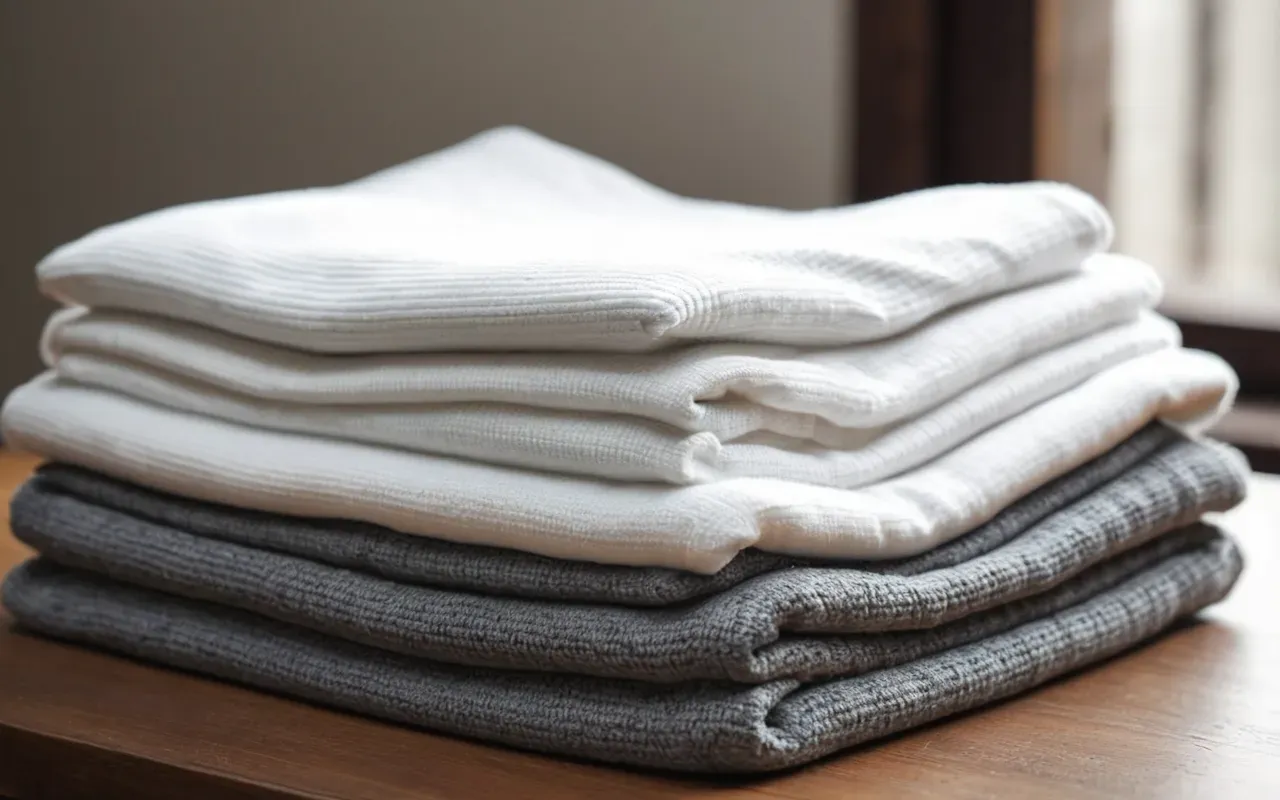
The creator in the viral video made a quiet but important choice. She prioritized soft cotton and simple snap closures over elaborate designs or trendy prints. No ruffles that could scratch delicate skin. No tiny buttons that could be swallowed.
That decision is actually the most sophisticated part of modern baby fashion. The best infant clothing in twenty-six will not win a photo contest on social media. It will survive three washes, four diaper changes, and one very determined toddler who wants to eat the collar.
I've seen plenty of parents buy beautiful outfits that their baby refused to wear because the fabric was stiff or the tag itched. The emotional purchase becomes a practical failure within forty-eight hours.
The hidden cost of buying too much at once
Most new parents spend between two hundred and four hundred dollars on infant clothing in the first month. That number sounds reasonable until you consider that a healthy newborn can gain up to one ounce per day.
Clothes bought for the first two weeks often do not fit by week three. The emotional weight of that realization is heavy. You paid real money for garments your child outgrew in less time than it takes to finish a long dinner.
The smart move is to buy fewer pieces in slightly larger sizes and save the money for diapers, which will never fit your budget no matter how much you plan.
The brands that actually get it right in twenty-six
Not every brand understands this emotional and practical balance. Some push trendy graphics that look great in a photo but fall apart after one wash cycle. Others charge premium prices for fabric that feels like cheap polyester.
The ones worth your money focus on three things: pre-washed cotton that feels soft from the first wear, reinforced stitching at high-stress points like shoulders and cuffs, and closures that a tired parent can operate with one hand.
If you want to see how a simple design choice can completely change the experience of dressing your child, take a look at the $15 onesie that makes luxury brands look outdated. It is not about the price tag. It is about what happens when a company stops trying to impress other parents and starts serving the actual wearer.
What to look for before you check out
Flip the garment inside out. Check the seams. If they look like thin plastic ribbons instead of woven thread, walk away. Real quality baby clothing has flatlock stitching that will not dig into skin during a twelve-hour day.
Smell the fabric. New cotton should smell like nothing or faintly like clean laundry. If it has a strong chemical scent that does not fade after one wash, your baby is going to be breathing and touching those compounds all day.
The emotional purchase is not irrational if you understand it
I used to think buying tiny shoes before the birth was a waste of money. Now I see it as what it actually is: a rehearsal for love. You're practicing care in an environment where nothing can go wrong.
The vlog went viral because it captured a feeling that parenting culture rarely names out loud. We're supposed to be practical and efficient with our budgets, but the moment we see something made for an infant who isn't even here yet, logic steps back.
That tension between emotion and practicality is the real story behind every baby closet in America right now. And understanding it will save you money while also helping you enjoy the process instead of feeling guilty about it.
How to shop for a newborn without breaking the bank or your heart
Buy five to seven onesies in the smallest size and ten in the next two sizes. That's it for the first month of tops. Add four pairs of pants or leggings, three sleepers, and a few swaddles if you plan to use them.
Skip the matching sets. They look great in a store display but become impractical within a week when one piece is stained and the rest are clean. Mix and match basics instead.
If you want to see a full wardrobe strategy that balances style with actual usability for growing infants, check out why your baby's wardrobe is probably overkill and the shocking truth behind it. The data on infant growth rates versus clothing purchases will make you rethink half of what is in your cart right now.
The one rule that saves the most money
Do not buy anything smaller than three months unless it is a gift. Newborns grow faster in the first six weeks than at any other point in their first year.
Your due date is an estimate with a two-week window on either side. Build your wardrobe around the most likely range and not the exact day.
What this says about how we are raising children in twenty-six
That viral vlog isn't really about clothing. It's a window into how modern parents document and process the shift from couple to family. The tiny clothes are just the entry point for a much bigger emotional story.
We share these moments because they're the first time we get to show a future. A pair of booties isn't just footwear. It's proof that someone is coming into this world, and you intend to be ready for them.
That's a powerful thing. Which means the baby fashion industry isn't selling fabric and thread. They're selling anticipation itself.
The practical checklist for your next shopping trip
Bring a tape measure if you can. Measure the shoulder-to-shoulder width of anything your partner or family already has that's close in size to what you need. That number matters more than the label.
Pick brands that publish actual garment measurements in their product descriptions. If all they give you is an age range and a vague size name like small or medium, you're guessing.
Prioritize fabric content over brand recognition. One hundred percent cotton, or a blend with at least fifty percent natural fiber, will be softer on sensitive skin and more breathable in every season.
If you want to see how marketing language can mislead even experienced shoppers into overpaying for inferior quality, read how fashion cheques and similar promotions trick new parents. The tactics are subtle enough that most people don't notice them until the money is already gone.
The quiet truth behind every emotional purchase
You will not remember the exact brand of the onesie your baby wore on day one. You might even throw it away in six months when it no longer fits.
But you will remember the feeling of holding it. The weight in your hands was so light compared to what is coming. And that contrast between now and then is exactly why the purchase felt like more than a transaction.
The viral vlog captured something universal. We buy tiny clothes because we need to believe the future is manageable when it actually feels enormous.
Final thoughts on style and substance for your growing child
Your baby does not care about trends. They have no idea what's fashionable or what will look good in a photo. They only feel the difference between fabric that scratches and fabric that lets them breathe.
So let the cute designs be a bonus. Let them make you smile when you pick an outfit in the morning. But do not sacrifice comfort and durability for aesthetics that will never survive contact with real baby life.
The tiny clothes made everything feel real for the woman in that vlog. They'll do the same for you — if you let them be more than a purchase and actually become part of the story you're building with your family.