Why Your Baby's Funny Graphic Tees Are Actually Ruining Their Style
The Paradox of Cute
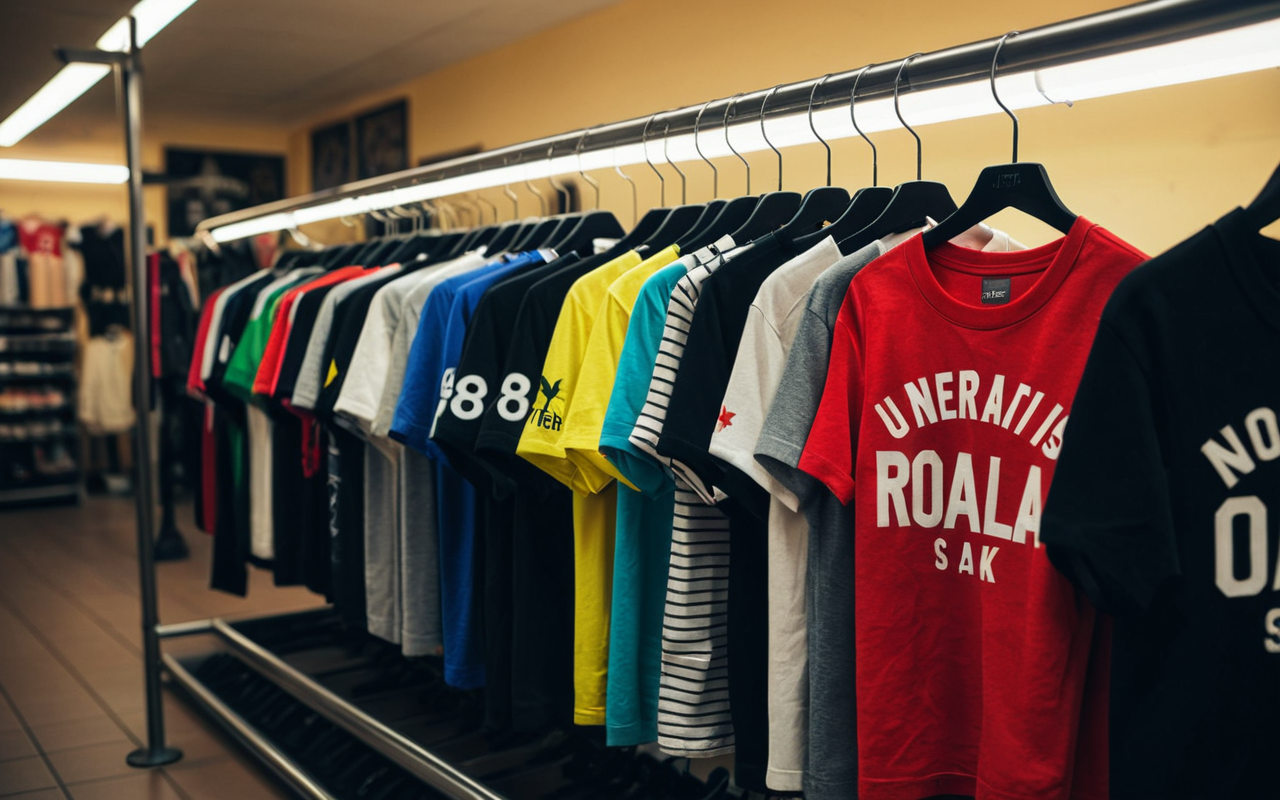
Every summer, a peculiar phenomenon sweeps through American nurseries and playgrounds. Parents suddenly flock to boutiques and online stores, armed with credit cards and a singular mission to outfit their infants in the most audacious, humorous, and visually loud garments imaginable. It is 2026, and the trend of dressing babies in witty slogans, viral meme references, and overly themed ensembles has reached a fever pitch. We see it everywhere, from the stroller lines at the park to the family brunches downtown. A six-month-old wearing a shirt that says "Nap Queen" is cute for five seconds on Instagram, but does it really serve the child's long-term wardrobe needs? The fashion industry thrives on novelty, pushing new collections every few weeks to keep parents spending. But there is a hidden cost to this relentless chase for the latest viral aesthetic. When we prioritize the temporary amusement of adults over the enduring comfort and versatility of the child, we create a wardrobe that is heavy on gimmicks and light on actual utility. This paradox of cute is something modern parents must confront. We want our babies to look adorable, to express our own personalities through their tiny frames, but at what point does the clothing start to feel more like a costume than a functional garment? The answer lies in understanding the difference between fleeting trends and genuine style, a distinction that is often blurred in the fast-paced world of infant apparel. By examining this dynamic, we can make smarter choices that benefit both the parent's desire for self-expression and the child's need for comfort and practicality.
The Short Life of Viral Novelties
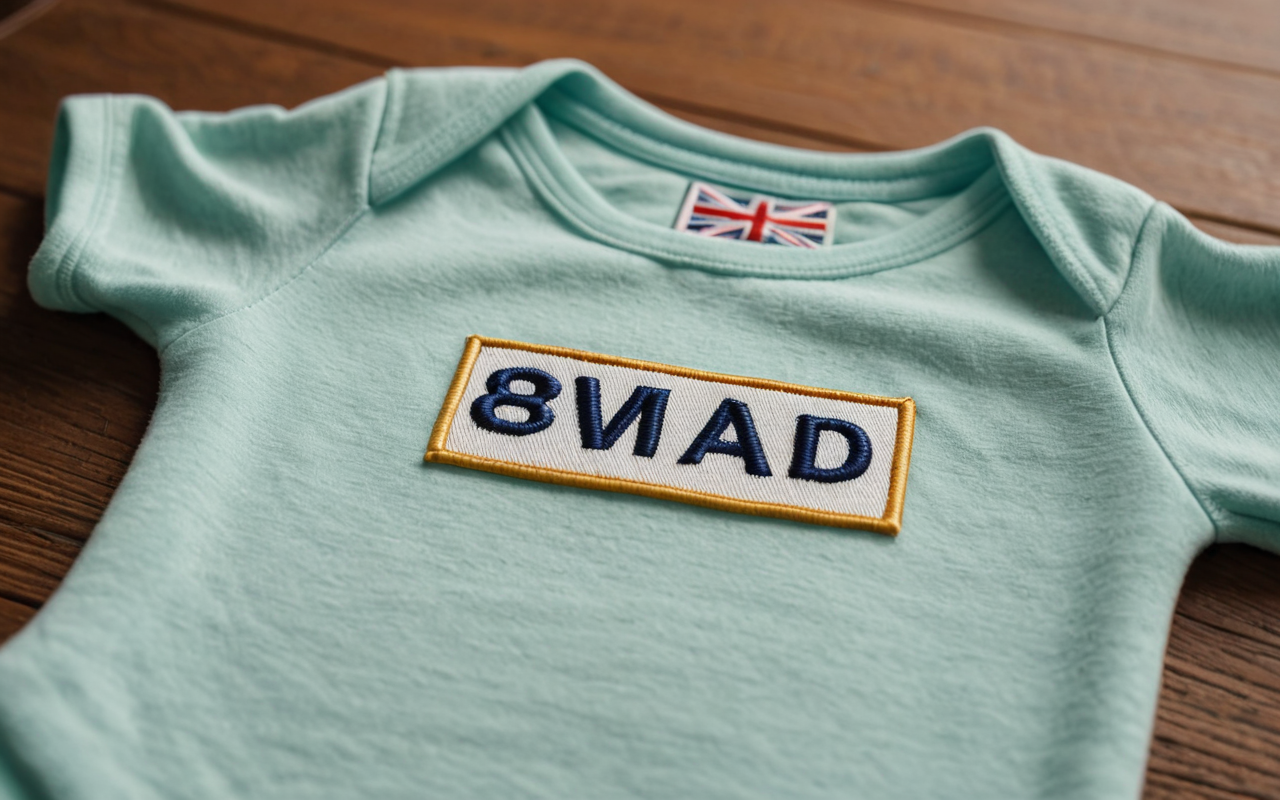
Consider the lifecycle of a typical humorous graphic tee designed for a toddler. It hits the online marketplace, trends on social media for perhaps three to four weeks, sells out in multiple sizes, and then vanishes as quickly as it arrived. The novelty wears off almost instantly. What looked hilarious on the screen suddenly feels dated, tacky, or simply too loud when worn in the real world. This rapid turnover is a hallmark of fast fashion, but it is particularly egregious in the baby category where children grow out of clothes at an astonishing rate. Buying into these micro-trends means your closet becomes a graveyard of single-use outfits. A shirt with a political slogan, a pop culture reference, or a trending meme will not be appropriate in six months, let alone next year. Beyond the financial waste, there is an environmental toll. The production of these short-lived garments contributes to textile waste, a growing concern for eco-conscious consumers. Modern parents are increasingly aware of this issue, seeking sustainable options that can be passed down or resold. A funny shirt, once worn a few times, holds little resale value because the joke has aged. In contrast, a well-made, neutrally designed piece with high-quality fabric retains its appeal. The key is to resist the urge to buy into every viral moment. Instead, focus on acquiring a core wardrobe of versatile basics that can be mixed and matched. This approach not only saves money but also reduces the environmental footprint of your parenting choices. It is a subtle shift in mindset, moving from consumption for the sake of entertainment to consumption for the sake of function and longevity.
Comfort Over Cuteness
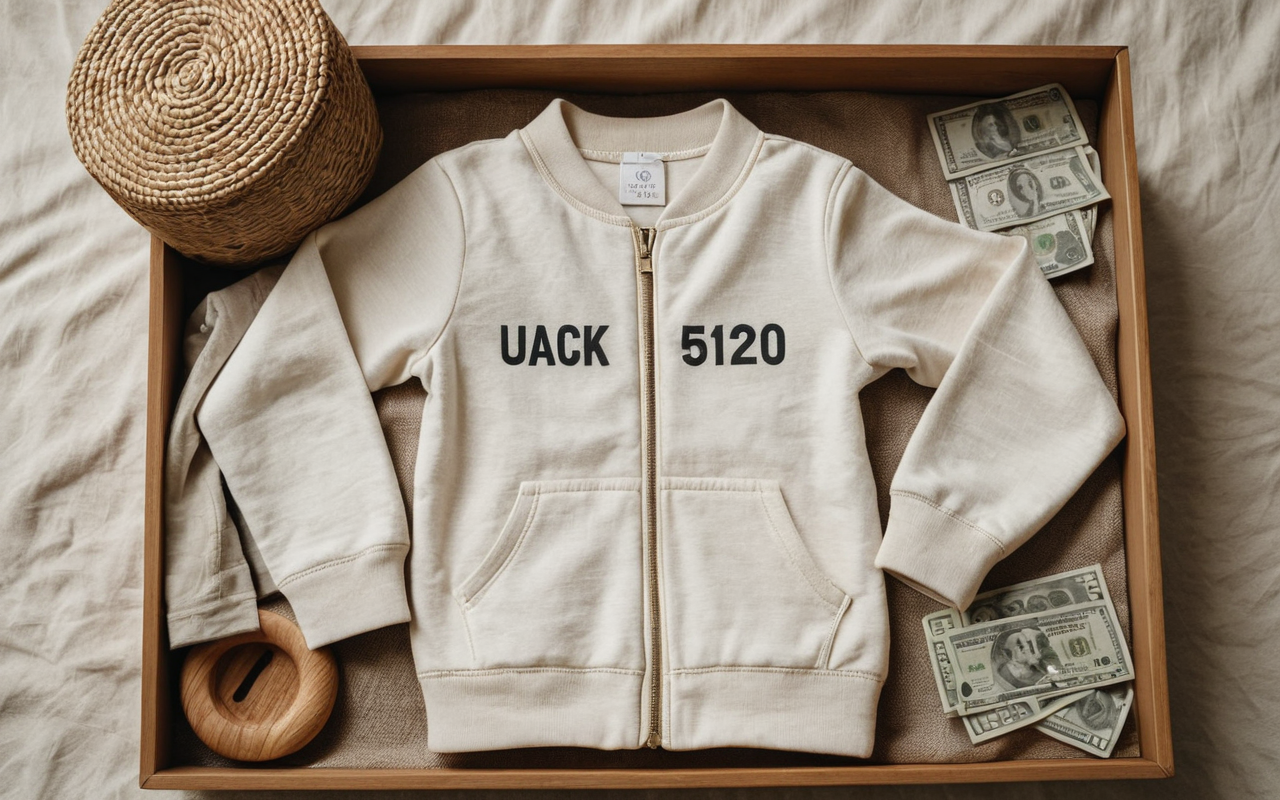
Let us talk about the most critical factor in infant apparel that is often overlooked in the pursuit of style: comfort. Babies and toddlers have sensitive skin, and they spend a significant portion of their day sleeping, crawling, playing, and exploring. Their clothing must accommodate these movements without restriction. Tight seams, itchy labels, and rough fabrics can cause irritation and discomfort, leading to fussiness and sleep disturbances. When parents prioritize a funny design or a trendy silhouette, they often compromise on the quality of the material. A graphic tee might look adorable, but if it is made from a stiff, synthetic blend that does not breathe, it is a recipe for disaster. The best baby clothes are those that feel like a second skin, soft, breathable, and durable enough to withstand frequent washing. Organic cotton, bamboo viscose, and other sustainable fabrics are excellent choices because they are gentle on the skin and environmentally friendly. These materials may not always feature the boldest graphics, but they offer unparalleled comfort. Think about it, would you wear a stiff, itchy shirt all day? Probably not. So why would we expect our little ones to tolerate it? The modern parent understands that true style does not have to come at the expense of comfort. In fact, the most stylish outfits are often the simplest ones, crafted from high-quality materials that drape well and feel good against the skin. By focusing on comfort, you ensure that your child is happy, which in turn makes parenting a smoother and more enjoyable experience. If you are looking for innovative baby fashion trends for modern parents who want their infants to shine, prioritizing comfort is the first step.
Building a Versatile Foundation
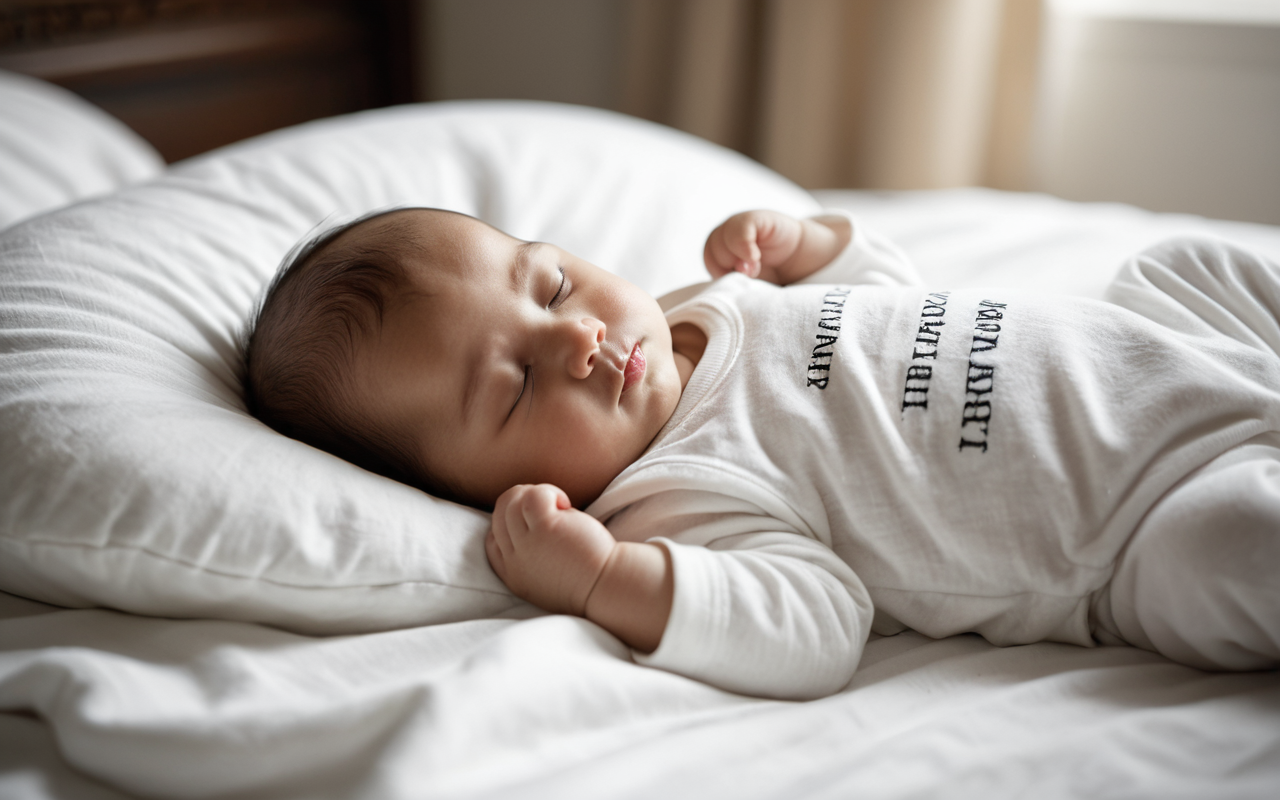
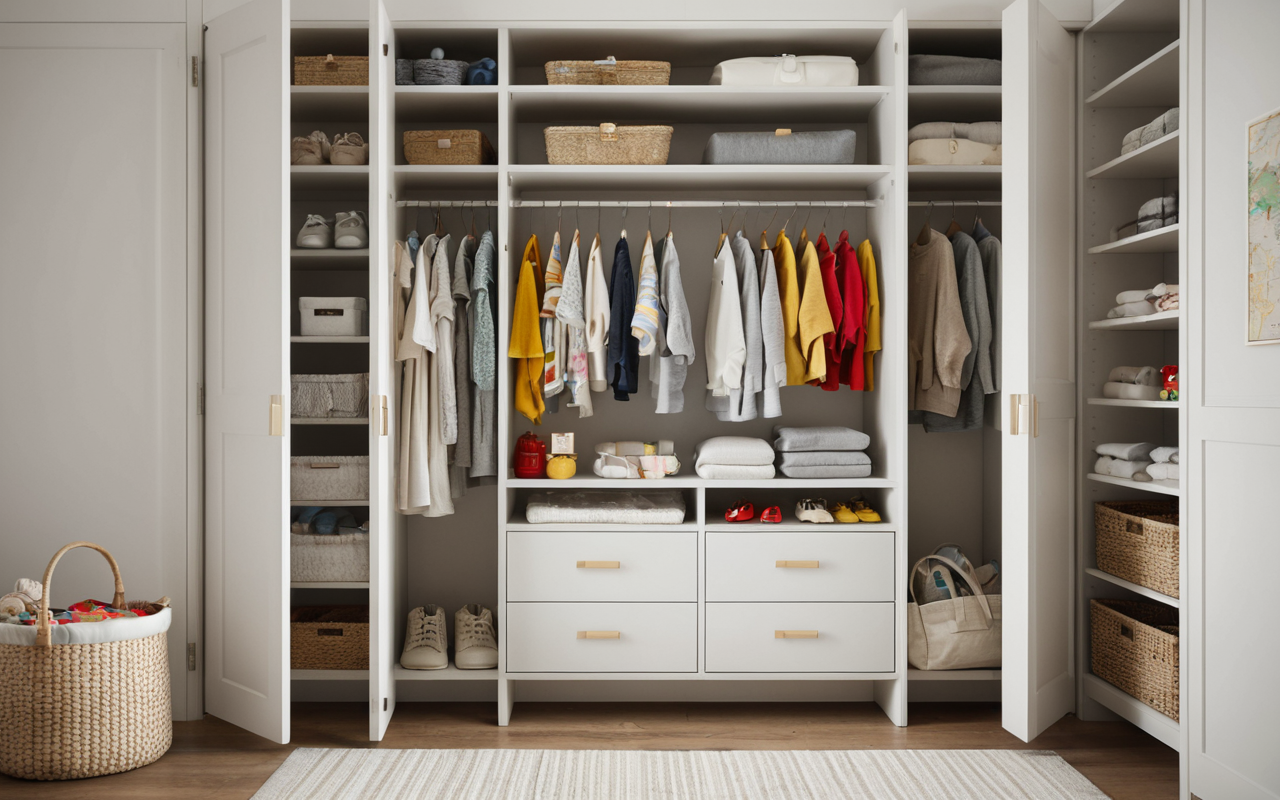
Once you have prioritized comfort, the next step is to build a versatile foundation for your baby's wardrobe. This means investing in neutral colors, simple patterns, and classic cuts that can be mixed and matched in countless ways. A white onesie, a beige cardigan, and a pair of denim shorts can create dozens of different outfits depending on how they are layered and accessorized. This approach is not only practical but also cost-effective. You do not need a hundred different outfits to keep your child looking stylish. Instead, you need a curated collection of high-quality pieces that work together harmoniously. Neutral tones are particularly advantageous because they do not clash with other items in the closet. They also tend to look more sophisticated and timeless than bright, patterned alternatives. Of course, this does not mean you have to abandon color or personality entirely. You can introduce pops of color or playful elements through accessories, such as a colorful hat, a patterned sock, or a fun pair of shoes. These smaller items are easier to replace and update as trends change, allowing you to experiment without overhauling your entire wardrobe. The goal is to create a balanced closet that is both functional and expressive. By focusing on versatility, you can navigate the challenges of rapid growth and changing seasons with ease. Your baby will always look put-together, and you will always have appropriate options for any occasion. For more insights on transforming your baby's wardrobe with trendy and playful fashion ideas, exploring versatile foundations is a great starting point.
The Role of Quality in Longevity
Quality is the cornerstone of any sustainable wardrobe, and this is especially true for baby clothes. Children grow quickly, but that does not mean their clothes should fall apart after a few washes. High-quality garments are designed to withstand the rigors of daily wear and frequent laundering. They retain their shape, color, and softness even after dozens of cycles. Look for reinforced seams, durable zippers, and fabric that does not pill or fade. These details may seem minor, but they make a significant difference in the lifespan of the garment. Investing in quality means you are buying fewer items overall, which saves money in the long run. It also means you can pass these pieces down to future siblings or friends, extending their useful life even further. Many modern brands now offer eco-friendly options that are both high-quality and sustainable. These brands use organic materials and ethical manufacturing practices, ensuring that your purchase aligns with your values. When shopping, read the labels carefully. Look for certifications like GOTS (Global Organic Textile Standard) or Oeko-Tex, which guarantee that the fabric is free from harmful chemicals. By choosing quality, you are not only benefiting your child's comfort but also supporting a more responsible fashion industry. This shift towards mindful consumption is a growing trend among modern parents who are aware of the environmental impact of their purchases. Elevating your baby's wardrobe with trendy and playful fashion choices does not have to mean sacrificing quality or sustainability.
Balancing Humor with Timelessness
This is not to say that humor has no place in a baby's wardrobe. Funny outfits can be a delightful way to express personality and capture memorable moments. The key is balance. Allocate a small portion of your budget to these novelty items, treating them as occasional treats rather than staples. A funny shirt is perfect for a special occasion, a photoshoot, or a day out with friends who will appreciate the joke. But for everyday wear, stick to your versatile foundation. This approach allows you to enjoy the fun and whimsy of humorous designs without letting them dominate your closet. It also ensures that your baby is always dressed appropriately for any situation. Think of it like a diet, a little bit of sugar is fine, but you want to focus on nourishing, wholesome foods. The same principle applies to clothing. By keeping novelty items to a minimum, you maintain a sense of timelessness in your baby's style. This balance is what separates true style from fleeting trends. It is about making intentional choices that reflect your values and priorities. As a parent, you have the power to shape your child's introduction to the world of fashion. By choosing wisely, you teach them the value of quality, comfort, and sustainability from a young age. This lesson extends far beyond clothing, influencing their approach to consumption and style for the rest of their lives. Embracing the latest baby fashion trends for style-savvy parents involves finding this delicate equilibrium.
Frequently Asked Questions
Funny graphic tees rely on viral trends or pop culture references that age rapidly. Once the meme is old news, the shirt feels dated and loses its resale value, making it a short-lived purchase.
Prioritize soft, breathable fabrics like organic cotton for everyday wear. Add style through versatile neutral pieces and occasional accessories, ensuring the child remains comfortable while looking put-together.
Start with a foundation of neutral-colored basics like white onesies and beige cardigans. These mix-and-match easily. Add pops of color or fun patterns through accessories rather than main garments.
High-quality clothes withstand frequent washing and rapid growth better than cheap alternatives. They last longer, save money over time, and can often be passed down, reducing waste and cost.