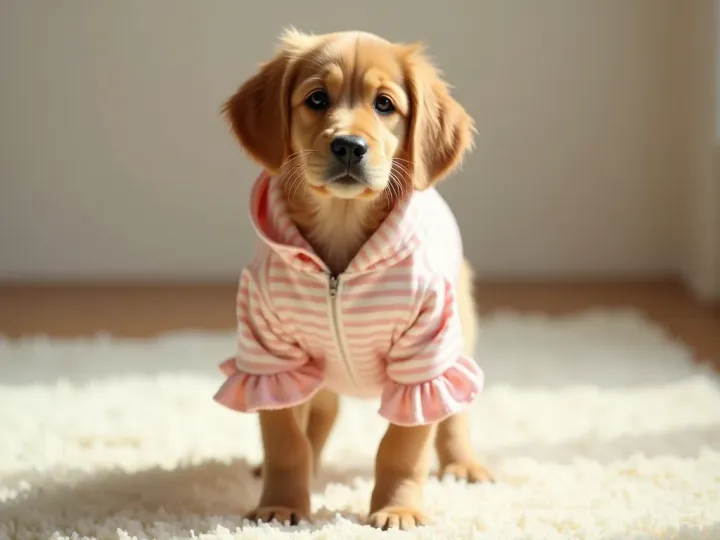
The real reason parents are ditching pink for their daughters is hiding in plain sight
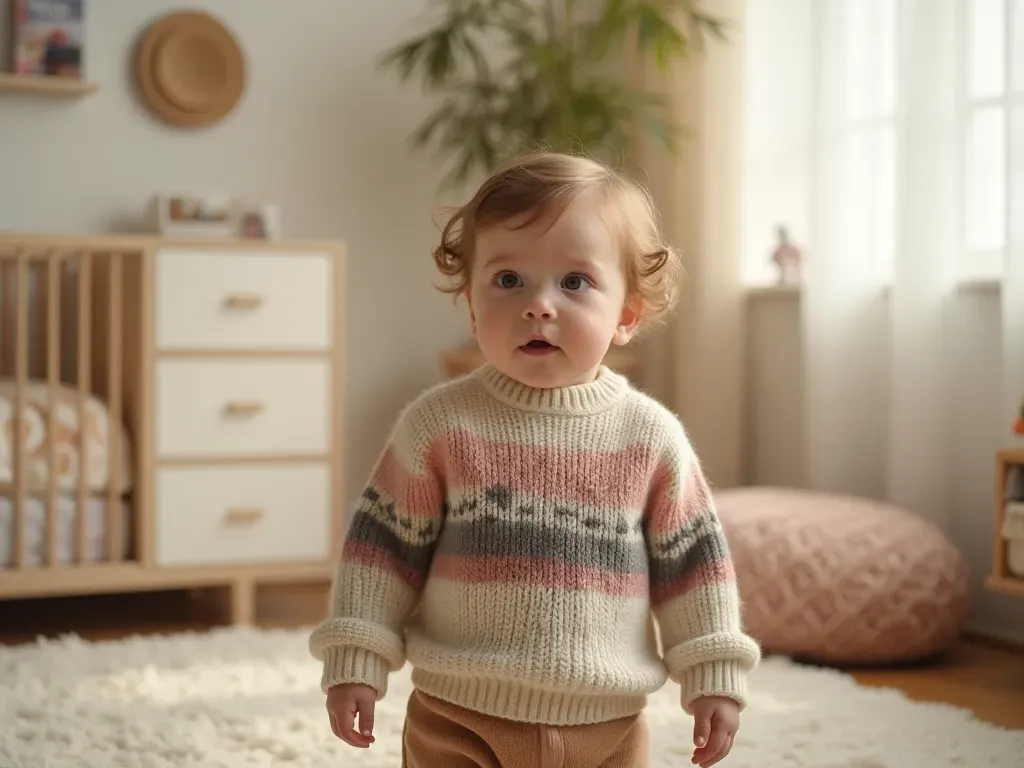
The $40 outfit that broke the system for one designer mom
Laurel Thompson used to draw pink ruffles on a Tuesday and blue stripes by Wednesday. She worked at Carter's for years.
Then she had a daughter. And the math stopped making sense. Every outfit was bought twice. Once for her, once for the boy cousin.
It wasn't about color. It was about inventory. Manufacturers split every design into two SKUs to double revenue.
That's the angle nobody talks about. The pink isn't a preference signal. It's a revenue multiplier.
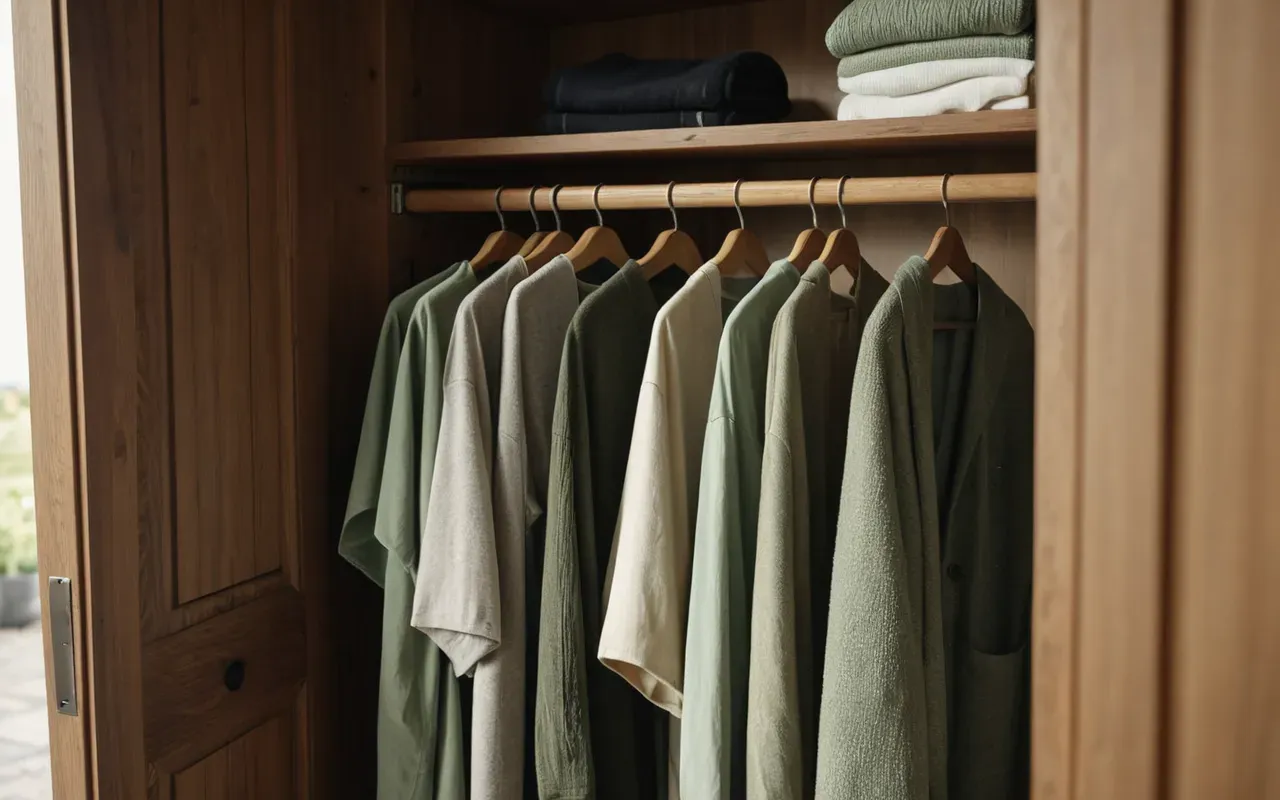
Why moms are quietly swapping girls' ruffles for boys' plain tees
Nikki Gonzales bought her daughter Elsa boys' clothes. Not because of politics. Because the girls' section made her gag.
"Garish colors, frills, sayings and general weirdness," she told Yahoo. Her style is utilitarian. Dark. Simple.
She dressed Elsa in navy and gray. Then Finn, her son, wore the same clothes at eight months.
One acquaintance lost it. "I can't believe she would do that to her baby girl!" at a barbecue.
Gonzales doesn't care. The savings were real. The comfort was real. The judgment was noise.
The body-shaming problem hiding on onesies
Thompson found shirts that read "I hate my thighs" on two-year-olds. Onesies saying "always happy."
These aren't cute quirks. They're micro-messages about what a girl's body should feel and how she should act.
I've seen it in my own closet. A toddler shirt that said "smile" like compliance was a feature.
If you're curious about how graphic tees shape early self-perception, the data is uncomfortable.
What a Dutch mom learned about color palettes that changed everything
Kate Woolsey kept her baby's sex secret. Not for a reveal video. To avoid the pink-or-blue avalanche.
She decorated in white, gray, mint. Then moved to the Netherlands and saw a whole different palette.
Tans. Mustards. Blacks. Greens. The clothes looked like what adults actually wear.
Here's the thing. Her daughter chose pink at age two. Not because of marketing. Because she wanted a tiara.
"When she chooses something, it then becomes our job to support her," Woolsey said. That line hit me hard.
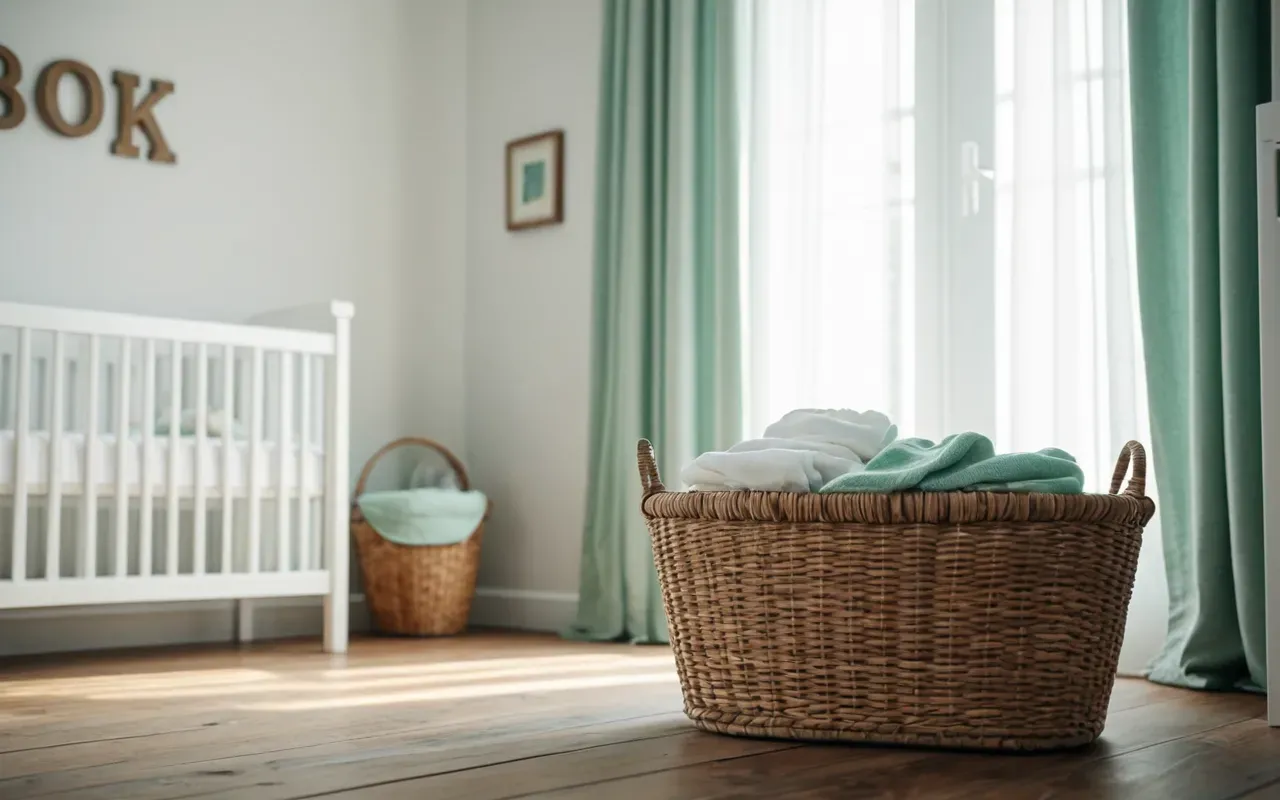
The brands quietly building wardrobes that pass down instead of outgrowing
MORI doesn't sort by gender on its site. The senior buyer says designs are meant to be passed.
Brother to sister. Cousin to friend. The prints are unisex by default.
"Boys can wear pink too," Amie Flynn said. Not as a statement. As a baseline.
Thompson's own line, Beya Made, pushes gender-neutral basics. She calls it a carbon-footprint play.
You save money and waste less fabric. Both matter when you're buying twelve onesies a month.
Why this changes more than just what your toddler wears on a Tuesday
Pink and blue have only been enforced for about fifty years. Before that, kids wore white.
Thompson has a photo from 1919. Her grandfather and his sister both in white dresses.
That wasn't a statement. It was the norm. The split into two markets is newer than your parents' marriage.
The implication nobody talks about? The entire aisle is a revenue model disguised as identity.
And the parents who quietly buy neutral aren't making a political point. They're just doing the math.
Who wins in this quiet shift away from pink and blue
The big brands lose. They built their inventory on duplication.
Small makers win. MORI, Beya Made, and a handful of others sell one version to everyone.
And the families? They win twice. Once at checkout. Once when they hand a shirt to a cousin instead of a landfill.
If you've ever wondered why your baby closet feels like a money pit, this is part of the answer.
What I'd do differently with my next baby based on this research
I would buy fewer. I'd choose one good quality neutral set over three cute gendered ones.
I'd skip the slogan shirts. Not all of them. But I wouldn't let a two-year-old wear "always happy" as armor.
And I'd let my kid choose the pink. Or the navy. Or the mustard. Whatever they grab off the shelf.
The clothes don't have to be a statement. They just have to fit, last, and not make the wearer feel small.
That's it. That's the whole shift. And honestly? It takes one mom at a barbecue to make it real.
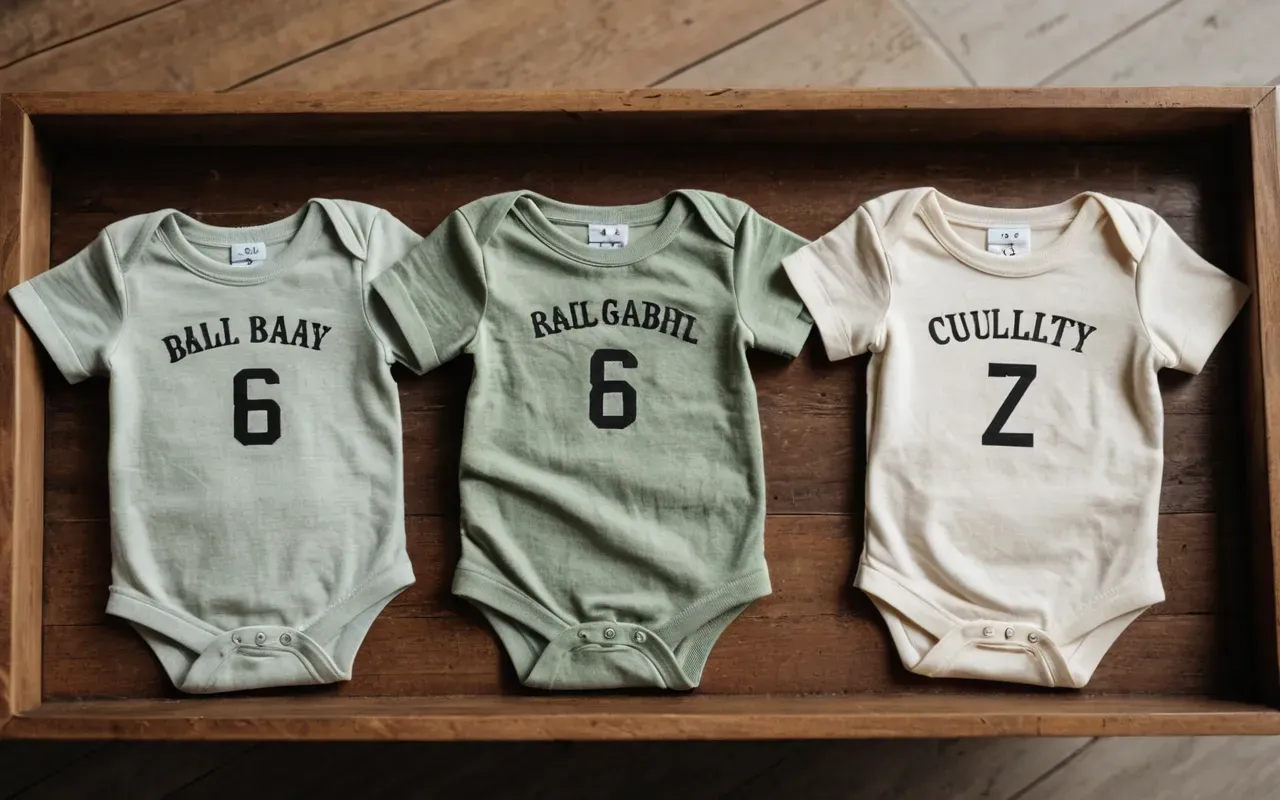
The quiet revolution in your local diaper aisle is already happening
You don't need to be an activist. You just need to notice the math and the messages.
The parents who bought boys' clothes for their daughters weren't making a scene. They were solving a problem.
And the brands that stopped splitting their inventory by gender didn't lose customers. They gained them.
The revolution isn't loud. It's a mom folding one shirt instead of two.
And if that doesn't feel like a shift in the air, I don't know what does.