Why Your Back to School Shopping List Needs a Complete Overhaul
The Back to School Durability Shift
The August shopping rush hits every year, but something has changed in how parents approach the classroom closet. I have noticed a quiet rebellion against the disposable clothing cycle that used to dominate back to school preparations. Families are finally demanding garments that survive the entire academic calendar without falling apart. The playground is a brutal testing ground for any fabric. Fast fashion simply cannot handle the daily friction of climbing frames and carpeted reading corners. Parents are waking up to the reality that cheap seams unravel by October.
We are currently sitting in early August 2026, right in the thick of the national school supply scramble. Store aisles are packed with parents hunting for outfits that will somehow last until June. The cultural expectation has shifted dramatically over the last three years. Nobody wants to repurchase a basic t-shirt every single month anymore. Financial strain and environmental awareness are colliding in the checkout line. This convergence is forcing brands to rethink how they construct children apparel. The durability standard is finally catching up to actual classroom realities.
Firebird Kids recently highlighted a collection that captures this exact moment in retail history. Their focus on certified organic cotton and reinforced construction speaks directly to the modern parent dilemma. You want comfort for sensitive skin, but you also need fabric that withstands industrial washing machines. The brand targets ages two through thirteen, which covers the entire early education spectrum. That age range experiences the most aggressive growth spurts in human development. Clothing must stretch, breathe, and survive without losing its original shape. It is a tall order for any manufacturer.
I was struck by how the founder explicitly addresses the September through June timeline. Most companies market their spring or fall collections as separate seasonal events. This approach treats the school year as a single continuous endurance test. Garments need to handle heavy backpack straps and chalk dust without fading or thinning. The shift toward quality over quantity is no longer a niche preference. It is becoming the baseline expectation for any family navigating public or private education. We are finally done with the disposable clothing experiment.
The math behind this wardrobe change is actually quite simple when you break it down. Buying three expensive hoodies that last four years costs less than buying twelve cheap ones that shrink after washing. Parents are calculating the true cost per wear instead of just the sticker price. This financial awareness is reshaping entire shopping trips. You can see it in the way people browse racks now. They pull the fabric and check the stitching before they even glance at the price tag. Durability has become the new status symbol.
Why Fast Fashion Fails the Playground Test
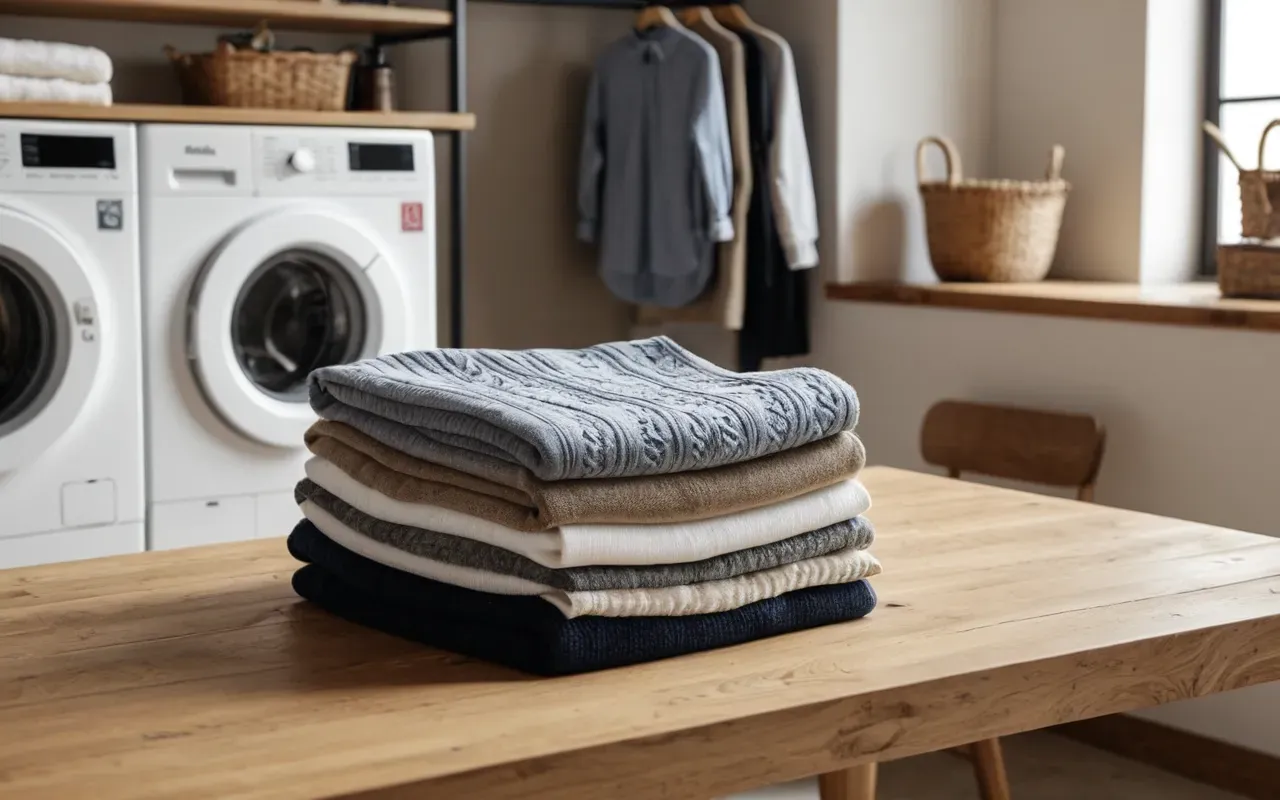
The playground exposes weak construction within the first two weeks of September. I have watched perfectly fine shirts develop holes near the armpits after minimal wear. Cheap synthetic blends trap heat and irritate skin during active recess periods. Children move constantly, so their clothing must bend, stretch, and recover without tearing. Traditional mass production prioritizes speed and low material costs over actual longevity. That model collapses the moment a child starts running around daily. The friction of daily movement destroys flimsy threads quickly.
Colorfastness is another major casualty of rushed manufacturing processes. Bright dyes used in cheap garments bleed into washers and ruin other items. Parents end up washing school clothes separately or accepting faded uniforms by mid November. Firebird Kids emphasizes fabrics that hold their original hue through dozens of cycles. This detail matters more than most shoppers realize. Consistent color retention means the outfit looks fresh for classroom photos and holiday performances. You do not want your child wearing washed out shirts during important school events.
Reinforced seams represent the quiet engineering behind long lasting apparel. Standard stitching snaps when heavy backpacks pull against the shoulder area. Brands that invest in double stitching and bar tacks prevent those frustrating midday tears. Children rarely complain about minor discomfort, so parents have to spot the wear patterns. A pulled thread at the collar or a loose hem signals impending failure. Investing in properly constructed pieces eliminates those daily wardrobe emergencies. It saves time during rushed morning routines too.
The environmental toll of disposable clothing finally reached a breaking point for many households. Landfills are overflowing with perfectly good garments that lost structural integrity after minimal use. Parents feel genuine guilt when tossing out slightly worn outfits that still have life left. The shift toward durable apparel reduces textile waste and lowers overall consumption rates. It is a practical solution that aligns with broader sustainability goals. Families are voting with their wallets and demanding better construction standards. The industry must adapt or lose this generation of shoppers.
The Hidden Math of Wardrobe Longevity
Calculating the actual value of a garment requires looking past the initial purchase price. A twenty dollar hoodie that survives three academic years outperforms a ten dollar version that shrinks in month two. The cost per wear drops dramatically when construction holds up under stress. Parents are quietly tracking these metrics even if they do not use spreadsheets. They notice which brands consistently deliver reliable performance across multiple seasons. That pattern recognition drives repeat purchases and brand loyalty. Quality becomes the obvious choice when you track real usage.
Storage and hand me down potential also factor into the longevity equation. Well made organic cotton retains its shape even after months in a closet. Siblings can wear the same pieces for years without noticing obvious wear. Cheap alternatives yellow, pill, or lose elasticity after a single season. That limits the ability to pass clothes down the family line. Building a durable capsule wardrobe actually reduces long term spending. You stop replacing basics and start investing in reliable staples.
The classroom environment demands specific fabric properties that fast fashion ignores. Air conditioning systems dry out skin, so breathable materials prevent irritation throughout the day. Heavy backpacks create constant tension on shoulder seams and back panels. Garments must accommodate sitting, standing, and sudden movement without restricting circulation. Proper construction respects the physical reality of early education settings. Designers who test pieces in actual school environments produce better results. Real world performance matters far more than runway aesthetics.
I keep seeing parents abandon seasonal sales because the markup does not justify the quality drop. Limited edition prints often use thinner fabrics to cut production expenses. The novelty wears off quickly when the material falls apart during lunchtime activities. Shoppers are learning to separate decorative appeal from structural integrity. You can add personality through accessories without sacrificing core garment durability. This mindset shift is reshaping how families approach their back to school lists. Practicality now leads the shopping strategy.
Organic Cotton and the Real Cost of Comfort
Certified organic cotton delivers a tangible difference in daily wear comfort. Conventional farming relies on synthetic pesticides that leave residual chemicals in the fiber. Those traces can irritate sensitive skin during prolonged classroom exposure. Organic production eliminates those harsh inputs while maintaining softness and breathability. Children spend nearly six hours a day in their school clothes. Fabric against the skin deserves careful consideration and safe sourcing. The health benefits extend far beyond simple tactile pleasure.
Water usage is another place where sustainable textile farming genuinely pulls ahead. Conventional cotton is notorious for sucking aquifers dry and stripping nutrients out of the soil season after season. Organic methods, by comparison, lean on far less irrigation while keeping the surrounding ecosystem intact. That matters for real communities. People whose livelihoods literally depend on the land. Parents choosing eco friendly brands are quietly voting for responsible stewardship, and the effect ripples outward — to farmers, to workers, to the water table itself. Most shoppers never stop to think about how heavy a single t-shirt really is.
Breathability stops being a nice-to-have the moment your kid is sprinting between reading groups and recess. Synthetics trap heat and turn into clammy, uncomfortable layers against the skin. Organic cotton, though, wicks moisture naturally and helps regulate temperature as the classroom shifts from stuffy morning sun to drafty afternoon art time. You do not want your child baking during story hour or shivering halfway through a craft project. Proper airflow keeps them locked into the lesson instead of fidgeting with damp sleeves. That comfort has a direct, measurable effect on focus. Fabric choice quietly shapes how much a child absorbs in a school day.
Allergy concerns are what push a lot of families toward chemical free textiles in the first place. Harsh dyes and finishing agents are frequent culprits behind rashes and respiratory flare-ups. Strip those additives out, and suddenly the environment gets safer for kids with sensitive immune systems. Schools cannot control every allergen floating around the building, so clothing becomes one variable parents can actually manage. The proactive move is simple: pick garments with clean ingredient lists. Sure, the upfront cost runs a little higher. But the peace of mind pays for itself. You want your kid feeling secure in their own skin, not scratching through second period.
The transparency movement in apparel manufacturing finally caught up with the children sector. Brands are now publishing detailed breakdowns of fiber sourcing and certification processes. Shoppers can actually verify organic claims rather than swallowing vague marketing language whole. Direct to consumer models cut out the middlemen and reveal honest pricing structures. When the supply chain is visible, you know exactly where every dollar lands. That openness rebuilds trust between retailers and modern families. And accountability matters when you are dressing a kid who will outgrow everything by spring.
I noticed Firebird Kids organizes their inventory by age group and category. Honestly, that simple structure simplifies everything for a busy parent juggling multiple children. You can find pieces that match your child current growth stage without digging through unrelated stuff. The streamlined layout cuts decision fatigue during the chaotic back to school stretch. Efficiency matters when you are already balancing work schedules and household logistics. A well organized online store respects your time. It makes sustainable shopping feel natural rather than like a chore.
Sizing Realities for Growing Kids
Growth spurts completely wreck standard sizing expectations during the elementary years. A shirt that fits perfectly in September can feel tight by November. Brands that acknowledge rapid development offer more forgiving fit options. Adjustable waistbands and roomy cuts accommodate unexpected height jumps without restricting movement. Parents stop waging war against shrinking garments and start planning for expansion. That practical approach takes the stress out of morning dressing routines. You want clothes that adapt to the child, not the other way around.
Inconsistent sizing across retailers creates unnecessary frustration for anyone shopping online. One brands size four might fit like another brands size six. Standardized measurement guides help families buy with confidence instead of guessing. Clear height and weight recommendations eliminate the trial and error dance. You should not have to return three outfits just to land on one that fits. Reliable sizing charts save money and cut down on packaging waste. Accuracy builds long term customer loyalty in the apparel market.
If you have ever wondered why those baby clothes size charts are so wrong, understanding measurement inconsistencies helps you navigate older age brackets too. The same pattern of misleading labels shows up across multiple retail categories. Learning to read actual garment measurements instead of trusting arbitrary numbers changes everything. You start shopping for fit rather than chasing a specific tag. That skill carries straight into back to school preparations. Smart parents measure their children and compare against real fabric dimensions. Guesswork belongs in the past.
Sibling wardrobes work better when sizing standards stay consistent across age ranges. You can purchase coordinated outfits that actually match each child current proportions. Uniformity in quality means hand me downs arrive in excellent condition. Older siblings get fresh pieces while younger ones inherit reliable basics. The household budget stretches further when every item holds its structural integrity. Families stop buying duplicate replacements for the same recurring problems. Systematic wardrobe management becomes sustainable and stress free.
What Parents Actually Need to Know
Focus on fabric composition before you even glance at color or pattern. The material dictates how the garment performs under daily classroom conditions. Cotton blends with high natural fiber content outlast synthetic alternatives. Check the tag for certified organic labels and reinforced stitching details. Those indicators predict longevity far better than brand recognition alone. You want pieces that survive recess, lunch spills, and weekly wash cycles. Prioritizing construction saves time and money across the entire academic year.
Washing instructions reveal a lot about true garment durability. Items that demand delicate hand washing will not survive standard family laundry routines. Machine washable fabrics built for frequent tumbling prove their resilience upfront. Look for labels that explicitly state colorfast and shrink resistant properties. Those claims signal careful manufacturing and quality control testing. You need clothes that handle real life maintenance without special treatment. Convenience matters when you are managing household chores alongside work commitments.
The truth about fashion nova baby clothes extends to their older children lines too. Cheap pricing often masks structural weaknesses that appear after minimal wear. Marketing hype rarely compensates for poor seam construction or thin fabric weight. Shoppers who prioritize aesthetics over engineering end up replacing items constantly. That cycle drains budgets and fills landfills with unnecessary waste. Breaking the habit requires shifting focus toward long term value. Durability always wins over temporary trends in the end.
Plan your purchases around actual classroom requirements instead of seasonal sales. Most schools have basic dress codes that limit overly decorative options. Simple solid colors and neutral tones mix and match effortlessly. You can add personality through socks, hats, or lightweight jackets. That strategy reduces the total number of garments needed while maximizing outfit combinations. Capsule wardrobes work beautifully for structured academic environments. Less clutter means faster mornings and fewer laundry piles.
The Quiet Revolution in Children Apparel
The industry is slowly abandoning the disposable model that dominated retail for decades. Brands that ignore durability will lose market share to companies prioritizing longevity. Consumer behavior dictates production standards, not the other way around. Parents are voting for transparency, safety, and reliable construction in every purchase. That collective shift forces manufacturers to upgrade their entire supply chain. The back to school season now serves as an annual quality benchmark. Garments must prove their worth across nine months of heavy use.
I believe this transformation represents a genuine correction in retail psychology. We spent too long treating children clothing as temporary costume pieces. Kids deserve garments that respect their bodies and support their daily activities. Comfort and durability are not luxury features, they are basic requirements. The market is finally aligning with that fundamental truth. You can feel the change in how stores display and describe their inventory. Quality language replaces hype and seasonal urgency.
Direct to consumer platforms accelerate this change by removing unnecessary markups. Families pay for actual materials and labor instead of middleman profits. The pricing structure becomes honest and predictable across all categories. You know exactly what you are funding when you check out online. This transparency rebuilds trust that traditional retail slowly eroded over time. Shoppers feel empowered rather than manipulated by aggressive marketing campaigns. Clear communication drives sustainable purchasing habits.
The environmental impact of this wardrobe evolution will compound over time. Fewer replacements mean lower manufacturing demands and reduced carbon footprints. Landfills receive less textile waste as garments circulate longer within families. Water conservation improves when organic farming methods replace chemical intensive agriculture. These benefits accumulate quietly but consistently across millions of households. Small daily choices create massive systemic change when multiplied across generations. The back to school season now carries ecological weight.
If your baby wardrobe is probably overkill, this same principle applies to older children too. We buy far more items than actual classroom days require. Streamlining your inventory reduces decision fatigue and laundry stress. You stop chasing trends and start investing in reliable staples. The closet becomes a functional tool rather than a storage problem. Simplicity wins when you align purchasing with real usage patterns. Less truly becomes more in sustainable family planning.
Educational settings will eventually adapt to these durable clothing standards too. Schools might consider fabric requirements when approving dress code guidelines. Uniform policies could prioritize breathable materials and reinforced construction. Administrators recognize that comfortable students learn more effectively. The connection between physical comfort and academic focus is well documented. Apparel choices directly impact classroom engagement and daily wellbeing. We are only beginning to measure those educational benefits.
The August shopping window will continue shrinking as families plan earlier. Parents research brands and verify certifications before heading to stores. Social media reviews and independent testing reports guide purchasing decisions. Word of mouth spreads quickly when a garment actually survives the school year. Recommendations carry more weight than advertised claims in this new landscape. Trust becomes the most valuable currency in children retail. Everyone benefits when quality leads the conversation.
I expect this durability focus to expand beyond back to school preparations soon. Everyday wear, weekend outings, and seasonal transitions will follow the same pattern. Families will stop treating clothing as disposable across all categories. The mindset shift is already visible in how shoppers evaluate product pages. They read material breakdowns and check seam construction photos carefully. Patience and research replace impulse buying and seasonal panic. The revolution is quiet, but it is absolutely happening.
Your next clothing purchase should reflect this new standard of care. Measure your child, verify the fabric composition, and inspect the stitching details. Compare the cost per wear against cheaper alternatives that fail quickly. Invest in pieces that respect both your budget and your child comfort. The classroom deserves apparel that supports learning rather than distracting from it. You have the power to drive this industry forward. Start with one reliable hoodie and watch the rest fall into place.