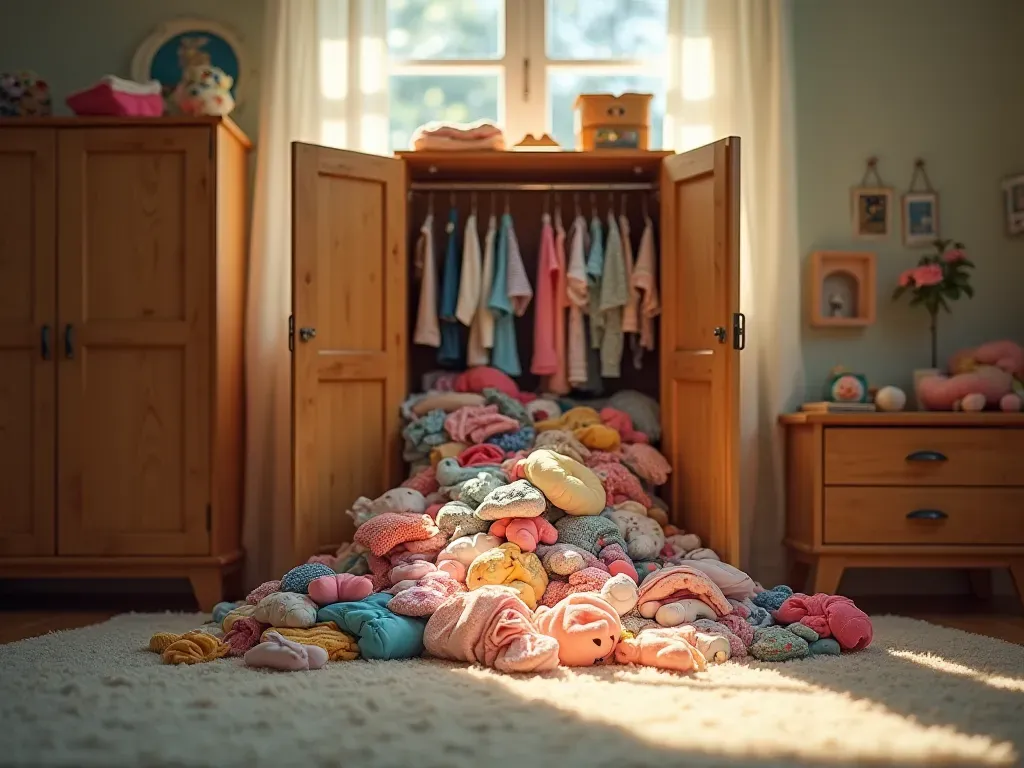
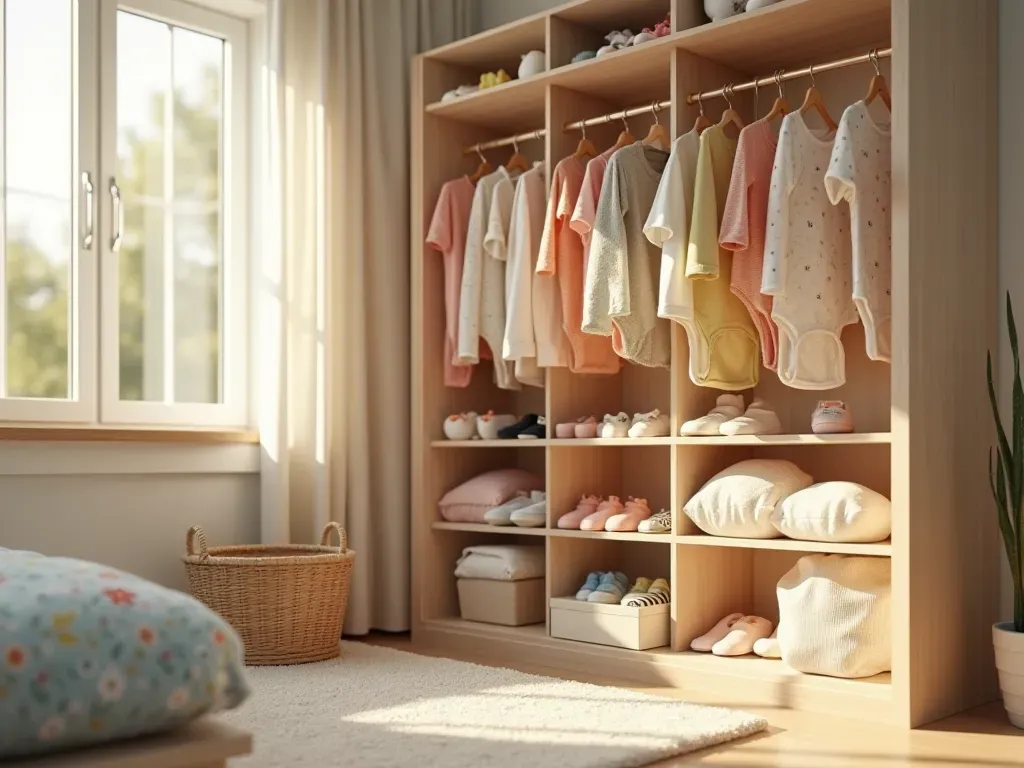
Why Buying Your Baby Clothes a Year Early Is Actually Stealing Money From Your Future Self
The $50 Coat You Are About to Overpay For
It's November. The air smells like roasted nuts, and every store is flooding your feed with photos of children in thick wool coats. You spot a beautiful $85 jacket on sale for $40. Your toddler needs one by December.
So you buy it. You feel smart. Then January hits and your child grows two inches in six weeks. The coat is now too tight around the wrists, and there's still a month of winter left to go.
That's the trap. Most parents think buying ahead means grabbing a size up during a flash sale in October. But that strategy fails, because you're still paying peak-season prices for clothes your child might wear twice.
The real money is made in the summer. Yes, you read that right. If you want to save serious cash on high-quality winter gear for your baby, shop when everyone else is buying swim trunks.
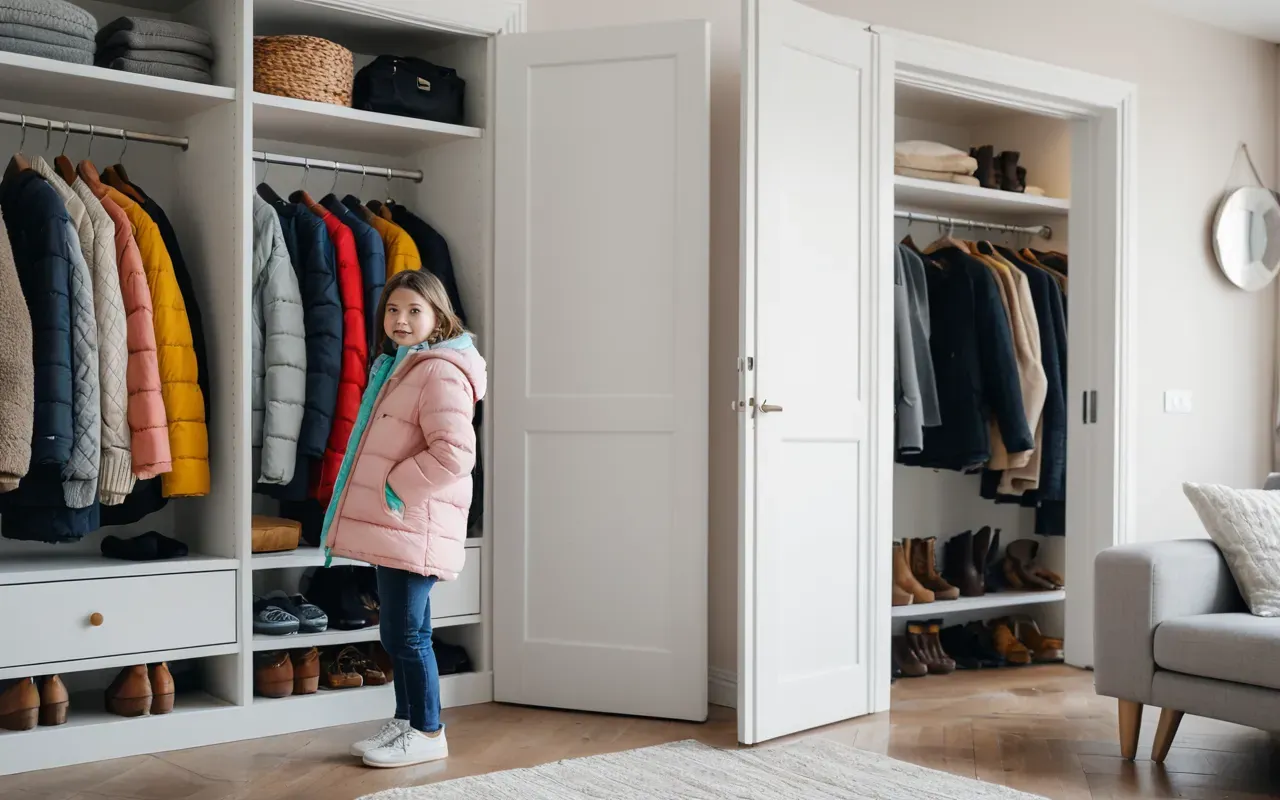
Why Summer Is the Secret Season for Winter Gear
Retailers like Old Navy and Carter's run clearance events at the end of every season. For winter coats, that means July through September is when prices drop to their lowest point.
Here's the thing. A coat bought in July for $20 is often made from the same fabric as one sold in November for $60. The brand hasn't changed its quality standards; they have just adjusted their inventory levels.
I checked a popular children's retailer last month. Their best-selling fleece jacket was $35 in August and $70 in November. That is not a small discount; that is effectively free money you are leaving on the table.
The risk is obvious. You're buying clothes for a season that's eight months away. Your child could grow out of the size entirely before winter arrives.
But pick the right items and that risk disappears. Coats are bulky. They have room to shrink as a child grows into them. A size-up coat bought in summer often fits perfectly by December.
The Specific Items Worth Buying Early
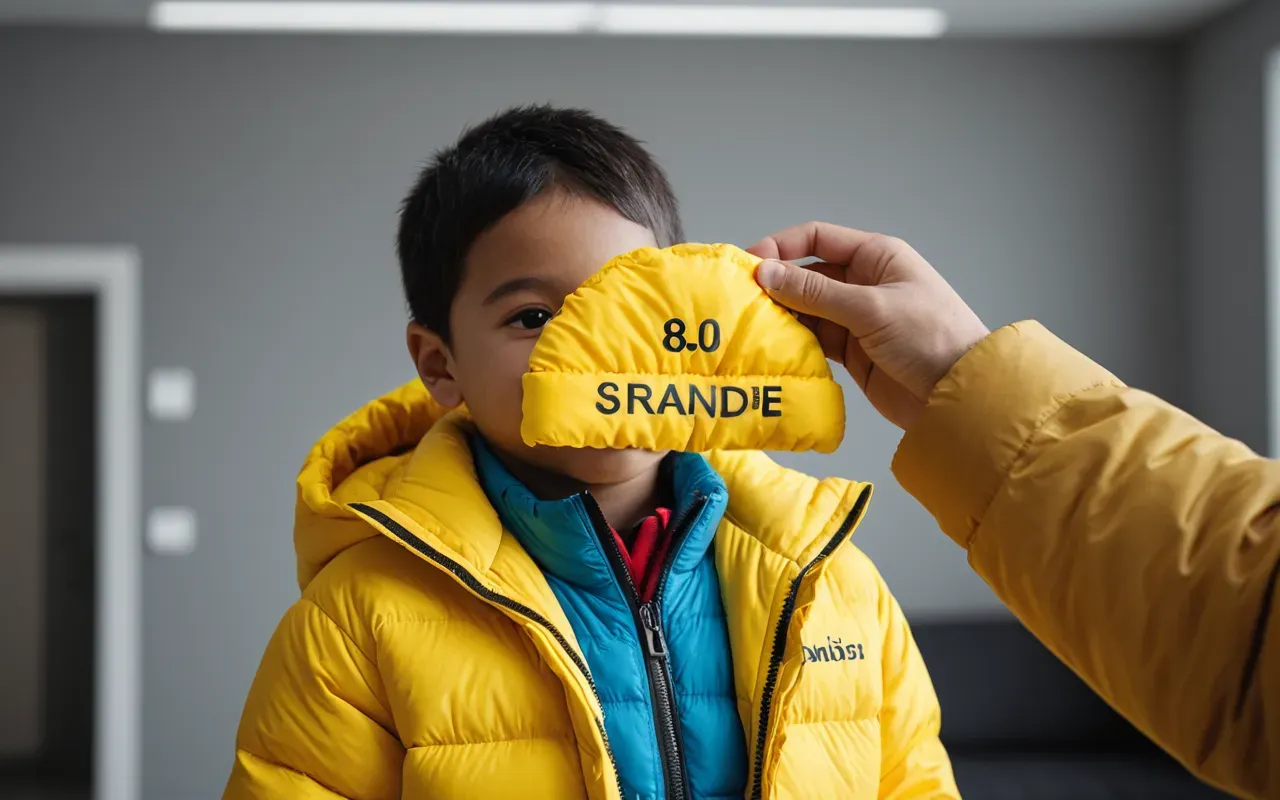
Coats and jackets are the kings of this strategy. They're expensive when new but forgiving in fit. A heavy wool coat that's slightly too big now will be perfect for your toddler's thicker frame later.
Sweatshirts and hoodies work similarly. They're stretchy fabrics that accommodate growth without looking silly. You can buy a size up in the summer and have it ready for fall.
Avoid buying shoes ahead of time. Feet grow fast and in weird ways. A shoe that's one size too big can cause blisters or bad posture. Always buy footwear when the child needs it.
The Storage Problem That Ruins Most Smart Shopping Plans
Parents on Reddit warn about the 'forgotten bin' effect. You buy a great deal in August and toss it into a storage cube under the bed.
Then November comes. You frantically search for a coat and find it buried under a pile of summer toys that were never put away.
The deal you saved on becomes irrelevant, because the clothes are inaccessible when you need them. This is a common failure point that no one talks about.
My solution? Label everything. When I buy a size-up coat in July, I put it on the top shelf of my closet where I can see it every day.
I also use clear plastic bins for anything I buy ahead. If you can't see it, your brain forgets it exists. And if your brain forgets it, you'll go out and buy a new one at full price.
How to Organize Your Advance Purchases
Create a specific section in your closet for 'Future Wardrobe' items. Keep it separate from the clothes you are wearing right now.
Use color-coded tags if your child is still an infant. A blue tag for winter items and a yellow tag for fall gear makes it easy to spot what you have already secured.
If space is tight in your home, consider storing bulky items at a friend's house or using a cheap storage unit. It feels counterintuitive, but it prevents the clutter that leads to impulse buying later.
The Final Sale Trap That Will Cost You Double
This is the most important part. Many clearance items are final sale. If you buy a coat in July and your child skips that size entirely by December, you cannot return it.
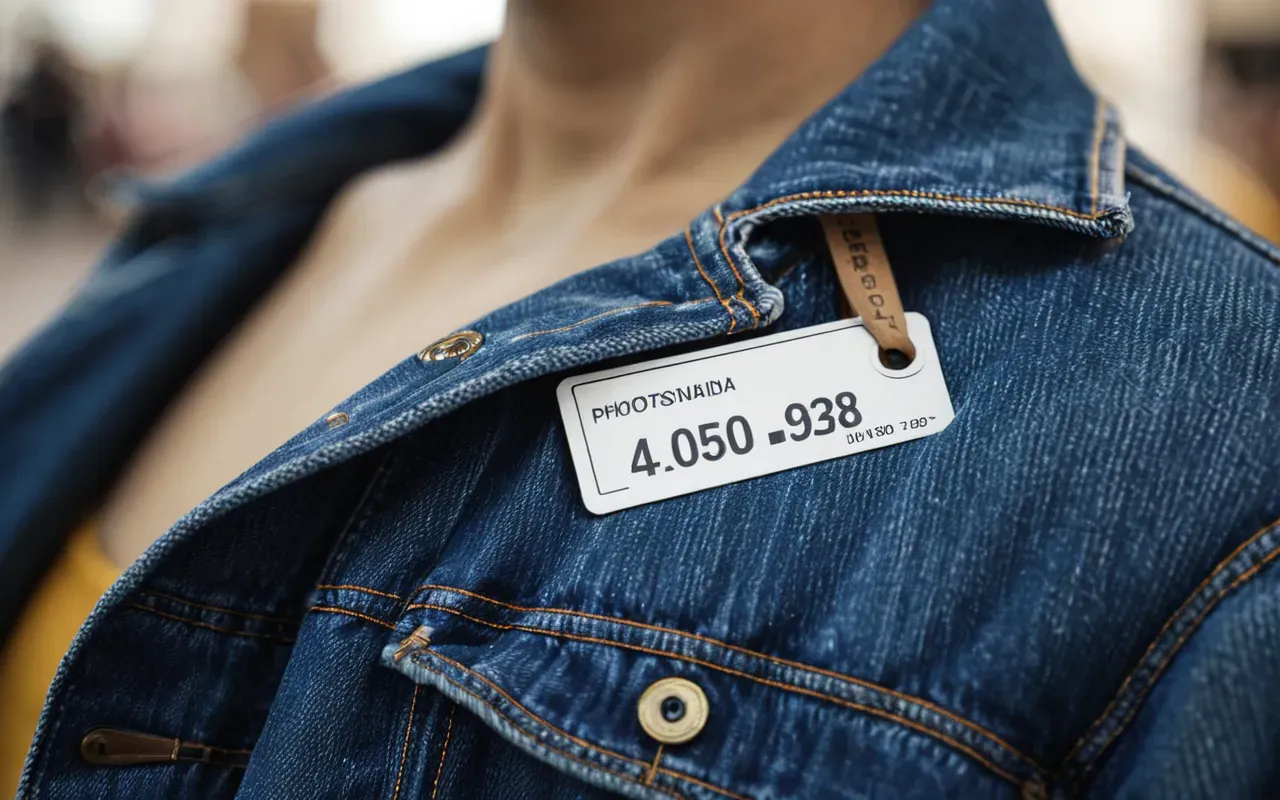
Check the tag before you pay. If it says 'final sale,' think twice about buying more than one size up for items that don't stretch like fleece.
For high-risk items, wait for a regular sale where returns are allowed. Yes, you will pay more than the clearance price, but you keep your option open if growth is faster than expected.
I learned this the hard way last year. I bought three pairs of jeans on clearance in August. By winter, my son had outgrown two of them and they were final sale items.
What to Do With the Clothes You Can't Use
If your child does grow out of an item before you planned to wear it, don't just throw it away. There is real money in used baby clothes if you know where to look.
Platforms that allow you to sell gently used items can turn a 'wasted' purchase into cash. Even if the coat is too big for your child now, it might be perfect for another family.
You can also check out ways to value your existing wardrobe before you decide to give items away for free.
This turns the risk of buying ahead into a low-stakes experiment. If it fits, great. If not, you still get some value back instead of letting it rot in a landfill.
Top Brands That Make This Strategy Easier
Some brands have better return policies and consistent sizing than others. Carter's is known for having year-round clearance sections that are easier to navigate.
Old Navy is another favorite because their sizing tends to run true and they have frequent sales that make it easy to buy a size up without breaking the bank.
If you are looking for higher quality pieces that last through multiple washes and seasons, consider how to care for these fabrics to ensure they stay in good condition.
The Bottom Line on Strategic Baby Shopping
Buying ahead is not about being greedy. It is about being realistic with your budget and your child's growth rate.
By targeting the summer clearance for winter items, you save money and secure quality gear. By avoiding shoes and tight-fitting clothes, you minimize risk.
And by organizing what you buy, you ensure that the savings actually translate into a ready-to-wear wardrobe when winter hits.
Next time you see a deal in July, don't dismiss it. Pick up that coat. Check the tag. Put it on the shelf.
Your future self will thank you when December arrives and your child is warm, stylish, and fully dressed without you having spent a fortune.