The Truth About Fashion Nova Baby Clothes
The Hype Versus Reality
Let's get straight to the point. Social media is flooded with photos of adorable infants rocking outfits from Fast Fashion giants. Parents want their kids to look stylish without emptying their wallets. It makes total sense. I see the posts. I get the appeal. But here is the thing. The camera lens lies. It smooths out the fabric. It hides the loose threads. It ignores the fact that the garment might fall apart after two washes.
I've spent hours analyzing the latest drops. The designs are undeniably trendy. They mimic runway aesthetics at a fraction of the cost. You get the look. The problem? The look rarely survives the reality of parenthood. Toddlers are messy. They drool. They crawl on carpets. They spill juice. Cheap synthetic blends do not handle this kind of abuse. They pill. They shrink. They lose their shape. And suddenly that cute outfit is just a bag of rags.
Quality Control Is A Major Issue
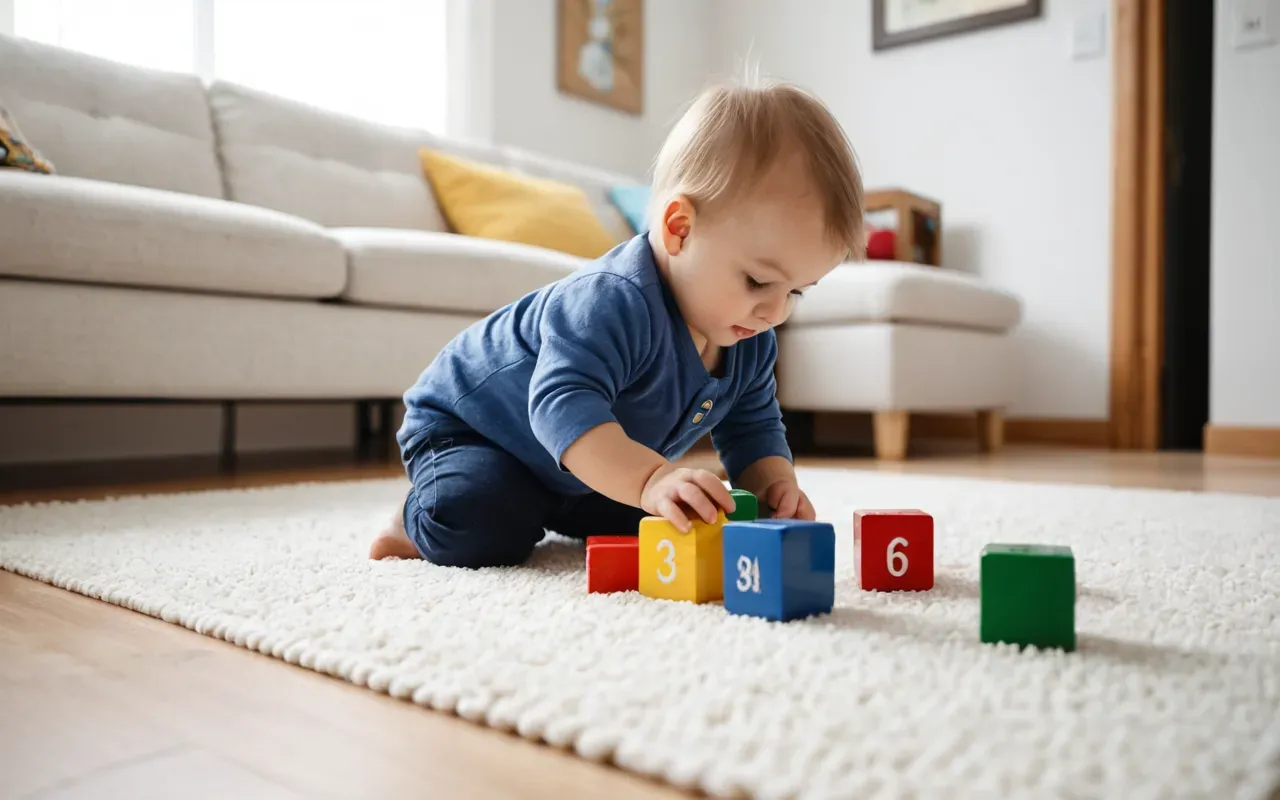
Think about the construction. Fast fashion operates on volume. Speed is their only metric of success. They churn out thousands of units daily. Quality control is an afterthought. I've seen seams unravel on day one. I've seen buttons detach before the first diaper change. It's risky. Especially for infants. Small parts can become choking hazards. Loose threads can wrap around tiny fingers. You really want to take that gamble with your child's safety just for an Instagram photo?
And let's talk about fabric. Breathability matters. Babies overheat easily. Their bodies regulate temperature differently than adults. Synthetic fabrics trap heat. They cause irritation. They lead to rashes. Natural fibers like cotton or bamboo allow skin to breathe. They are gentle. They are safe. Fast fashion relies heavily on polyester and elastane. Why? Because it's cheap. Because it holds dye well. It looks vibrant in the studio lights. But against delicate baby skin? It's a bad choice.
The Environmental Cost
We need to address the elephant in the room. The environmental impact is staggering. Fast fashion is one of the largest polluters globally. Water usage is immense. Chemical dyes poison local waterways. Textile waste fills landfills. Kids grow out of clothes fast. It's a fact of life. When you buy cheap items that fall apart quickly, you create more waste. You buy more replacements. The cycle repeats. It's unsustainable. We owe it to our children to protect their planet.
Consider the alternative. Thrifting is huge right now. Second-hand baby clothes are often barely worn. Babies outgrow sizes rapidly. Many items are in pristine condition. You save money. You save the environment. You get higher quality materials. Vintage pieces often have better craftsmanship. Modern fast fashion items rarely survive more than five washes. A thrifted organic cotton onesie from ten years ago? It will still be soft after fifty washes. Smart shopping means thinking long-term.
What Actually Works For Modern Parents
So what should you buy? Look for brands that prioritize ethics and durability. There are plenty of options. Independent designers often use higher quality materials. They produce smaller batches. They care about their reputation. Yes, the price tag might be higher upfront. But cost per wear drops significantly. A $30 dress that lasts for two children is cheaper than three $10 dresses that shrink and pill. It's simple math. Quality pays off.
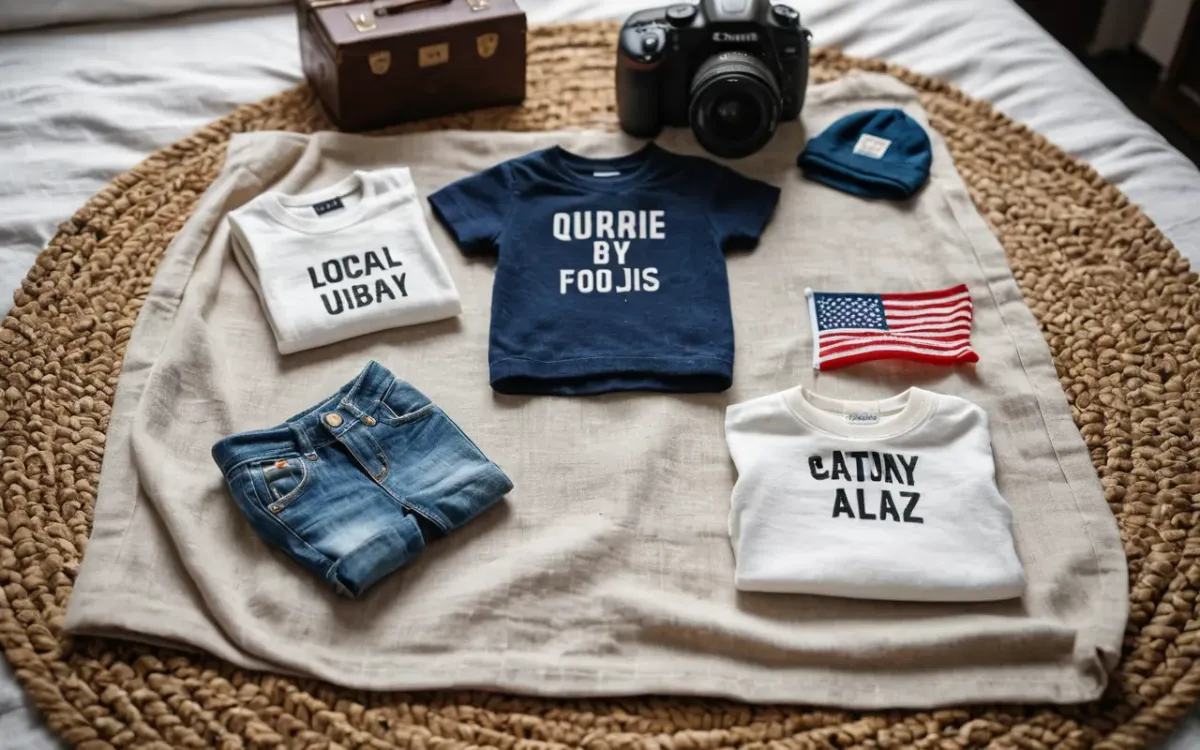
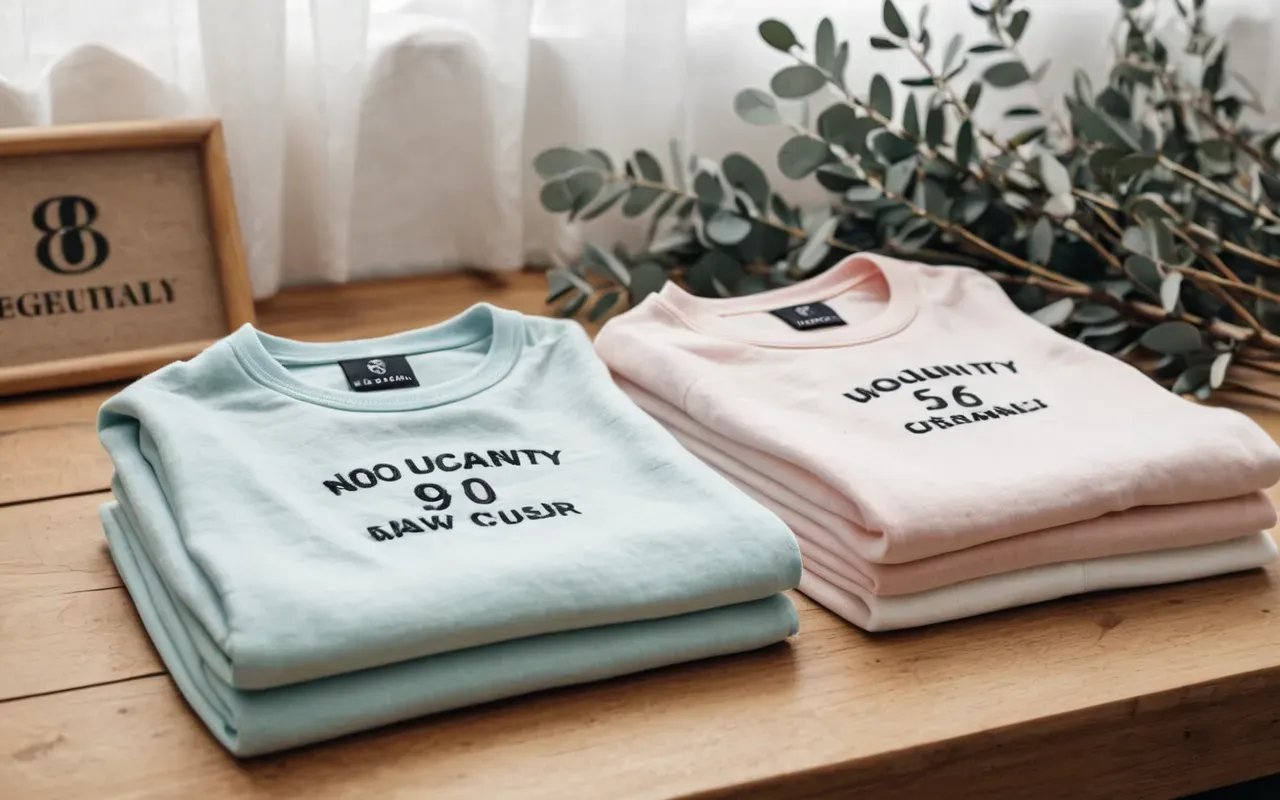
I love seeing parents embrace unique styles. Funny graphic tees are a great example. They add personality. They spark joy. But check the fabric content. Look for pre-shrunk cotton. Check the print quality. Heat transfers crack and peel. Screen prints last longer. Support brands that disclose their supply chain. Transparency builds trust. You deserve to know where your baby's clothes come from. You deserve to know who made them.
Breaking The Social Media Illusion
Social media creates false expectations. Perfect lighting hides flaws. Curated feeds make fast fashion look premium. It's a marketing tactic. Influencers get paid to promote these brands. They don't always disclose the deal. They don't always wash the clothes. They just take one photo and move on. Don't fall for it. Judge the product by its construction. Judge it by how it feels. Judge it by how it holds up after repeated use. Reality matters more than aesthetics.
Parents are smart. You know your baby best. You know what they need. Comfort comes first. Style comes second. Never compromise safety for trends. If a garment feels scratchy, put it down. If the seams look weak, walk away. Trust your instincts. You are the expert on your child. No algorithm knows them better. No marketing campaign understands their needs. You do.
Finding Your Balance
It is okay to enjoy fashion. Kids deserve to look cute. Parents deserve to feel proud of their choices. Just be selective. Mix high quality staples with occasional trendy pieces. Invest in basics. Onesies. Sleepers. Everyday wear. These get the most use. Make them durable. Reserve the flashy items for special occasions. Birthdays. Photoshoots. Holidays. Use them sparingly. This approach saves money. It reduces waste. It keeps your baby comfortable.
Educate yourself. Learn to read care labels. Understand fabric blends. Know what to look for. GOTS certification ensures organic standards. OEKO-TEX guarantees low chemical content. These labels matter. They protect your child. They protect the planet. Knowledge is power. Use it wisely. The industry relies on your ignorance. Break that cycle. Make informed decisions. Your baby will thank you.
Understanding Fabric Safety
Synthetic fibers shed microplastics. These particles enter water systems. They harm marine life. They eventually return to our food chain. Natural fibers biodegrade. They return to the earth. It's a simple choice. Choose natural. Choose safe. Choose wisely. Every purchase is a vote for the kind of world you want to live in. And yes. Your baby deserves the best. Not just in looks. But in health. In safety. In longevity.
The Bottom Line
Trends fade. Quality endures. Cheap clothes cost more in the long run. They harm the environment. They risk safety. They frustrate parents. Invest in better options. Thrift. Support ethical brands. Buy less. Choose well. This is not just about fashion. It's about values. It's about responsibility. It's about love. Show your baby you care by choosing clothes that respect them. Respect the planet. Respect the workers who made them. That is true style.
Frequently Asked Questions
Are Fashion Nova Baby Clothes Safe?
Safety varies by item. Fast fashion often lacks rigorous testing standards. Synthetic fabrics may cause skin irritation. Small decorative elements can detach and become choking hazards. Always inspect garments thoroughly before dressing your child. Check seams, buttons, and print quality closely. If anything feels loose or scratchy, do not use it. Prioritize certified safe materials for infants under six months.
How Long Do Cheap Baby Clothes Last?
Most cheap garments last only a few washes. Synthetic blends pill quickly. Seams unravel under stress. Colors fade rapidly. Quality items can last through multiple children. Durability depends heavily on fabric content and construction. Cotton and reinforced stitching hold up best. Expect fast fashion items to degrade after five to ten cycles. Invest in basics for longevity.
What Is The Best Fabric For Babies?
Organic cotton is ideal. It is soft, breathable, and hypoallergenic. Bamboo viscose is also excellent for temperature regulation. Avoid polyester and nylon blends. They trap heat and shed microplastics. Look for GOTS or OEKO-TEX certifications. These ensure low chemical content and ethical production. Natural fibers protect sensitive skin and reduce environmental impact significantly.
Can Thrifting Be Safe For Baby Clothes?
Yes, if you wash them properly. And I mean properly — always run second-hand items through a hot water cycle before using them. That gets rid of bacteria, viruses, and any leftover chemicals from the previous owner. Give everything a close look, too. Check for damage or missing parts. I'd skip anything with heavy stains or funky odors. Look, thrifting is a solid eco-friendly and budget-conscious choice. You'll often find higher quality materials than the new fast fashion junk out there. Just be smart and practice good hygiene.
Why Do Fast Fashion Brands Use Synthetic Fabrics?
Synthetics are cheaper to make. That's the bottom line. They hold bright dyes really well and require less water and energy to manufacture. But brands prioritize profit over comfort or sustainability — no surprise there. Here's the thing: polyester just doesn't breathe as well as cotton. It traps moisture and heat, which leads to skin irritation for babies. Understanding these motives helps consumers make smarter purchasing decisions. So choose natural fibers whenever possible.