The bamboo baby clothes label that is legally misleading thousands of parents
The word on the tag is not the whole story
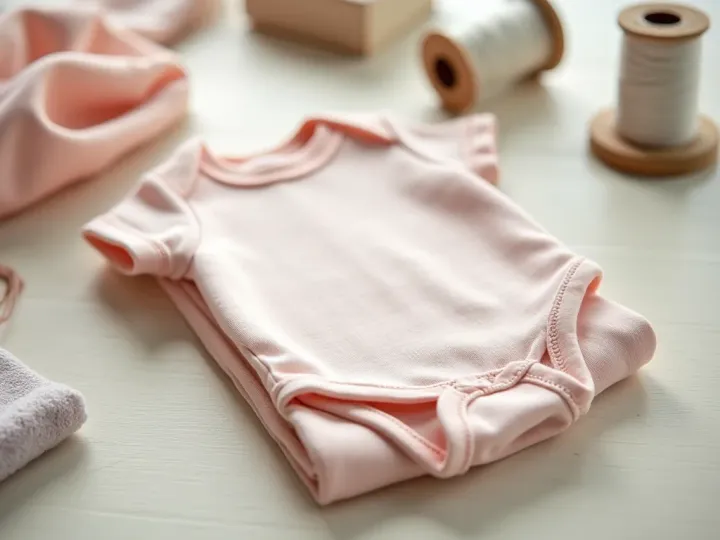
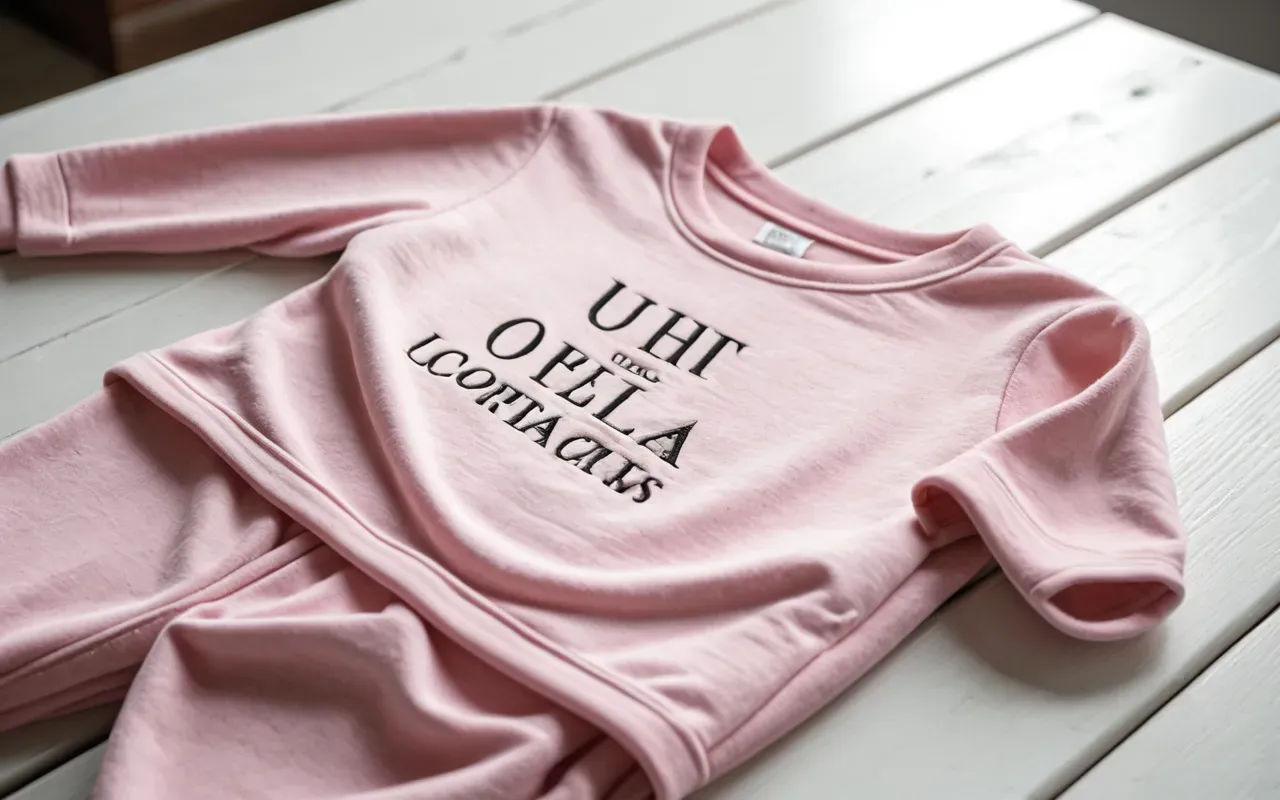
I held a pair of soft pink pajamas last week and felt that familiar tingle. The fabric was impossibly smooth against my fingers. It drape like liquid silk. But then I looked at the price tag and something clicked in my brain.
We have all fallen for the marketing. We see the word bamboo and we assume it is pure nature. We imagine a sustainable forest and gentle breezes. But here is the hard truth that most shoppers miss.
The fiber you are buying is often not bamboo. It is a processed chemical derivative of the plant. And that distinction changes everything about how you should buy and wash these items for your little one.
Why the label language matters more than you think
Regulatory bodies like the FTC have specific rules about this. They require manufacturers to be precise. If it is a regenerated fiber, they must say so clearly on the tag.
This is not just legal jargon. It is your shield against false expectations. Knowing the exact material helps you understand its durability and care needs better.
What the word bamboo actually means in textile terms
Let me be blunt. Most baby clothes labeled as bamboo are actually viscose made from bamboo. That is a long phrase but it tells you the truth.
True raw bamboo fiber is rare and expensive. It does not have the same stretch or drape that we love in modern apparel. So manufacturers process the plant into pulp.
That processing creates a smooth and stretchy fabric. It is not bad in itself. But you should not assume it has magical antibacterial properties just because of the name.
The softness test is only half the battle
I remember buying a set that felt luxurious but tore at the elbow within two weeks. The fiber was fine. The construction was terrible.
Look at the seams next time you shop. Flat seams and tagless labels are small details that make a huge difference for sensitive skin.
A soft fabric with rough stitching will still irritate your child. So you need to judge the whole garment not just the touch.
Why size charts lie to you more often than not
This is the part that frustrates me the most. You buy a size two toddler set because your kid is three. It should fit right.
But for sleepwear there are safety rules. Loose fits can be dangerous near open flames or heaters in the home environment.
So brands make these items snug. If you buy a size up it becomes baggy and potentially unsafe or just uncomfortable for the child to move in.
How to check the actual measurements before you buy
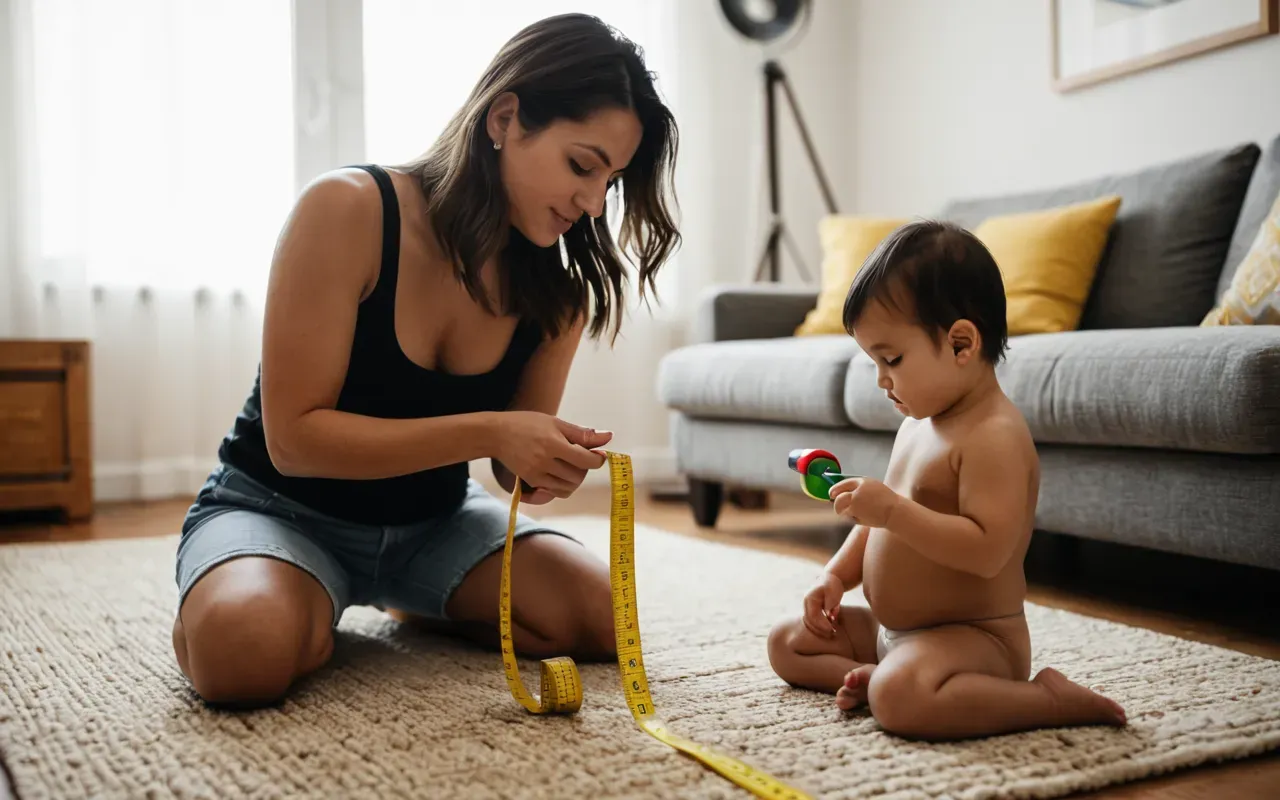
Do not rely on the size label alone. Measure your child's chest and waist with a soft tape measure. Then compare those numbers to the specific product chart.
Every brand has different tolerances. A size six in one store might be a size seven in another. Always check the detailed measurements.
If you are struggling with fit issues I wrote about why those baby clothes size charts are wrong and how to fix the problem at home.
The laundry trap that ruins expensive bamboo sets
Here is where the romance dies. You buy a beautiful set and wash it in warm water because that feels clean. Then you tumble dry it on high.
Bamboo viscose is delicate. It needs cold water and gentle cycles. If you ignore that it will shrink or lose its shape quickly.
I have seen parents throw away perfectly good clothes because they did not read the tag. The material was fine but the care routine destroyed it.
A simple checklist for your next laundry load
Always read the care label before you put anything in the machine. Check if bleach is allowed or forbidden. Many bamboo blends do not tolerate chlorine well.
Low heat drying is usually the best option. Air drying can help preserve the stretch and softness of the fabric over many washes.
If you want to know more about avoiding these mistakes check out how you are wasting hundreds of dollars on baby clothes that fail the first wash.
Why your closet is full of clothes they refuse to wear
This happens to every parent I talk to. You buy five outfits in one size because they were on sale. Then your kid grows out of them in a month.
Or they grow too fast and the next size up is still tight. You are stuck with a closet full of unused fabric gathering dust.
The real issue is that we buy based on looks not function. We ignore the stretch and fit because the color was cute.
How to stop the cycle of waste and frustration
Buy fewer items but better ones. Focus on stretch and durability instead of just having a lot of pieces in the drawer.
Think about how many times you will actually wear each piece. If it is only for photos maybe skip the expensive option entirely.
I have seen this pattern in so many homes. It is time to break it and start buying with a clear mind and specific needs.
The three question test before you add to cart
I use a simple mental checklist every time I shop. It takes less than five minutes and saves me from buyer's remorse later.
First question can I verify the material. Look at the fiber breakdown. If it is vague or missing that is a red flag to move on.
Second question does the construction suit the job. Check for flat seams and proper fit. A pretty picture does not guarantee comfort in real life.
Third question will the care routine work at home. If you do not have time for hand washing skip it. Choose fabrics that fit your life.
Applying the test to a real product example
Take that pink unicorn set I mentioned earlier. It has flat seams and four-way stretch. Those are good signs for comfort.
But check the size range. If it is for toddlers two to twelve you should not buy it for an infant under one year old.
The material is bamboo viscose. The care says cold wash and low dry. That fits a standard household routine so it passes the test.
Why natural does not always mean safe or healthy
There is a myth that plant-based means automatically good. But the processing chemicals can leave residues if not washed properly.
Some parents worry about dyes and finishes. That is why I recommend washing new items before your child wears them for the first time.
If you are concerned about hidden chemicals in your child's wardrobe I wrote a piece on the toxic secret hiding on that brand new baby outfit that every parent should read.
What to look for on the care label specifically
Look for symbols that indicate temperature limits. A triangle with a cross usually means no bleach is allowed on the fabric.
A square with a circle inside means tumble dry is allowed. If there are dots under it that indicates the heat level you should use.
Learning these few symbols can save your favorite baby outfits from the dryer and keep them looking new for months.
Building a wardrobe that actually works for your family
The goal is not to have the most expensive clothes. It is to have pieces that fit well last long and are easy to maintain daily.
Focus on basics that you can mix and match. A few high-quality bodysuits and pants will serve you better than a closet of one-off outfits.
Save the fancy pieces for special occasions only. That way they do not get ruined by daily messes and spills on the floor.
Final thoughts on making smarter purchases today
Next time you see a bamboo label do not stop there. Dig deeper into the fiber type and construction details before buying.
Your child's comfort depends on it. And your wallet will thank you too when you stop replacing torn or shrunken items constantly.
Honestly, it's a small shift in how you shop, but over time it makes a big difference. Trust the label, not just the marketing hype on the page.