The $15 Onesie That Makes Luxury Baby Brands Look Stupid
The expensive lie we keep buying
Look. I have wasted an embarrassing amount of money on tiny shirts that got peed on within the hour. We convince ourselves that better means pricier. For babies, that logic just falls apart.
Healthline recently published a massive roundup of the best baby clothes brands. They lined up high-end labels next to budget staples and compared them head to head. The verdict genuinely surprised me.
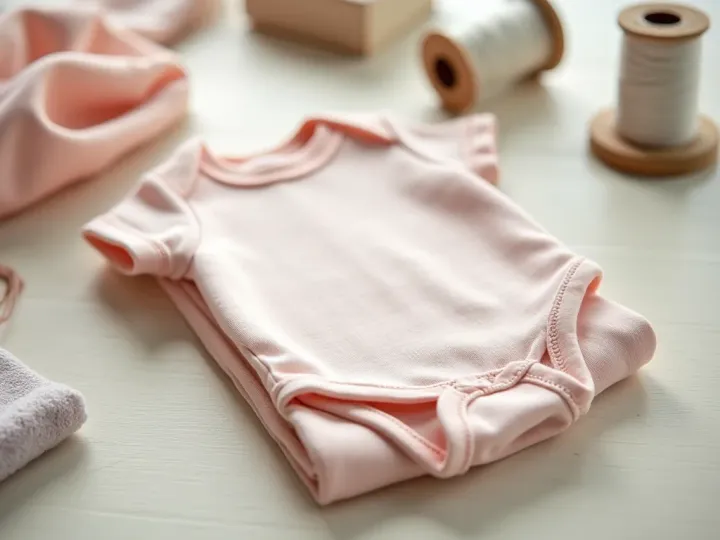
Here's the truth: a fifteen dollar onesie from a big box store often beats the forty dollar organic cotton bodysuit. I know it sounds wrong to say out loud.
But look at the reality. Babies outgrow sizes in a matter of weeks. You are essentially paying for a brand name that disappears the moment they move to the next size up.
Why your wallet hurts so much
New parents get slammed with marketing telling them quality equals price. And it's a trap. We see it everywhere, from strollers down to tiny socks.
The whole industry feeds on our anxiety. We want the safest, softest, best thing for our kids. So we fork over a premium for peace of mind that mostly comes from clever marketing copy.
If you have ever felt guilty about dressing your newborn in thrifted clothes, you are not alone. The pressure to buy new, to buy name-brand, is relentless.
The brands that actually deliver value
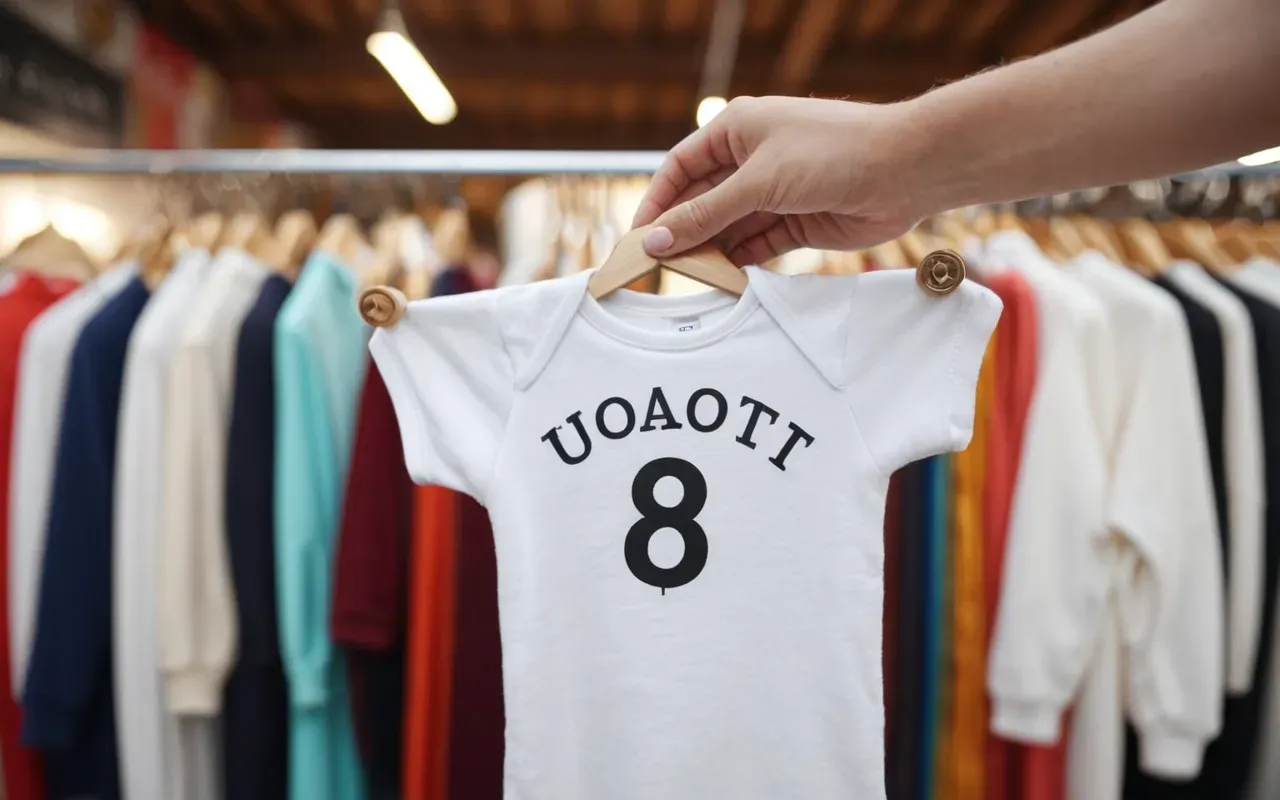
Healthline vetted a ton of names and discovered that the best value often hides in plain sight. Gerber Childrenswear is a prime example.
They own the onesie trademark for a good reason. Their multi-packs are absurdly cheap, and they cover every size from birth all the way to five years old.
But do not overlook Old Navy either. Their baby line feels fresh and trendy. You can build an entire capsule wardrobe for less than the price of a single luxury jacket.
Want to save even more? Check out Old Navy's recent drop that makes the high-end brands look ridiculous. It is an absolute steal.
The organic fabric debate
Now let's talk materials. Organic cotton is great, no doubt, but it costs more. Brands like Kate Quinn offer a solid middle ground.
They work with bamboo and modal, which are soft and stretchy. That is a smart pick for sensitive skin, without the massive price tag of pure organic cotton.
Still, be careful with labels. Some brands toss around the word organic pretty loosely just to boost sales, while using mixed materials that are not fully certified.
There is a real problem with misleading bamboo labels that tricks thousands of parents into believing they are buying pure, eco-friendly goods.
The sizing trap that ruins your budget
Here is another thing. Size charts are often wrong, or wildly inconsistent between brands. That leads to returns and wasted money.
I once bought a dozen newborn onesies because the website swore they'd fit. Half of them were way too tight for my baby, who was sitting in the ninety percentile.
Carter’s handles this better with their dedicated preemie shop. They get that not every baby fits the standard mold of a three month old.
If you are wrestling with this issue, check out why those size charts are wrong and fix your shopping strategy today.
Why you are buying too much
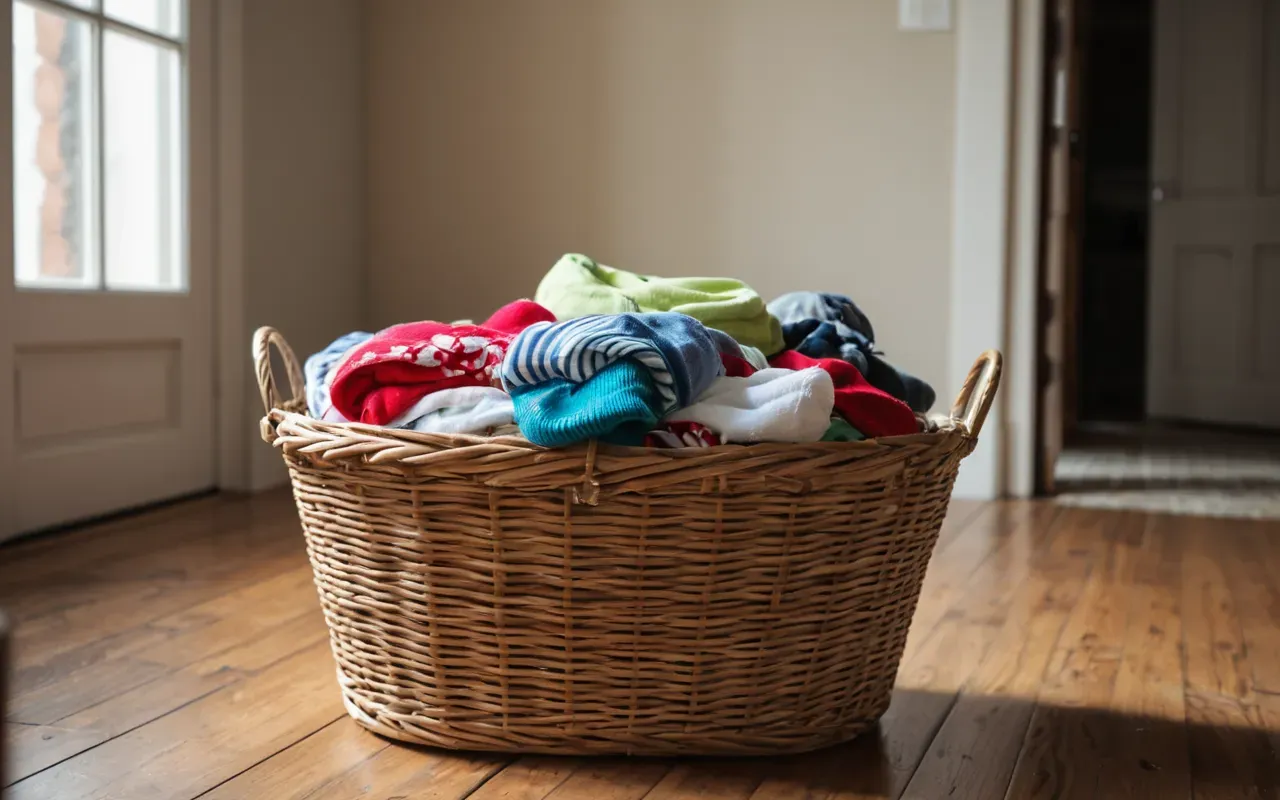
Most parents end up with a closet stuffed with unused items. It is a classic case of impulse buying driven by cute graphics.
The bright colors and funny slogans are engineered to spark an instant emotional reaction. You buy the shirt because it makes you smile in that exact moment.
But does your toddler care about the slogan? Nope. They just want to crawl around and eat dirt. The cute factor fades fast.
The real problem is that we treat baby clothes like fashion statements when they are really just short-term, disposable garments for a few months.
The sneaky marketing tactics to avoid
Brands know exactly what they are doing. They roll out limited edition drops to manufacture a sense of urgency that makes zero sense for infants.
You feel like you will miss out if you do not grab that specific graphic tee today. That is a calculated psychological trigger.
There is often a sneaky marketing trick behind every cute outfit you think you just discovered on your own.
Your best defense is a strict budget. Decide what you are willing to spend each month, and stick to it no matter how adorable that sale looks.
What actually matters for your child
Forget the brand name. Focus on function. Snaps at the crotch are non-negotiable when you are doing hundreds of diaper changes.
Fabric breathability matters too. Cotton and linen are great because they do not trap moisture against delicate skin during long naps.
Also check the tags. Plenty of modern brands use printed labels or soft tags to prevent irritation on sensitive necks and backs.
If you want something stylish that still prioritizes comfort, look at Posh Peanut. Their bamboo gowns are soft and photograph beautifully.
But honestly, a simple white onesie from Walmart is often the best choice for daily wear. It washes well and always looks clean.
The sustainability angle you ignore
We talk a lot about eco-friendly fabrics, but rarely about the waste. Buying too much new clothing is inherently wasteful for a growing child.
Patagonia gets this right with their ironclad guarantee. They push repair and reuse rather than constant replacement of gear.
You should seriously consider buying secondhand or passing clothes down. It is the most sustainable route, and it saves a ton of money too.
The best luxury brand is the one that lasts. If a garment survives three washes and gets handed down to a younger sibling, it has done its job.
The bottom line for smart parents
Stop overthinking the wardrobe. Your baby does not care about the label on their back. They just want to be comfortable and fed.
Buy basics in bulk. Splurge on one or two special occasion pieces if you really want to. But do not let the marketing hype drain your bank account.
The most fashionable thing you can do is be realistic. Save your money for the experiences that will actually stick with your child later.
If you are still unsure where to begin, check out this guide on wasting money on clothes that will not survive the first wash cycle.