Your baby is wearing a color that was once for kings

The Pink Onesie That Broke the Internet
Rihanna didn't drop a new album. She posted a photo of her newborn son wearing a bright pink top. Within minutes, the comments section was chaos.
People were confused. Some were outright angry. They kept asking if she'd actually given birth to a girl. That reaction says a lot about how uncomfortable we are with how we dress children.
We're fine with girls in camo or denim. But boys in ruffles or pastel colors? Absolutely not. Why is that line so hard for infants who can't even walk yet?
Last month I watched a dad hesitate at a store shelf. He picked up a lavender romper for his daughter, then immediately put it back. He was afraid of being judged.
He wasn't buying a dress. He was buying safety from social friction. That's the real product we're selling to modern parents.
Why We Think Pink Is Feminine
Most people think pink has always been for girls. That belief is completely wrong and historically inaccurate.
Before the twentieth century, babies wore white. It made sense practically — you could bleach it over and over without ruining any dyes.
In the early 1900s, magazines actually recommended pink for boys. They called it a strong, powerful color derived from red.
Blue was considered delicate and dainty, meant for girls. The whole script got flipped by post-war marketing strategies.
Companies wanted to sell separate wardrobes for every child. They needed a visual cue shoppers could grasp instantly.
They landed on pink and blue because the colors contrasted well on store shelves. Nothing to do with biology or nature.
By the 1970s, pink for boys was already a rarity. It took less than a century to erase what had been normal for decades.
The Psychology Behind the Outfit Choice
A 2014 study found that people chose different medical treatments for babies based purely on shirt color.
They were less willing to take risks for boys dressed in blue. Color literally changed how we perceived their vulnerability.
This isn't just about aesthetics. It's about how we assign value and fragility to human beings before they can even speak.
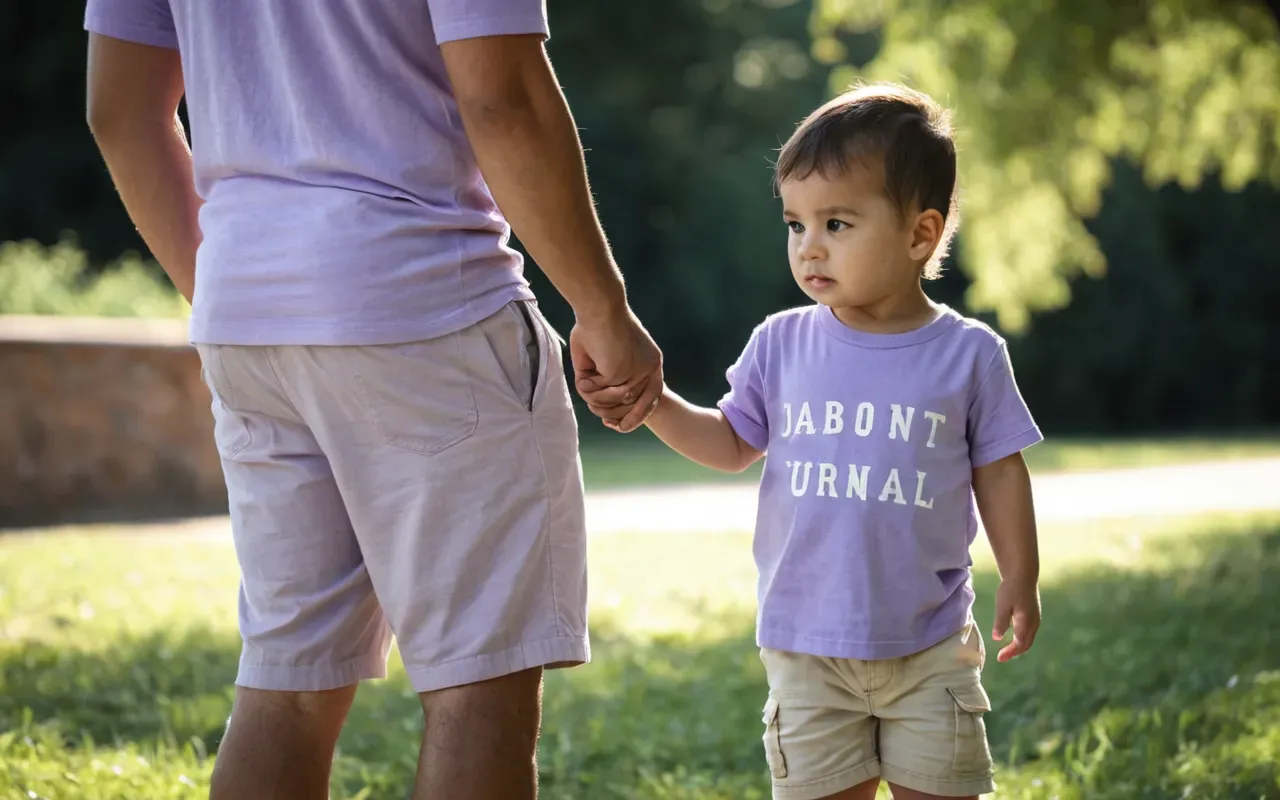
When we tell a toddler that pink is wrong for him, we're teaching them to police their own identity at age two.
Children are hyper aware of social cues. They notice when other parents look away or comment on their clothes.
That feedback loop builds anxiety that sticks around into adulthood. It's invisible, but it shapes behavior in real ways.
How Brands Are Breaking the Mold
Some companies are pushing back against rigid gender expectations by designing for all children.
Mori doesn't organize its website by gender. It sells patterns and colors without labels that limit who can wear them.
Their senior buyer said the goal is for clothes to be passed from brother to sister or cousin to friend.
This approach makes financial sense too. You buy less because the items aren't locked into a single child's gender identity.
Stereotype Kids was founded by a mother whose son loved skirts and whose daughter liked camo.
She watched how society reacted differently to each child. The boy faced correction while the girl was basically ignored.
She wanted to create a space where no child is limited by what society thinks they should wear.
What This Means for Your Wallet
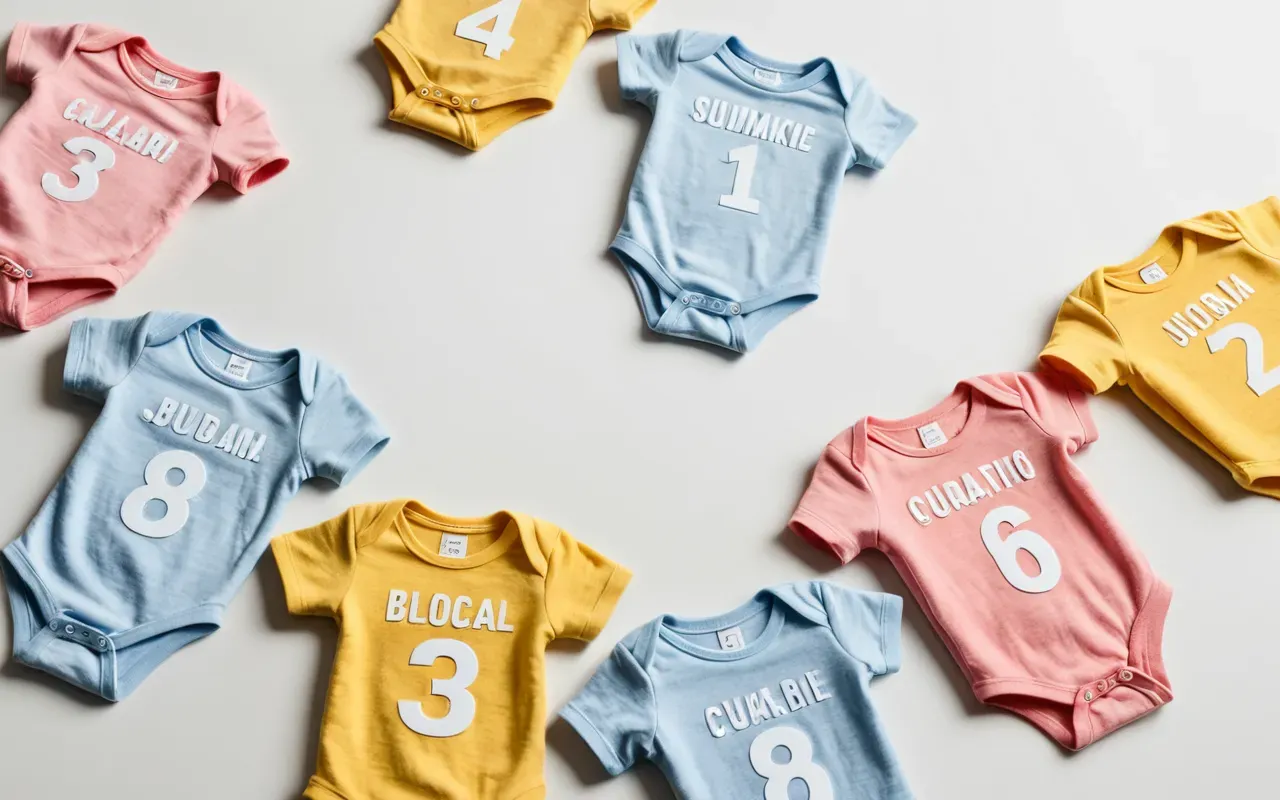
Buying gender neutral clothes is often cheaper in the long run. You avoid buying duplicate items for siblings.
If you have a son and a daughter, you can rotate the same high quality pieces between them.
That's especially true for durable brands that use reinforced stitching and high quality fabrics.
You're not just saving money. You're reducing waste and making a statement about what values matter to your family.
I've seen parents spend hundreds on tiny outfits that get worn once because they were too specific to one gender.
Choosing versatile pieces lets you focus on comfort and fit instead of conforming to outdated norms.
The Role of Social Media in Shifting Norms
Celebrities like Rihanna are normalizing unconventional choices for their children in front of millions.
When a global icon wears her son in pink, it sends a signal that this choice is acceptable and even stylish.
That creates a ripple effect, and regular parents feel more permission to try new styles for their kids.
We're seeing a gradual shift where the fear of judgment is starting to fade for many families.
How to Choose Clothes That Last
Look for brands that prioritize fabric quality over trendy graphics or gimmicks.
Check the stitching and the buttons. These small details determine if the item will survive daily wear.
If you're looking for more tips on buying smart, check out this article about wasting money on clothes that wash poorly.
Also consider the environmental impact of your choices. Fast fashion is a huge problem in this sector.
Choosing durable and versatile items helps reduce the amount of textile waste entering landfills every year.
It's a small step, but it contributes to a larger movement toward more responsible consumerism.
The Future of Gender Neutral Fashion
I believe we're going to see more brands drop gender categories entirely within the next decade.
The younger generation is less interested in rigid labels and more focused on self expression.
They see clothing as a tool for creativity, not as a badge of conformity.
This shift will likely start in the baby market and then move up to older children.
If you want to stay ahead of this trend, now is the time to start building a versatile wardrobe for your child.
You're not just buying clothes. You're voting for the kind of society your child will grow up in.
Final Thoughts on Breaking the Color Code
Pink is not feminine. Blue is not masculine. These are just colors that marketing companies decided to sell you.
When we let go of these artificial boundaries, we give our children more freedom and less stress.
The next time someone comments on your baby's outfit, remember that they're reacting to a marketing campaign, not reality.
Keep your child comfortable, keep them stylish, and let them be exactly who they want to be.
If you're interested in how cultural shifts affect this trend, take a look at the surprising power of baby fashion as a reflection of cultural shifts.
It's time to stop asking if a color is allowed and start asking if it makes your child happy.
That's the only metric that really matters when it comes to dressing your little one.