The Hidden Power of Modern Baby Fashion and Its Impact on Cultural Identity
Why Baby Fashion Is Now a Reflection of Cultural Identity in 2026
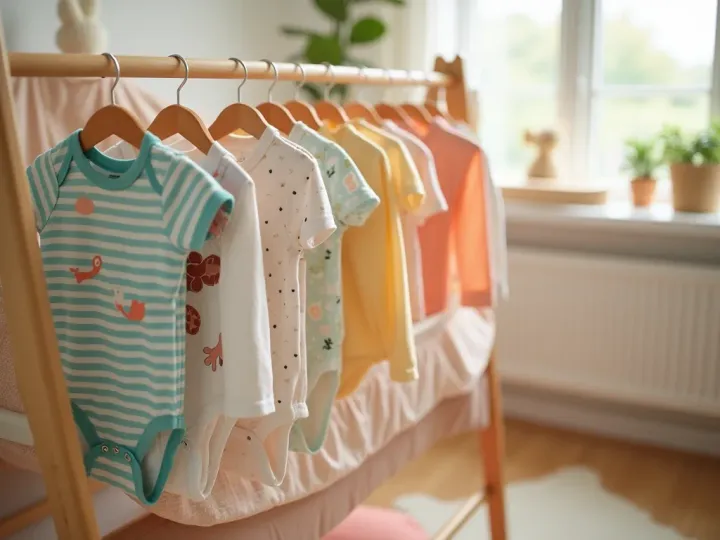
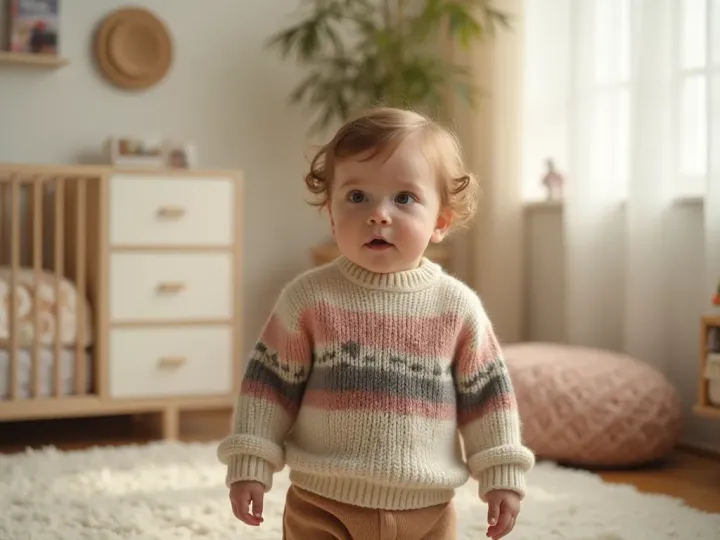
In recent years, baby clothing has transcended its traditional role of practicality to become a powerful cultural statement. What used to be simple onesies and basic rompers now showcase bold graphics, humorous slogans, and eco-friendly fabrics that embody a parent's personality and worldview. This shift is no coincidence but signals a broader societal movement: fashion as a form of self-expression that begins at the earliest stages of life. The latest collections from brands like Boden and independent labels such as Tinycottons demonstrate how modern parents are choosing clothing that communicates their values, humor, and style preferences. Crucially, these choices challenge the outdated notion that children’s clothing should be subdued or purely functional, ushering in an era where kids' wardrobes are as expressive as their parents’ fashion statements. This cultural evolution highlights a significant trend: that even the smallest members of society are now seen as vessels for identity, politics, and personality. The small but impactful act of dressing a child in a cheeky graphic tee or sustainable, artisan-made romper embodies a parent's desire to make a statement from infancy, shaping how future generations think about individuality and societal values.
The Controversy Over Commercialization versus Authentic Cultural Expression
While the mainstream embrace of high-style baby clothes has been celebrated by many parents eager to showcase their individuality, it has also sparked debate about commercialization’s influence on childhood innocence. Critics argue that the saturation of brands marketing humorous, trendy, and luxury infant apparel commodifies childhood, transforming it into a spectacle that caters more to parental status than genuine self-expression. Conversely, proponents see the trend as a natural evolution—an opportunity for parents to communicate their values, humor, and aesthetic sensibilities through their children’s wardrobe. This tension reveals a deeper societal question: how much of what children wear should serve as a reflection of individual identity versus commercial interests? Brands like Sleepy Doe and Organic Zoo are at the forefront of this debate, investing in ethically made, sustainable collections that aim to balance style with authenticity and social responsibility. Ultimately, this controversy underscores an evolving understanding: that even childhood attire is no longer just about looks but about the values we want to instill and project at society’s earliest stage.

Who Really Benefits From This Cultural Shift in Baby Fashion
The explosion of stylish and humorous baby clothing is, on one level, a boon for innovative brands and independent designers who prioritize creativity, sustainability, and quality. Companies like Bobo Choses and Konges Sløjd are thriving, capturing the attention of modern parents seeking unique pieces that stand out in the playground or family gathering. However, this trend also benefits a more insidious group: the consumer culture that overprices and overmarkets childhood as a commodity of status and design. Parents are faced with a paradox: while they desire meaningful self-expression for their children, they also confront an industry driven by profits from rapidly changing trends. Who loses in this scenario? Smaller independent brands without the marketing budgets of giants struggle to compete, and the environment pays the price as fast fashion proliferates in a space that used to be about durability and simplicity. Ultimately, this cultural shift creates a marketplace that benefits both the vibrant, ethical brands redefining childhood fashion and the industry’s largest corporations seeking to capitalize on the trend—sometimes at the expense of authenticity and sustainability.

The Underreported Power of Children’s Fashion to Shift Societal Norms
Most discussions around fashion focus on adult trends and industry giants shaping the runways, yet the role of children’s fashion in transforming cultural norms remains underreported. Dressing infants and toddlers in expressive, humorous, and sustainability-driven pieces isn't merely about aesthetics; it signals a willingness to challenge traditional notions of childhood innocence and conformity. The fact that modern parents now seek to reflect their political beliefs, environmental concerns, and sense of humor through tiny outfits introduces a new form of early childhood socialization. This trend aligns with broader societal conversations about individual rights, environmentalism, and cultural plurality that are increasingly relevant for young generations. The works of brands like Frugi and Little Green Radicals exemplify how fashion becomes a tool to instill values and foster resilience from the very beginning. We are witnessing a quiet but profound shift — a movement that could redefine childhood as not just a phase but a stage for societal activism and cultural expression that begins with the smallest wardrobe choices.