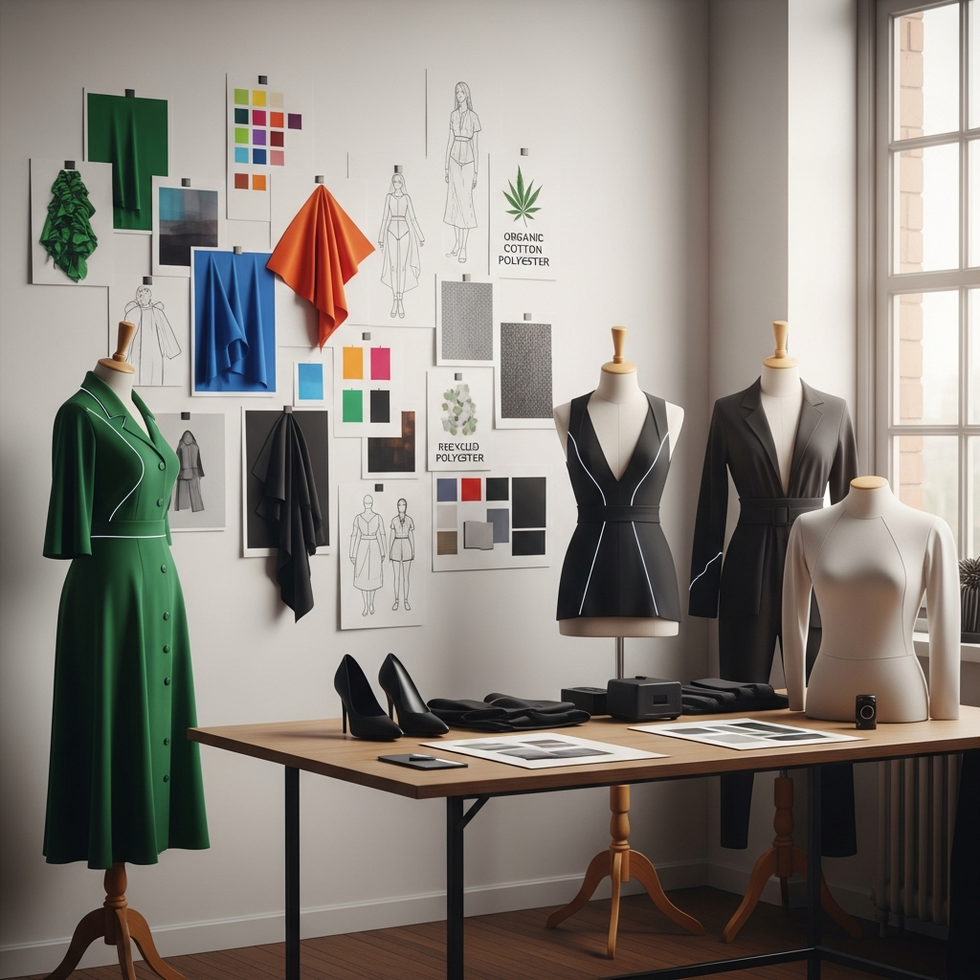
The Year of Mobile Body Modification Transforming Identity and Culture
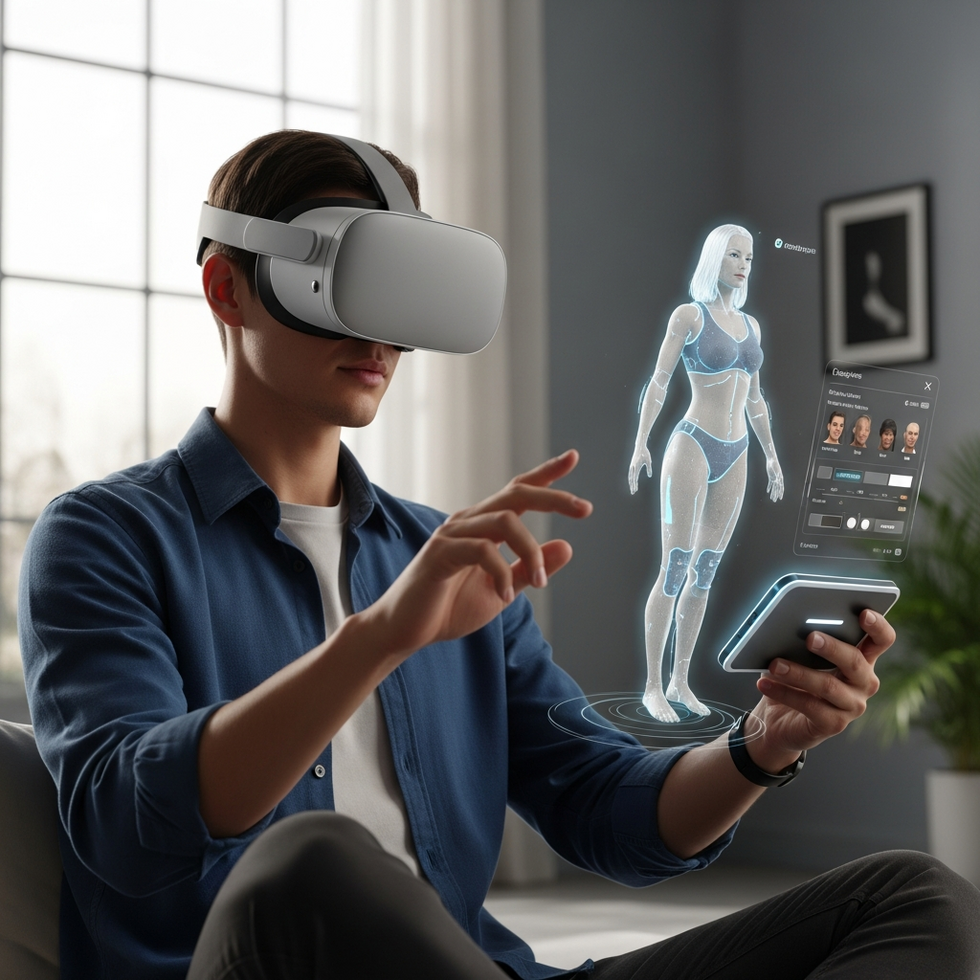
The Rise of Digital Body Customization and Manufacturing in 2026
By 2026, how people change their bodies is changing fast - tech leaps meet a culture embracing unique self-expressions. Instead of old-style beauty standards, new combos of tech and treatments shape bodies on a personal level. Digital platforms meet surgery in unexpected ways, letting each person sketch dreams online first. Out there, medical spots let customers shape appearances in virtual space before touching skin. Virtual experiences help predict results more closely than ever before. What we see now ties into a wider shift where people value uniqueness over traditional ideals of looks. Because of advances in both science and tech, folks can shape how they appear in ways that feel truly theirs. This shift isn’t just about appearance - it sparks debate on who should decide what’s acceptable, who gets access, and how altering bodies might affect minds. In the end, looks are less about following rules, more about writing new ones using tools few imagined existed. When home digital kits show up for small body changes, access spreads beyond clinics. This shift helps turn piercing or tattooing into something seen worldwide, not just in pros’ hands.
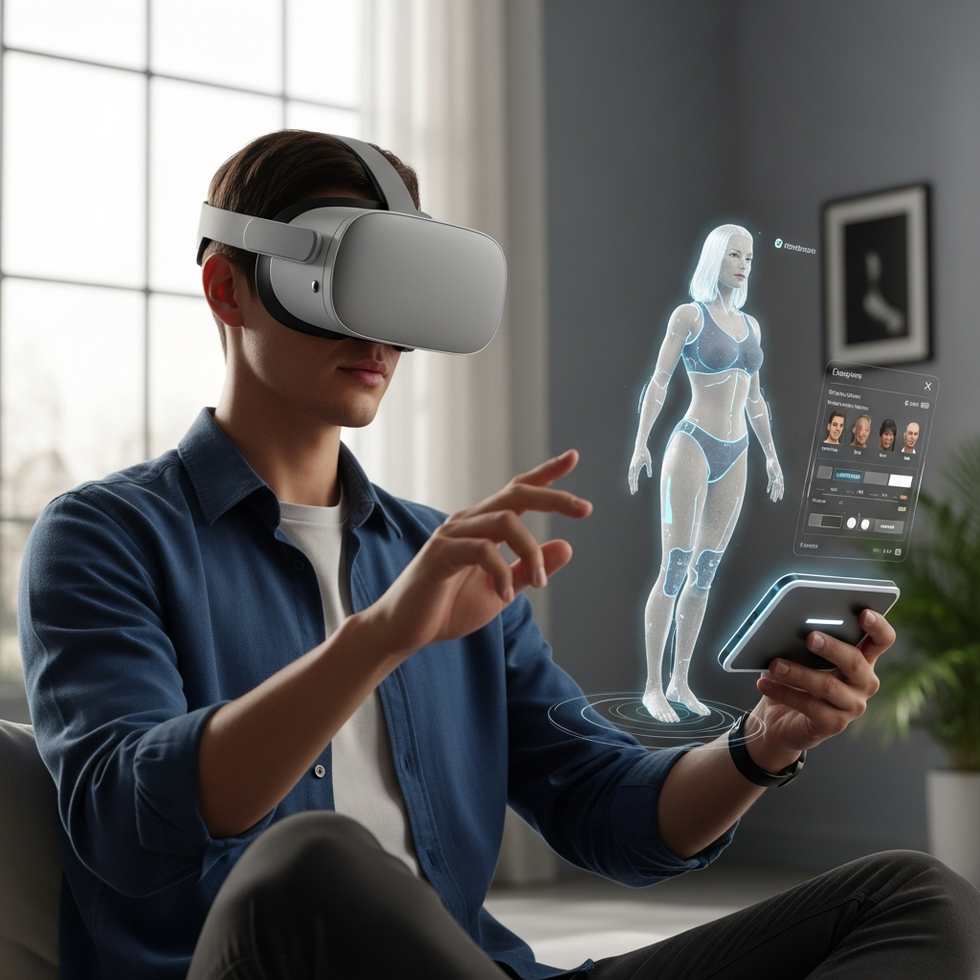
Innovative Procedures and Products Shaping the Modern Body
In 2026, new beauty treatments popped up everywhere - some even boost how your body works. Instead of old methods, doctors now use biofabrication to build lasting, tailored replacements for tissues and organs. These changes make enhancements feel smoother, less noticeable, yet effective. Lasers have gotten sharper; they do more with less heat or power. Tiny tools pulled from nanotech reshape skin in ways traditional methods cannot. Inside some devices, tiny sensors hum, tracking well-being while adjusting looks on their own. More people can join in making implants today because methods have become easier to reach. This shift stretches old limits on who gets skin tweaks. Some companies now sell tools letting folks change how they look - virtually or using living tissues - sometimes pairing smart advice from machines with custom paths forward. Life changes shape at a slower pace when new ways blend tech with personal touch. What counts as attractive now bends under pressure from real lives, not just ads or mirrors.
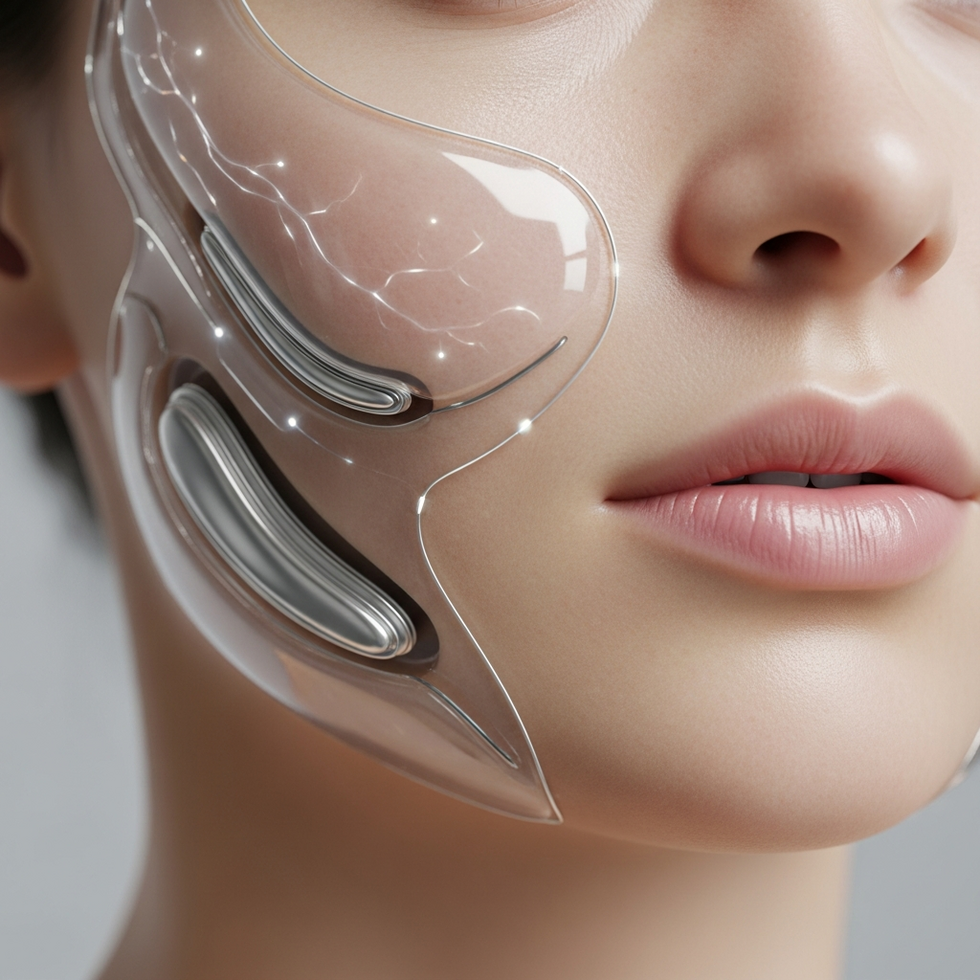
Cultural and Ethical Implications of the Body Manufacturing Boom
When people change their bodies through advanced methods, questions grow around right and wrong, social expectations, also how it shapes self-perception. Fast moves in tech for personal alteration spark worries about whether choices are truly voluntary, how identity holds up, even whether gaps between groups might widen. Some say profit-driven models push uneven results forward, where only the wealthy reach premium options or powerful online editing spaces. Still, some people think letting others change their body fits today’s values around personal freedom and choosing how to live. Arguments move into ethical territory, asking how much alteration should be restricted to protect shared norms or whether new forms of self-expression deserve space. With rules slowly matching technological leaps, focusing on emotional strain from feeling bad about one's shape and conforming to group expectations grows harder to ignore. What lies beneath the surface matters - how culture shapes choices needs careful thought when imagining where tattoos and piercing might go next.