The Real Reason Your Baby Closet Is Full Of Clothes They Will Never Wear

The Great Baby Clothing Hoax Nobody Talks About
I used to believe the lie. I thought buying a thirty-two dollar romper for my newborn was an investment in their future style. It was not. It was a donation to the landfill industry.
Here is the thing most parents ignore. Babies grow fast. They also destroy clothes faster than you can wash them. When we scroll through endless lists of thirty-nine stylish baby brands, we forget one critical detail.
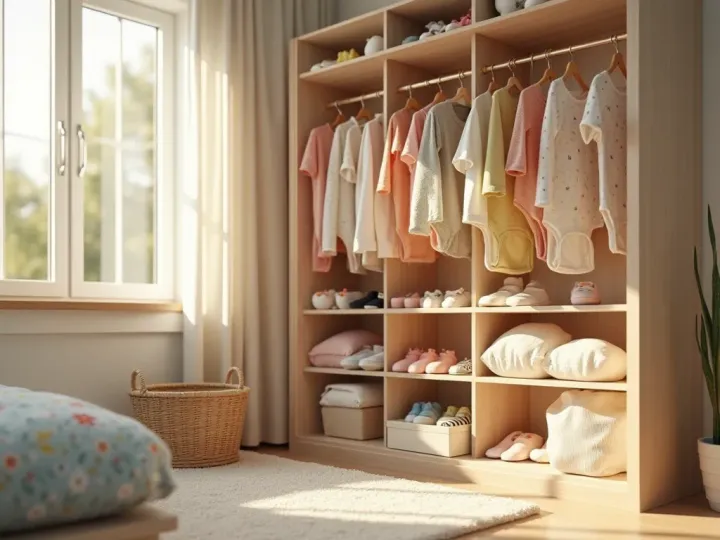
Most babies outgrow a size before they even wear it twice. I have seen closets bursting with brand new tags that will never see daylight again. Why do we keep falling for this?
The answer is simple. We are tricked by marketing that makes us feel like we need a specific outfit for every single moment of their tiny lives. But the truth hurts.
Why Size Charts Are Lying To You Right Now
Look at your closet. How many zero to three month outfits do you have? Probably too many. If you are curious about why those baby clothes size charts are wrong, pay attention.
Brands use idealized growth curves that ignore real life. A six month old might be huge. Or they might still fit into three-month sizes for weeks longer than expected.
I bought a set of designer rompers labeled for six to nine months. My baby was eight months old and could not even get their arms into the sleeves. It was frustrating.
The variance in toddler growth is massive. One month can mean the difference between a perfect fit and a garment that looks like a tent. We need to stop trusting labels blindly.
The Designer Trap And Why It Costs You More Than Money
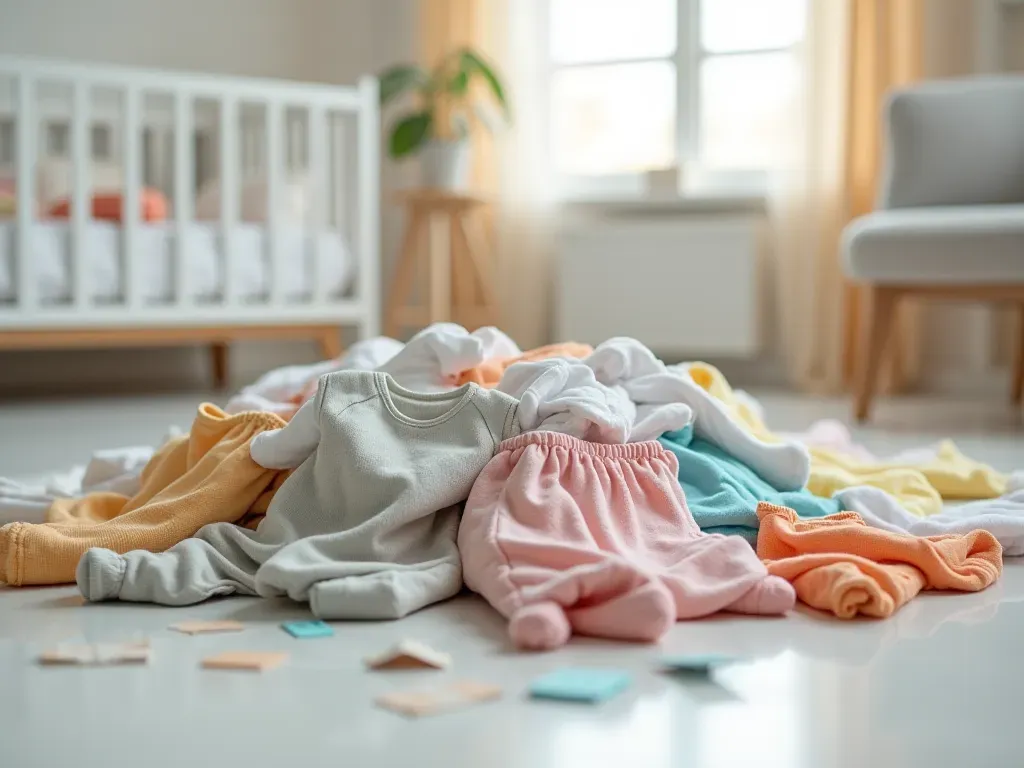
Let us talk about Dior Kids. A six hundred and fifty-six dollar gift set sounds luxurious until you realize your baby will likely spit up on it within hours of wearing it.
And then there is Gucci. Two hundred and seventy-five dollars for a logo set feels excessive when you consider the reality of diaper changes. The stain risk alone justifies buying something cheaper.
I am not saying you cannot buy luxury items. But ask yourself why you are doing it. Is it for your baby? Or is it for the Instagram photo?
Most parents I know feel pressured to show off the brand names. But your baby does not care about logos. They care about comfort and soft fabrics against their sensitive skin.
Smart Brands That Actually Respect Your Wallet And Planet
Pehr is a standout example. They use organic cotton and thoughtful designs without the insane markup. Their thirty-four dollar romper looks just as good on camera as any designer piece.
Hill House Home also deserves credit. Their convertible gown serves double duty as day clothes and night pajamas. That versatility is what modern parenting actually needs.
If you want something even more practical, check out Magnetic Me. The magnetic snaps make changing a breeze for tired parents at three in the morning. Function meets fashion here.
Zara Kids remains a solid option for trendy pieces that cost less than your coffee habit. Their tie-dye sets are cute and affordable enough to replace if they get ruined.
The Rise Of Eco-Friendly Fabrics That Feel Better Too
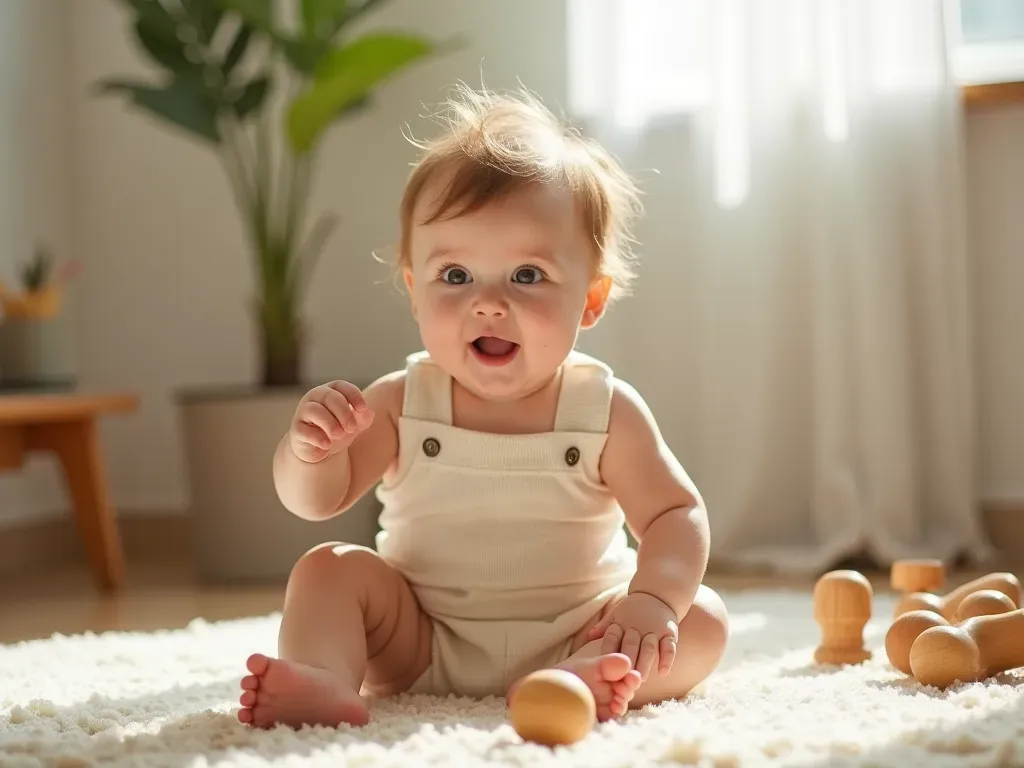
Organic cotton is not just a buzzword. It matters for your child's health and the environment. Brands like Monica Plus Andy source sustainably without charging an arm and a leg.
Bamboo blends from Hart Plus Land offer incredible softness. These materials breathe well and resist odors better than conventional cottons used by cheaper mass-market brands.
Quincy Mae uses certified organic cotton for their classic sleepers. You get durability and safety standards that give peace of mind to anxious new parents everywhere.
How To Spot Greenwashing In Baby Fashion Ads
Not every brand claiming to be green actually is. Look for certifications like GOTS or OEKO-TEX Standard One hundred before trusting vague terms like eco-friendly or natural.
Some companies use green colors in packaging to trick you. Do not fall for it. Read the fine print on fabric composition and manufacturing origins carefully every time.
Swimwear And Summer Styles That Actually Last Through Vacation
Summersalt offers matching ruffled one-pieces for moms and babies. The quality holds up against chlorine and sand much better than fast-fashion alternatives found online.
Minnow collaborations bring trendy prints without sacrificing durability. Their gingham bikinis are stylish enough for photos but tough enough for real beach play.
Andy Wawa dresses capture that summer vibe perfectly. The strawberry plaid pattern is iconic and the price point makes it easy to buy multiple sizes for growing toddlers.
The Hidden Cost Of Fast Fashion In Kids Wardrobes Revealed
Cheap clothes come with a high environmental price tag. Synthetic fibers shed microplastics into waterways every time you wash them. This affects ecosystems far beyond your home.
If you think buying ten dollar onesies saves money long term consider how often they lose shape after washing. Quality pieces last through hand-me-downs and resale markets.
OshKosh B'Gosh remains a staple for good reason. Their metallic floral sets are durable enough to be passed down through multiple siblings without falling apart completely.
Gerber provides basic essentials that work hard. You do not need designer labels for everyday wear when simple cotton sleepers get the job done reliably and affordably.
Why Unique Designs Often Fail In Real Life Scenarios
La Coqueta creates beautiful minimalist sets made in Spain. But at one hundred sixty-five dollars for cashmere you are paying for aesthetics not practicality for messy toddlers.
Bonpoint rompers look stunning in catalogs. In reality they are difficult to clean and maintain their pristine appearance after just one messy mealtime with pureed carrots.
Stella McCartney brings artistic prints to infant wear. Yet even these stylish pieces require delicate handling that busy parents simply do not have time for during daily routines.
Givenchy Kids offers floral prints that fade quickly under harsh washing conditions. You save nothing by buying expensive items if they cannot survive normal household laundering cycles.
How To Build A Capsule Wardrobe For Your Growing Toddler
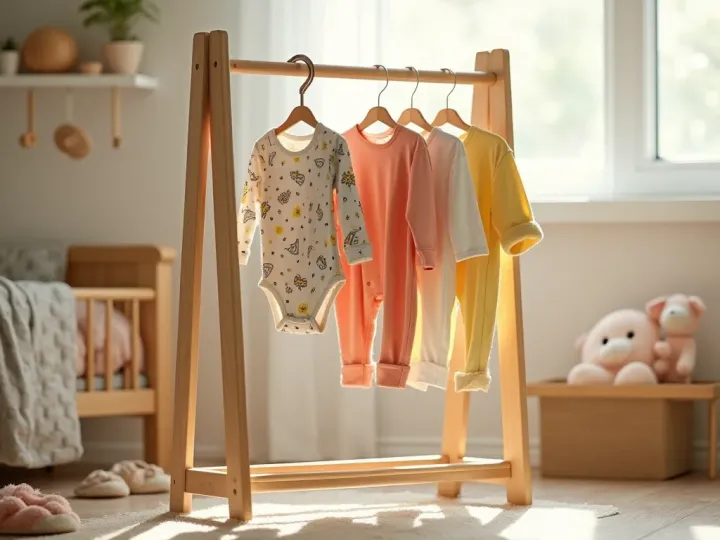
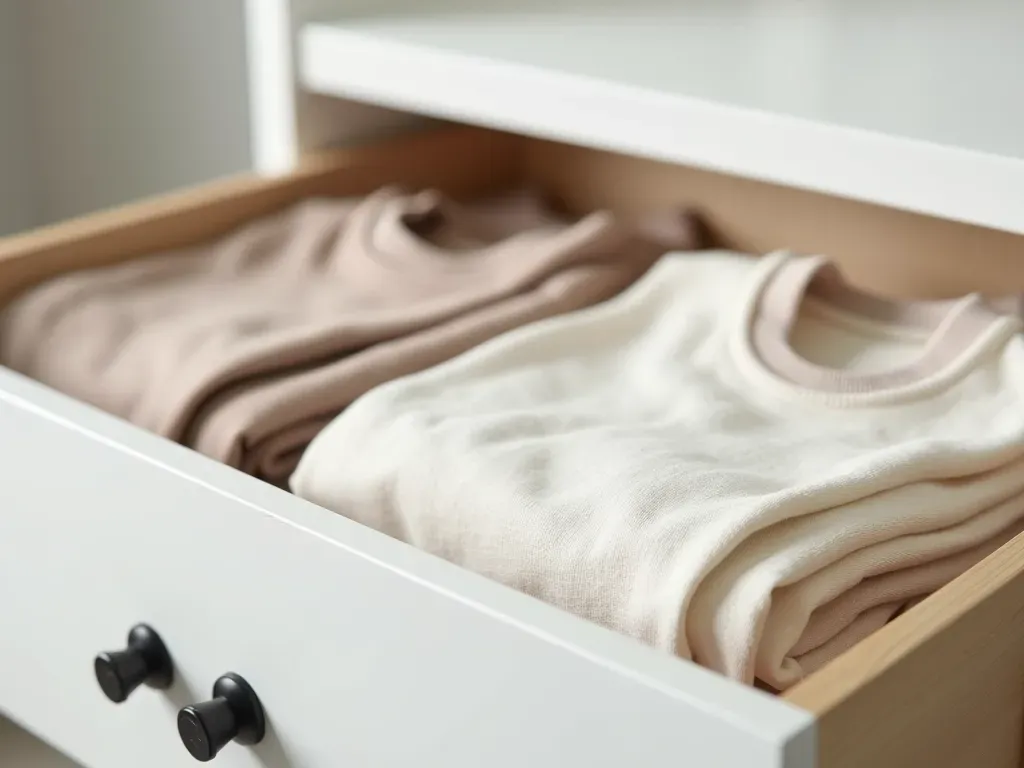
Focus on mix-and-match pieces that work together. Neutral tones with pops of color allow you to create dozens of outfits from just a few key items in your closet.
Sapling Child bodysuits serve as perfect base layers. Their soft organic cotton feels gentle against skin while providing versatile styling options for layering during cooler weather.
Mini Mori pajama sets double as loungewear around the house. Bamboo materials keep temperature regulated so you buy fewer seasonal transitions throughout changing months.
Jamie Kay cardigans add warmth without bulk. Their bear designs appeal to children while remaining functional outer layers that protect against drafts during indoor playtimes.
What Parents Really Need To Know Before Buying Anything Else
Stop chasing trends that vanish faster than your baby grows. Invest in quality staples from reputable brands known for durability and ethical production practices consistently.
Remember that your child will not remember what they wore. They will remember feeling comfortable and safe in clothes chosen with care rather than impulse buying decisions made online.
Check why your baby's wardrobe is probably overkill if you still doubt this approach works effectively long term.
Be smart about your purchases. Choose fewer items that truly fit well and last longer instead of filling shelves with useless garments destined for donation bins almost immediately.