The Evolving World of Kids' Clothing Emphasizing Comfort and Style
Modern Kids Clothing Merges Comfort with Fashion to Meet Parental Expectations
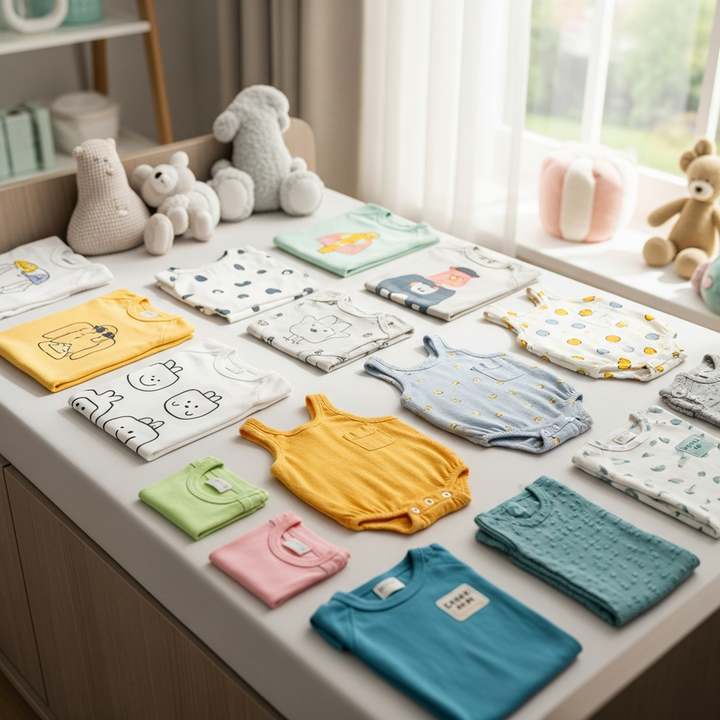
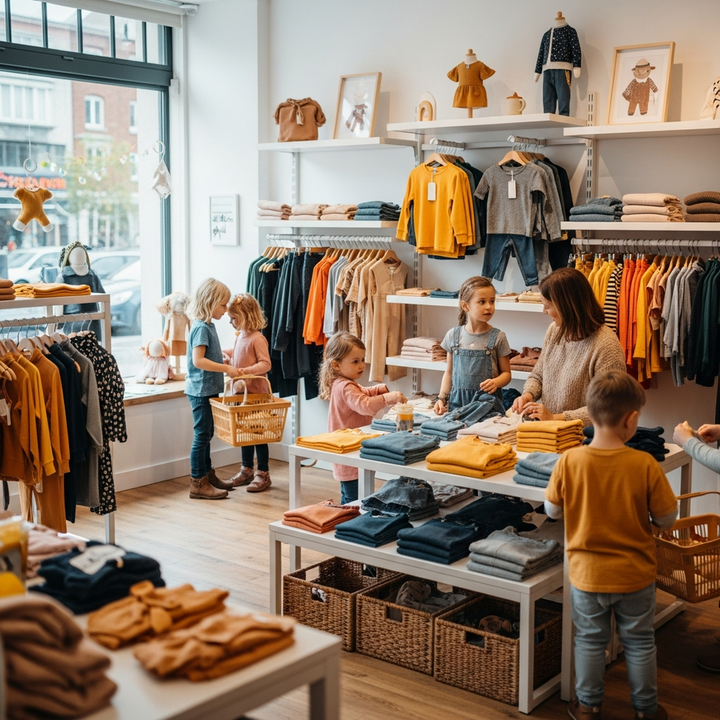
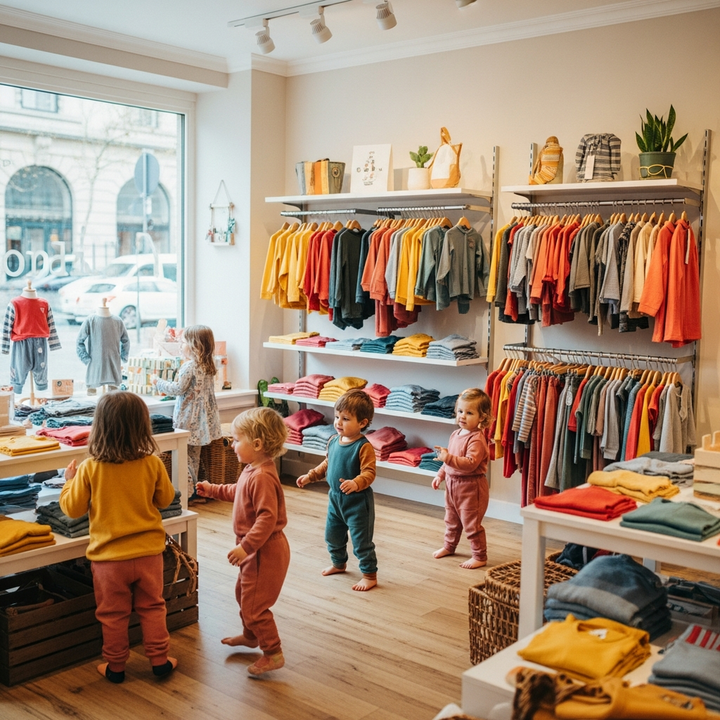
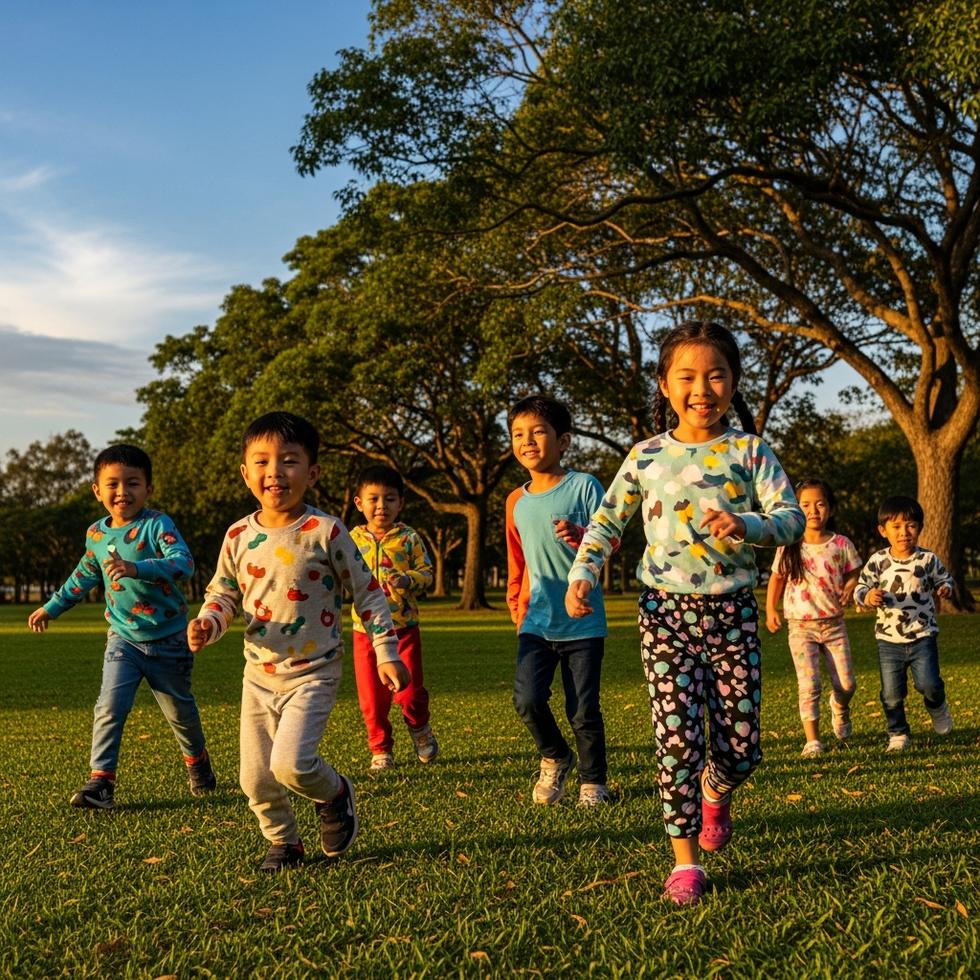
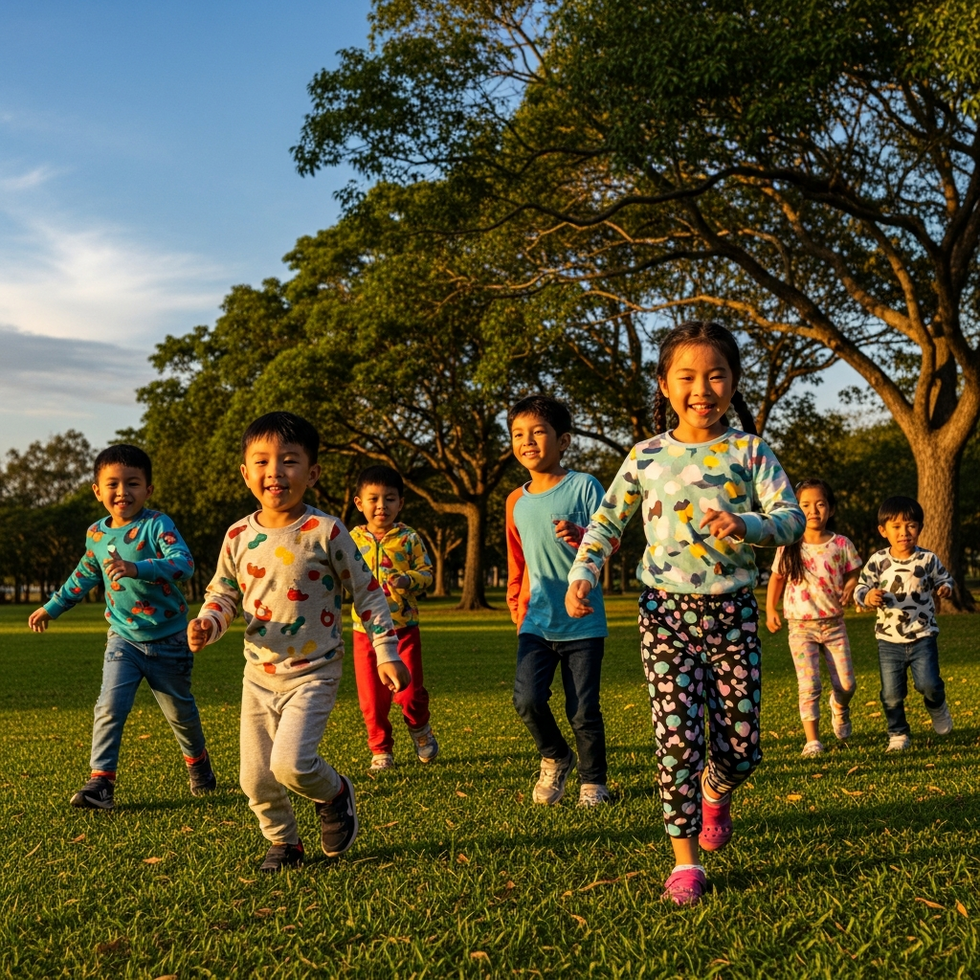
In recent years, the landscape of kids' clothing has experienced a significant transformation, reflecting broader societal trends towards comfort, sustainability, and individual style expression. Parents today are increasingly seeking clothing options that are not only appealing visually but also functional and comfortable enough for their children's mobility and growth. This shift has encouraged brands to innovate beyond traditional fashion, integrating high-quality, soft fabrics that breathe easy and promote ease of movement. Designers are also paying attention to the versatility of clothing pieces, creating collections that can seamlessly transition from playtime to more formal settings. As a result, kids' fashion is now embracing a more relaxed, playful, and personalized approach, which resonates well with both parents and kids alike. The emergence of brands like **Mini Boden**, **Tommy Hilfiger Kids**, and eco-focused labels is testament to this growing demand for outfit versatility and comfort, emphasizing high-quality fabrics, clever cuts, and vibrant colors. This changing consumer behavior not only influences manufacturing but also shifts the retail experience, with many stores adopting interactive, kid-friendly environments that invite exploration and allow children to try out different styles themselves. The focus on functional yet stylish kidwear reflects a broader cultural shift that values authenticity and fitness into everyday fashion. It also encourages manufacturers to innovate with sustainable, durable fabrics that withstand the wear and tear of lively childhoods while maintaining a gentle touch on young skin, further cementing the integrated trend of style and sustainability.
Sustainability in Kids Fashion Grows as Parents Seek Eco-Friendly Options
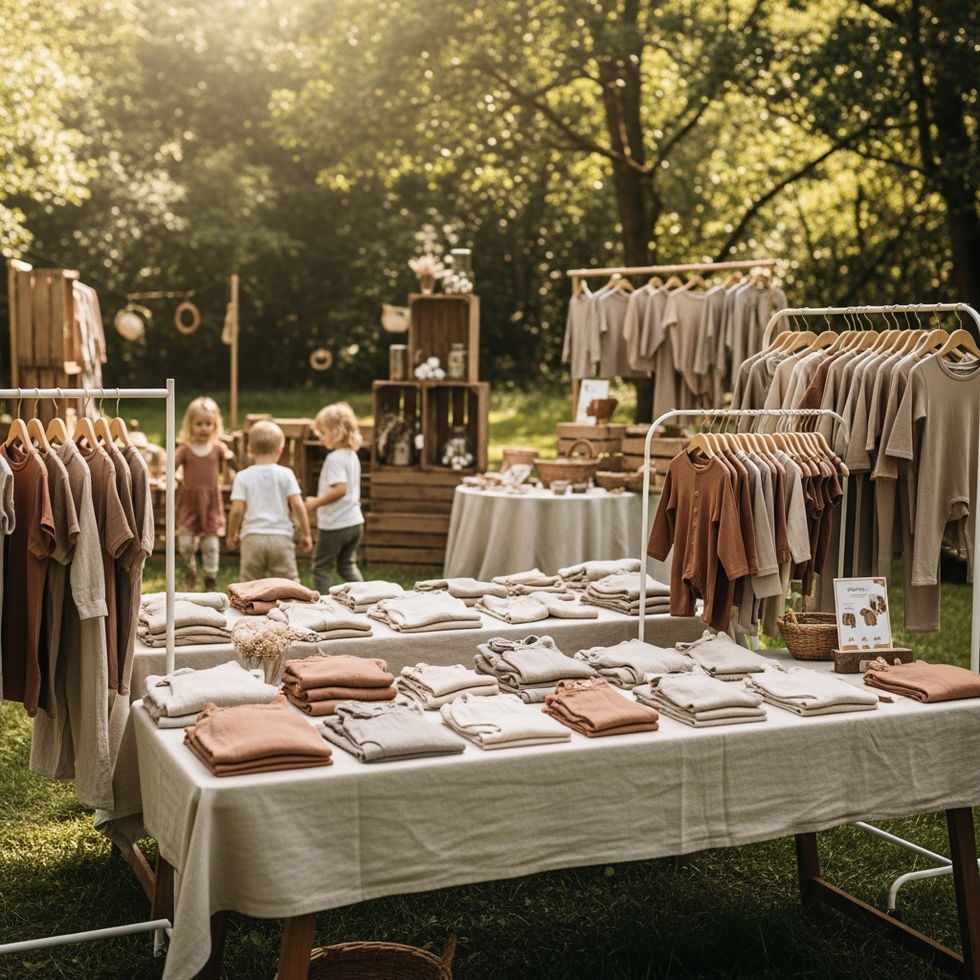
One of the most compelling trends shaping today's kids' clothing industry is the focus on sustainability. Climate change awareness and eco-conscious consumer choices are prompting brands to innovate with environmentally friendly materials and production processes. Organic cotton, bamboo fibers, and recycled polyester are increasingly common among children’s apparel lines, offering parents options that reduce environmental impact without compromising on quality or style. Brands like **Burt's Bees Baby** and **Frugi** are pioneering this movement, ensuring their collections emphasize ethical sourcing, minimal waste, and safe chemical use — factors crucial for young children’s sensitive skin. This movement isn't limited to just fabrics; it extends to packaging, shipping, and even the lifecycle of products, with many companies offering recycling or resale programs to extend the life of their clothing. Eco-friendly children’s fashion also intersects with social responsibility, as brands often partner with charitable organizations to ensure fair labor practices and community support. This comprehensive approach reassures parents, who are becoming more aware of how their purchasing decisions influence their children’s future and the planet’s health. Demand for sustainable kids clothing is projected to grow exponentially, and as technological innovations continue, we can expect even more eco-friendly options to become mainstream, making green choices easier and more attractive for families worldwide.
Innovations and Trends Shaping the Future of Kids Clothing Design
The future of children's fashion is marked by exciting innovations that combine technology, creativity, and a keen eye on sustainability. One noticeable trend is the use of smart fabrics that regulate temperature, resist stains, or are antibacterial—features that add practicality for busy parents and active kids alike. For instance, brands are integrating moisture-wicking materials, which keep children comfortable during outdoor play, and stain-resistant textiles that make cleanup easier—an invaluable feature for parents juggling hectic schedules. Additionally, design trends favor multifunctional clothing that can be layered or adjusted as children grow, thus extending the lifespan of each piece. Cultural diversity and self-expression are also prominent factors, with collections inspired by different regions and art styles, encouraging children to embrace individuality from a young age. The rise of gender-neutral clothing lines further broadens options, providing inclusive styles that cater to personal preference rather than traditional gender norms. Technological innovations combined with ethical and ecological considerations are signaling a new era in children’s fashion, where practicality and aesthetics are no longer mutually exclusive but part of a holistic approach to style that meets the needs of modern families.