The Evolving World of Kids Clothing and How It Shapes Future Trends
The Growing Importance of Sustainability in Kids Clothing
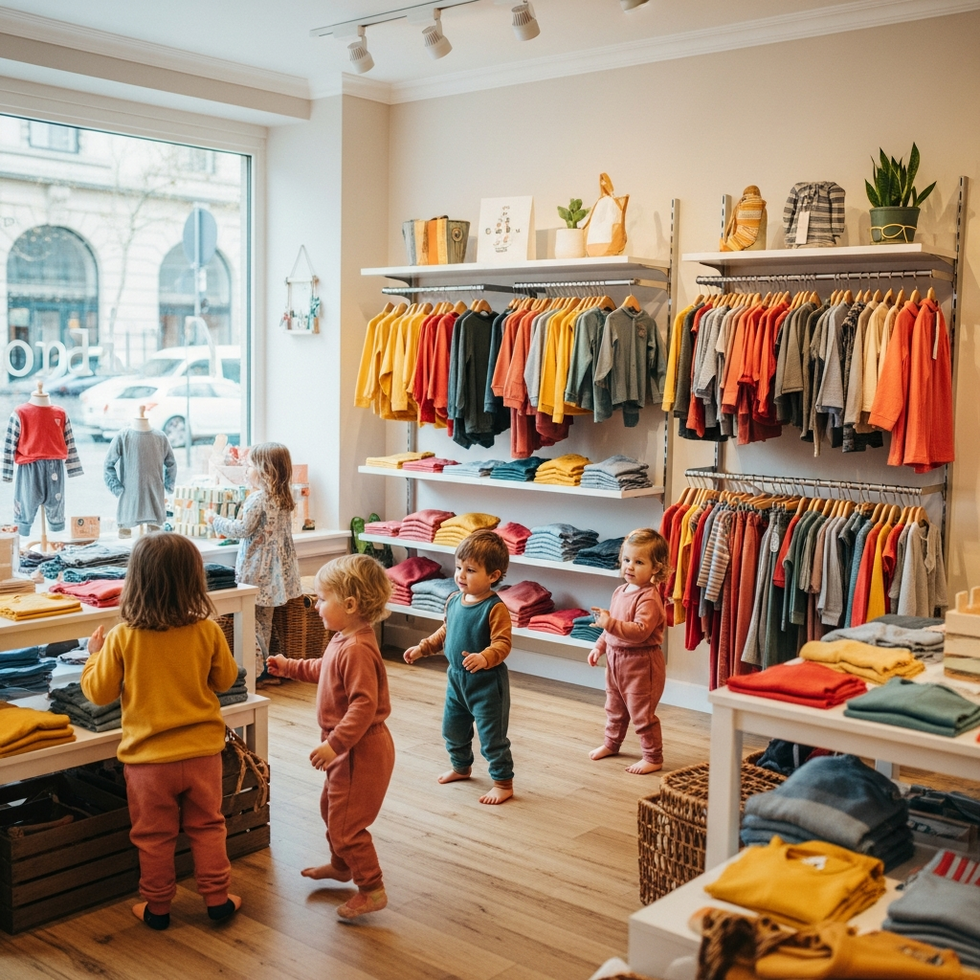
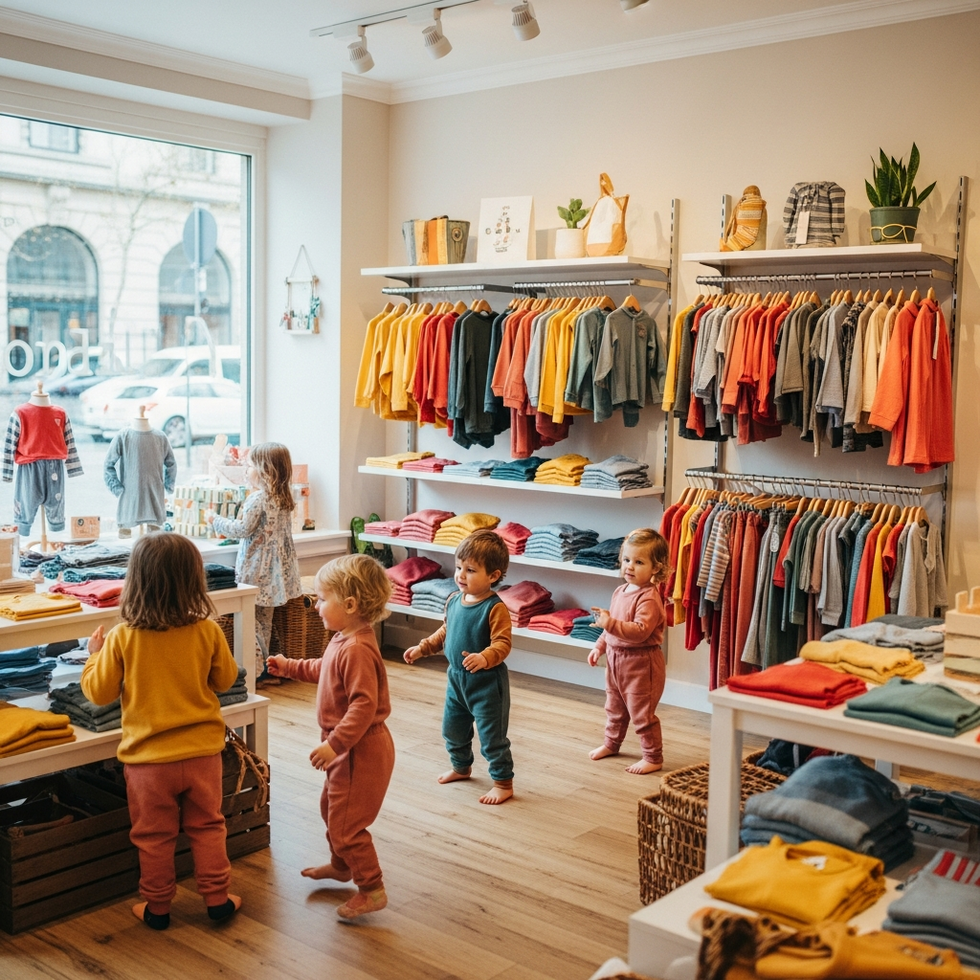
Lately, sustainability in children's clothing has drawn sharper attention. Concerned moms and dads now question how kids’ garments affect nature. Because of this shift, interest in green fibers and fairer workrooms grew fast. Now you see organic cotton tee after tee hitting shelves. Some lines now build outfits using old material pulled from waste streams. Long gone are the days when green choices were rare. Today, looking after the planet seems built right into each label’s mindsets. Change begins when people realize kids build the world they'll enter. Those little ones need clothes too - simple ones that last. Brands such as Boden and Mini Rodini design pieces meant to stay, not toss after one wear. Style stays sharp while choices shift toward lasting materials. Worry about trash from cheap garments grows louder each season. Safety matters just as much - like how synthetic fabrics react with skin over time. Parents now pay closer attention to what their children put on every day. Sustainability stops being unusual once daily habits start reflecting real concerns.
Innovative Designs with Comfort and Functionality in Mind
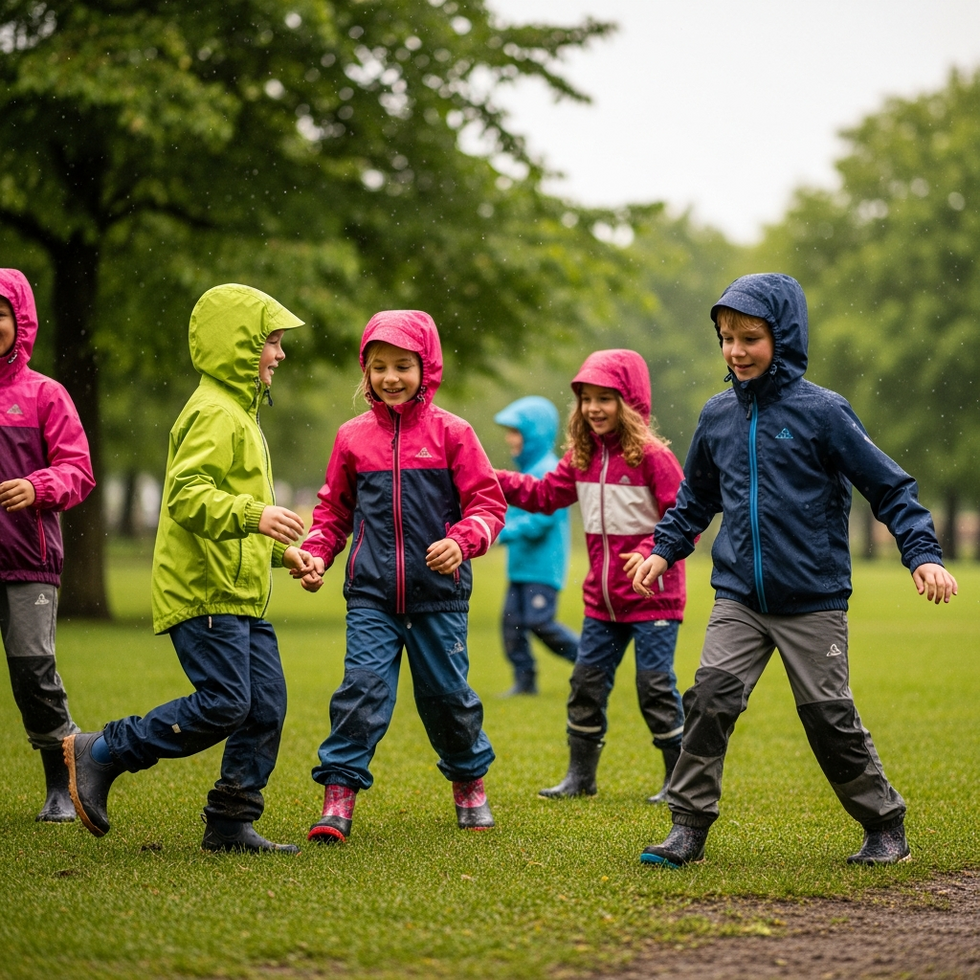
Nowadays, kids’ clothes are shifting thanks to designers who care about comfort, letting kids move freely while still looking good. Instead of sticking to plain shirts and rigid pants, many adults now pick items meant to handle different tasks - from playtime to rain. You see things like cuffs you can stretch, coats that flip sides like puzzles, or fabrics that block sun rays without extra effort. These small changes matter because grown-ups want functionality without losing personality. Out front, H&M and Zara toss in stuff like quick-drying threads and surfaces that shrug off spills - fitting for kids who never stop. Style doesn’t have to hurt; soft weaves, hidden seams, and gentle materials keep little ones calm while looking sharp. Comfort isn’t just nice - it’s non-negotiable, shaping how clothes hit the market each season.
The Rise of Customization and Personal Expression in Kids Fashion
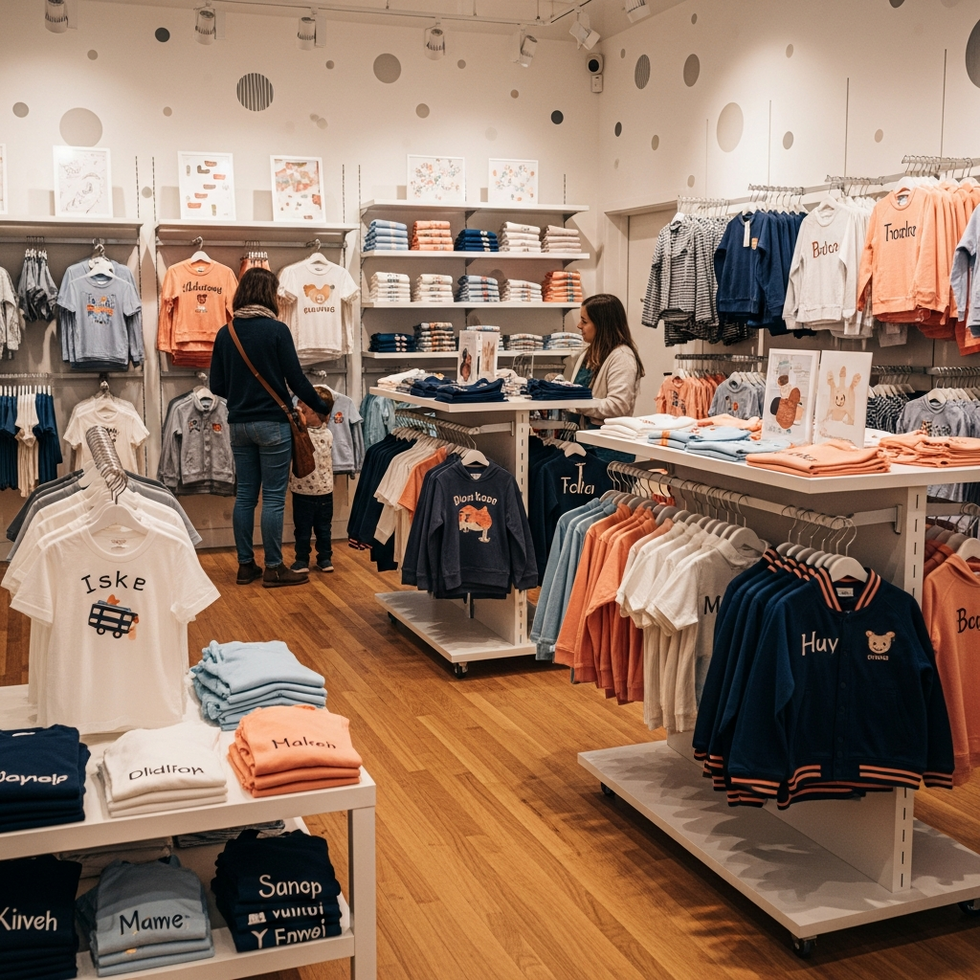
One trend standing out in kids’ clothes? More focus on individuality and how they choose to dress. Options such as custom names stitched in, bold designs, or combining separate items have gained attention. Families - especially children - are drawn to these details that reflect who they are beyond usual styles. Brands including Carter's and Mini Mioche include tailored pieces that match personal flair without drifting from current fashion directions. What stands out fits neatly beside how kids today are growing more bold and personal. Because tailored garments might spark real excitement around dressing up, little ones often feel stronger about themselves. This kind of mindset tends to nudge caregivers toward smarter buying choices - opting for solid, long-lasting items instead of piles of cheap stuff. When pieces can be shaped just right, families often see value in spending less often on items built to endure.
The Future of Kids Clothing Lies in Sustainability and Technology Integration
What lies ahead shows kids’ clothing shifting because of better sustainable tech and smart fabrics. Biodegradable materials, dyeing without water, sensors tucked into clothing to track movement and well-being - these steps quietly reshape how children dress. Meanwhile, companies test digital systems where families can visualize and adjust outfits online prior to buying, cutting down excess and making choices feel more fun. Out here, tech and green living walk hand in hand, making daily routines smoother while sparking interest. When children spend time online or explore new styles, tastes tend to lean toward garments that blend nature-friendly methods with smart design elements. That mix could quietly reshape how young clothing evolves over time.