The Evolution of Kids Clothing Fashion and Its Impact on Modern Parenting
Understanding the Growing Influence of Fashion on Kids From a Young Age
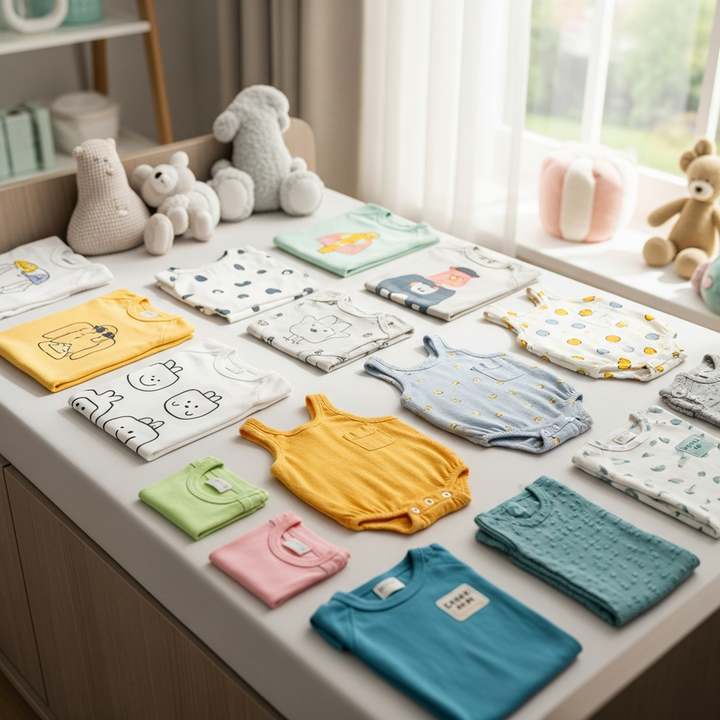
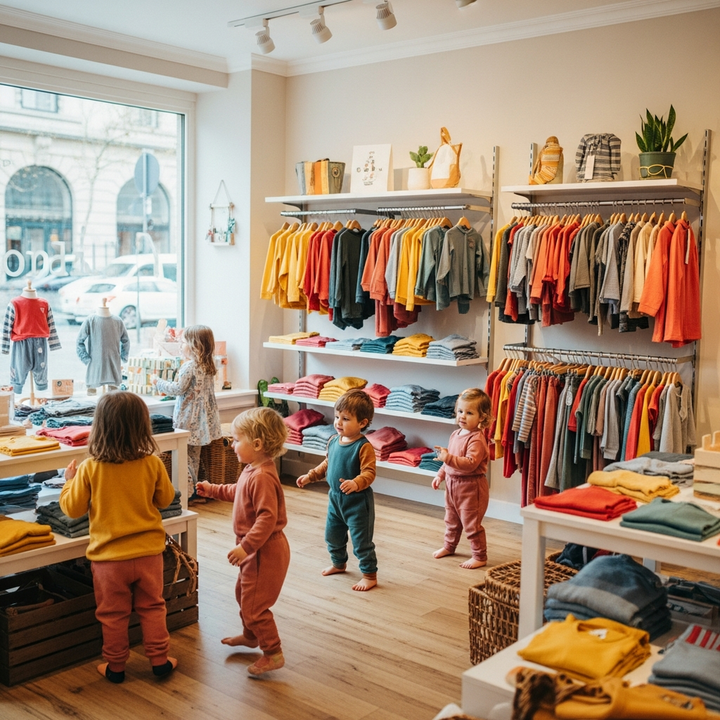
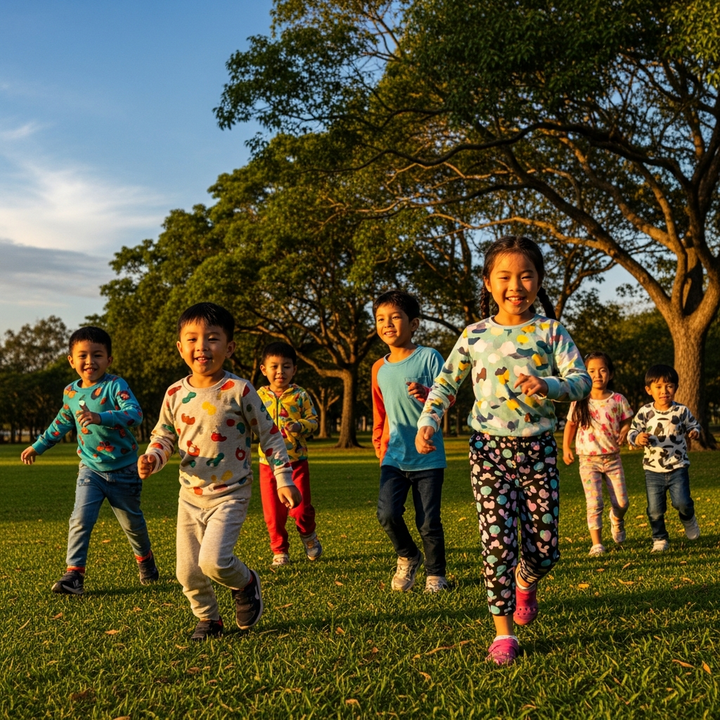
Lately, what kids wear has changed a lot - thanks to new ideas in fashion, social media trends, along with what parents want. These young ones aren’t merely dressed by others; they now help shape looks, mixing old rules about how children should dress. Seeing kids as real fashion thinkers, companies make bolder, brighter, useful outfits meant for both little ones and grown-ups alike, balancing ease and coolness. Take kids’ clothes made from green materials, for example. Families who care about nature now often pick those items - signaling a change in how kids dress before they’re old enough to know why. Looking fine matters, yet so does doing the right thing when choosing outfits. Little ones start noticing how they appear and what others think around age ten or eleven. Designers notice too, adjusting lines with boy-and-girl-free sets, fun patterns you can mix, and clothes shaped by child choice - helping kids express themselves while being part of something wider. Looking back shows how clothes for children now shape part of growing up, self-image, even learning paths - giving quiet clues about where youth fashion might head. Because adults raising kids care more about style and value, brands adjust fast: introducing digital try-ons, tailored tips for dressing kids, turning everyday playwear into something both functional and fashionable.
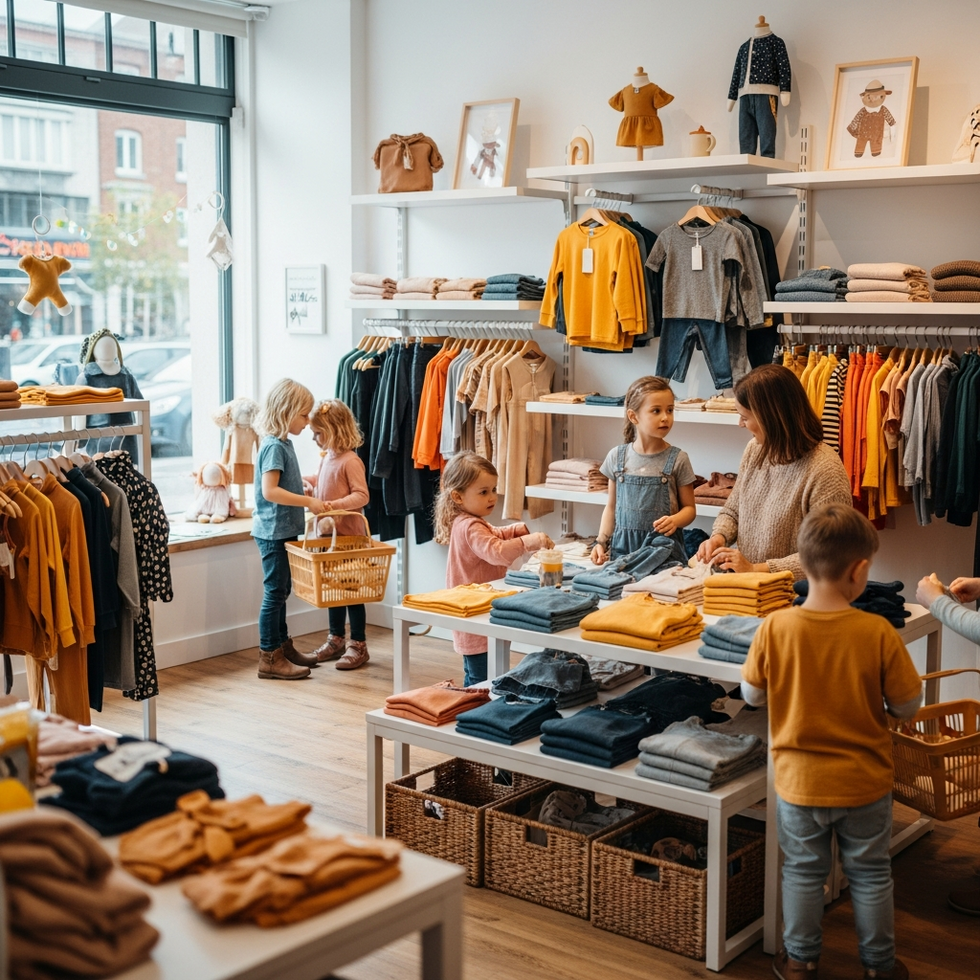
Innovative Designs and Sustainable Practices Shaping the Future of Kids Clothing
Out ahead, kids’ clothes are shifting fast thanks to fresh ideas. Designers today lean heavily on eco-friendly fabrics - think reused plastics, softwoods from bamboo, or cotton grown without chemicals. Behind this turn lies something deeper: grown-ups want what feels right for their little ones. Not just fit or look matters anymore; it has to be kind to skin, mind, and planet too. Choices now mirror real priorities - care, care again, and doing better while dressing small humans. Take Patagonia Kids or Mini Rodini - they lead by building sustainability into every part of how they make things, starting in remote supply regions and moving through production lines. Design here does more than catch an eye; it leans on toughness, versatility, and low-maintenance handling - something young kids demanding anyway. Now thinkers test woven tech with built-in cooling, dry-fast panels, even shift in real-time heat needs - matching different climates and play intensity without extra gear. Now think about outfits built with changeable tech pieces - they’re starting to show up everywhere, bringing playfulness along with practical value. With these shifts comes a fresher kind of child dressing: lively, thoughtful, tied to well-being. That small revolution hints at deeper patterns unfolding behind the scenes, quietly altering both current trends and long-term directions in children's apparel.
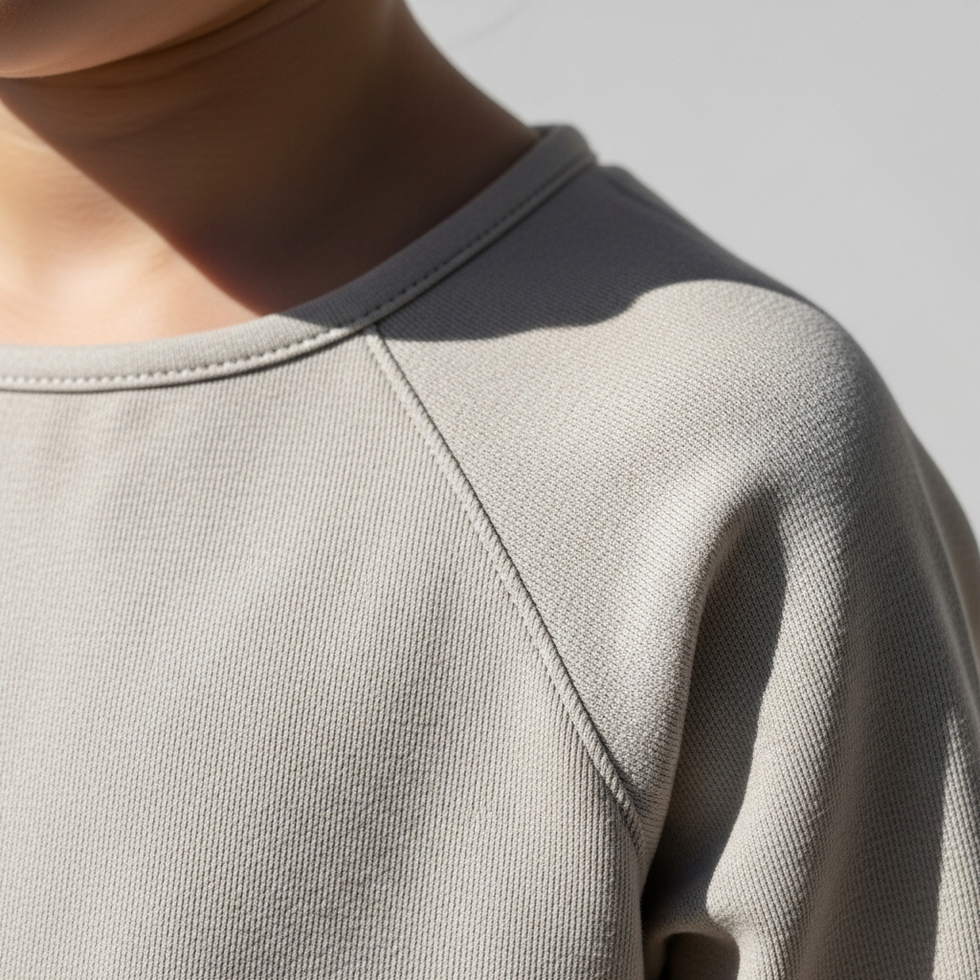
How Parenting Choices are Shaping Trends in Kids Fashion Industry
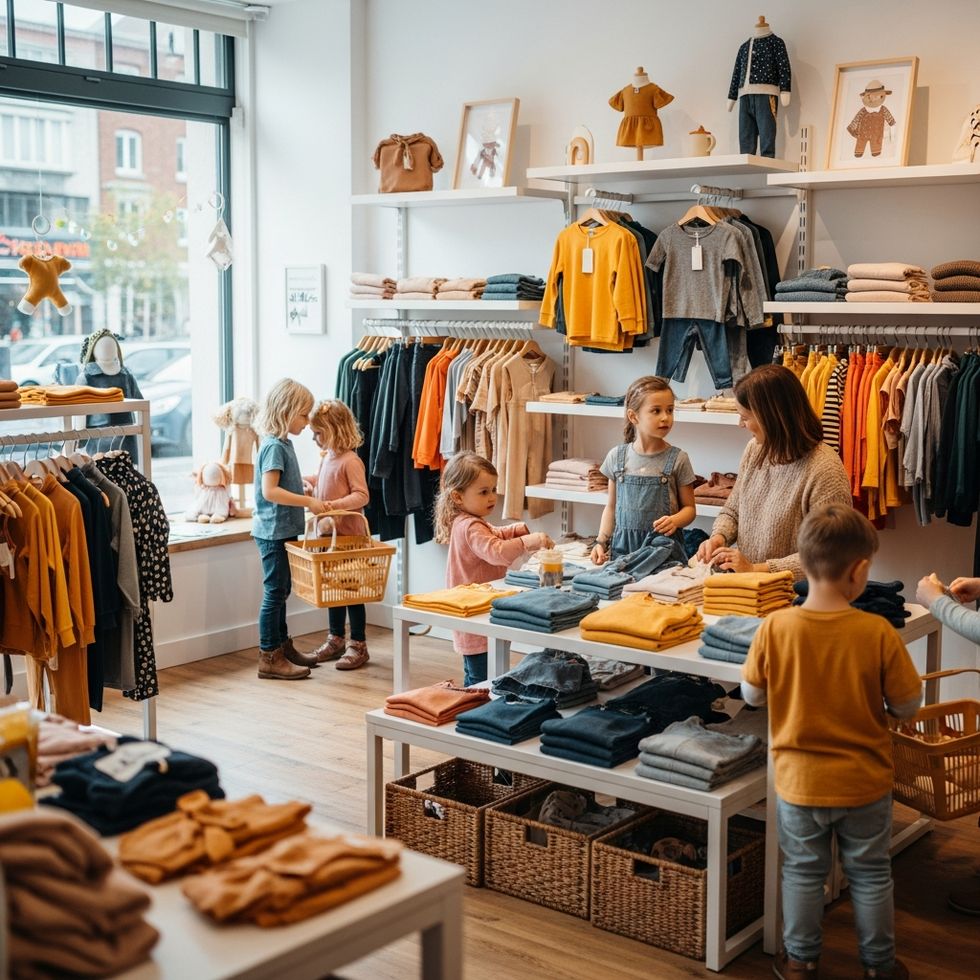
What parents choose helps steer how kids’ clothes evolve now. Today’s moms and dads tend to think carefully before deciding, wanting outfits safe, soft, warm, and kind to the planet. Look closer - organic fabrics sell more, outfits without gender labels gain attention, pieces meant to last through year or event become common. These picks matter because they ask less from time, money, nature down the line. Still, more parents now look for brands that openly support fair and honest production methods. Because of this shift, businesses find pressure to reveal where goods come from. Platforms online let caregivers quickly pass along opinions about what works. This shared experience quietly shapes which items gain wider approval. Clothing built for real days - not photo shoots - often fits how families actually live. What stands out now is how safety in kids’ clothing keeps growing more serious. Things such as dyes free from harm, sturdy fabric seams, and outfits that fit better across ages show up regularly across well-known lines. It looks like what parents care about - like wanting their children to thrive - quietly shapes the clothes they dress them in. This shift hints at deeper changes, where thinking carefully about young lives shapes even wardrobe decisions.