Innovative Numerical Formulas Transform Fashion Industry Approach

Emergence of Advanced Mathematical Formulas in Fashion Design
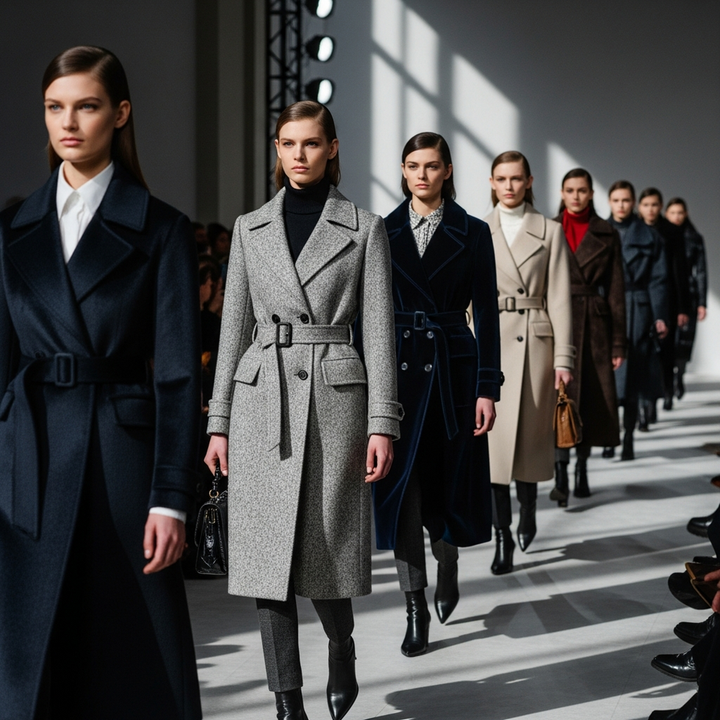
A fresh wave of progress in number crunching methods is quietly transforming how fashion works. Long seen as a creative craft, drawing mostly on gut feeling and paper sketches, it frequently struggled to grow or adapt easily. Yet during recent years, scientists alongside practitioners built sharper tools - mathematical frameworks - that capture human shapes, cloth responses, and visual balance without error. These tools hum beneath designs you see every day. With these equations, creators make clothes that hug how people actually sit, stand, and move - less trash, happier buyers. Because machines now blend with number crunching, companies design garments faster than before, making same-order shipping possible while gentler on nature. Leaning into next-level math isn’t just shiny tools - it marks real change in fashion, fitting many shapes and tastes better than old methods ever could, even for groups once left behind by big production runs.

What stands out is how much better tailored items become when old number-crunching methods shift toward new ones. Using sharper data and deeper math, clothing lines start making pieces that hug exact human shapes - no endless try-ons needed. Fit gets smoother, not just on looks but also by cutting down piles of unwanted gear piling up in stores across the world. Comfort grows quietly alongside these changes, shaped differently each time someone steps into a mirror-linked setup. Now imagine testing cloth like it's alive. When simulations work right, creators see what fabrics do in real situations - this helps pick stronger, greener options. Because of these advances, regions focusing on lasting practices see fewer leftover items, faster manufacturing runs, along with lighter environmental impact. Take numbers guiding cloth design - they make clothes hold form and stay vivid much longer, which quietly extends life of each piece while encouraging mindful buying.

Future Prospects of Mathematical Formulas in Fashion Manufacturing
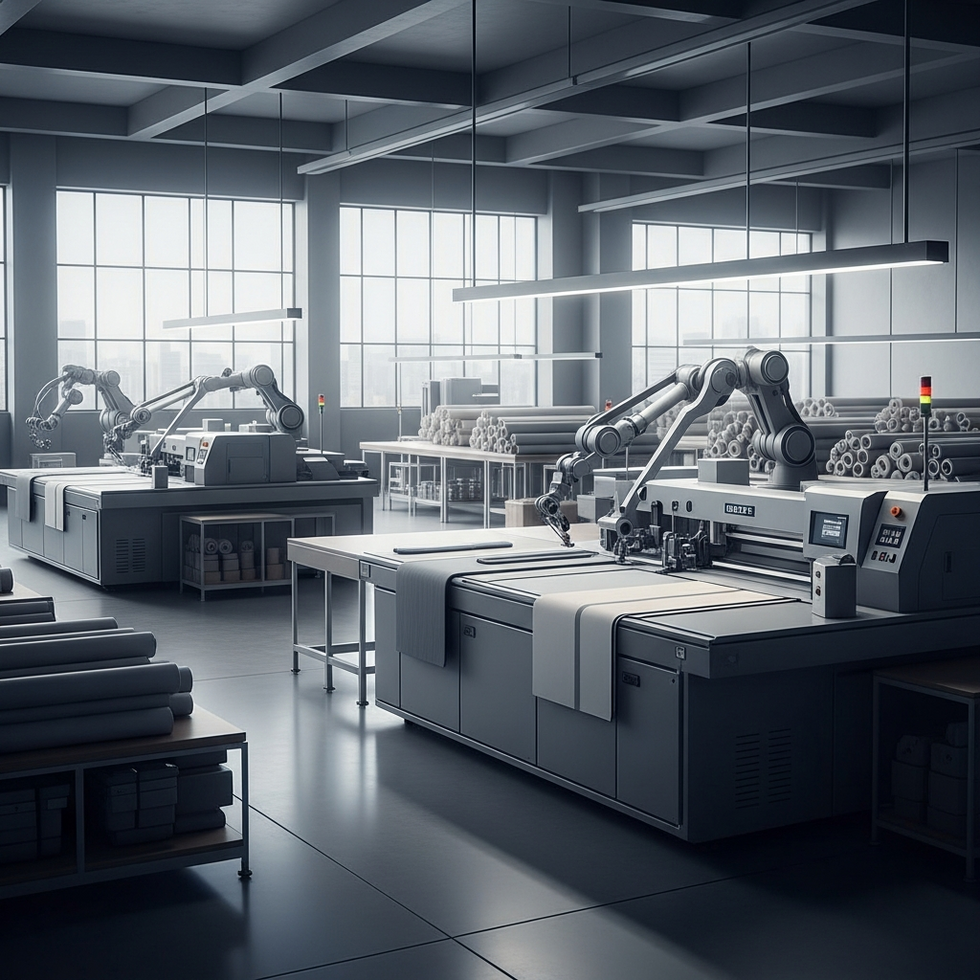
Ahead, mixing tough math rules into everyday clothes making may push change faster. Firms using 3D printing alongside machine-run stitching often check if new number patterns help shape garments better and save materials like never before. Instead of sewing real models, digital versions made by code-based systems could mean fewer physical trials. Less waste, lower expenses - follow naturally when digital replaces fabric. What lies ahead also holds adaptive formulas that grow smarter over years, possibly shaping clothes instantly - tailored to what people like and how their bodies change. Machine learning might make such systems sharper, building designs without waiting weeks. When number-crunching tools get finer, broader, easier to use, even new names in fashion stand a fair chance. Custom detail once reserved for big names could spread through smarter math models. Sustainability gains ground when personal fit replaces mass production mindsets.